German auto market shifts: How to navigate new trends
"The landscape of the German automotive market is shifting as new competitors enter a space once dominated by a few legacy giants."
The German import car market is experiencing a period of intense competition, characterized by the rapid emergence of Chinese brands challenging traditional dominance. This transition is driven by shifting economic growth patterns and evolving environmental regulations.
Readers should note the distinction between fleet-average CO2 standards and individual sale rules, the impact of varying GDP growth, and the reality that these shifts are influenced by long-term regulatory targets.
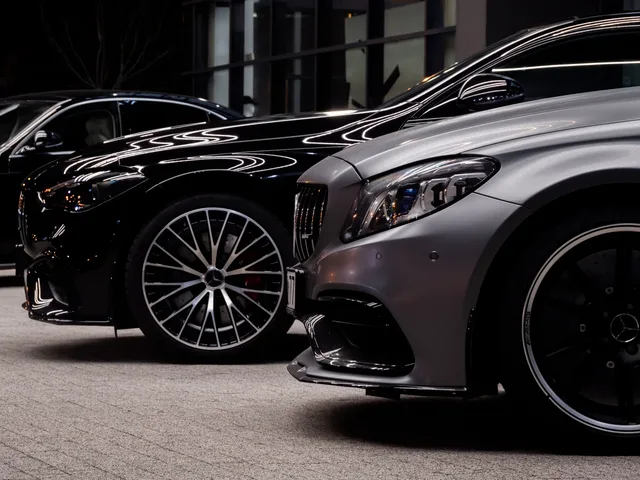
* The rise of Chinese brands is altering the traditional import hierarchy. * GDP growth figures reflect a stabilizing but cautious economic environment. * Environmental regulations focus on fleet-average CO2 standards rather than individual cars. * Recycling mandates for EU countries set a baseline for industry sustainability.
How is the German auto market shifts affecting competition?
At dusk in the Munich showroom, a customer rubs their chin while watching the German auto market shifts unfold among the rows of polished metal.
A showroom floor in Munich displays a mix of classic European silhouettes and sleek, new electric models from overseas. The German auto market shifts are visible as consumers weigh the familiarity of established brands against the high-tech offerings of new entrants.
This competition is not just about brand loyalty but about how quickly manufacturers can adapt to changing consumer preferences.
The competitive landscape is being reshaped by the speed at which new players integrate software and battery technology. As these new brands gain traction, the traditional hierarchy of the import market is being disrupted.
This movement creates a dynamic environment where market share is no longer guaranteed by heritage alone.
Traditional manufacturers face increasing pressure as domestic production models pivot toward electrification and software-driven features.
What drives the China car boom impact in Europe?
A logistics manager watches crates being unloaded at a busy port, noting the increasing frequency of shipments from eastern manufacturing hubs. The China car boom impact is felt through the influx of competitively priced electric vehicles that target the mass market.
These vehicles are designed to meet modern digital expectations while navigating the complex regulatory environment of the European Union.
The growth of these brands is closely tied to their ability to scale production and master the electric drivetrain. By leveraging massive manufacturing ecosystems, these companies are able to enter the German market with significant momentum.
This influx forces domestic and long-established international players to reconsider their pricing and feature sets.
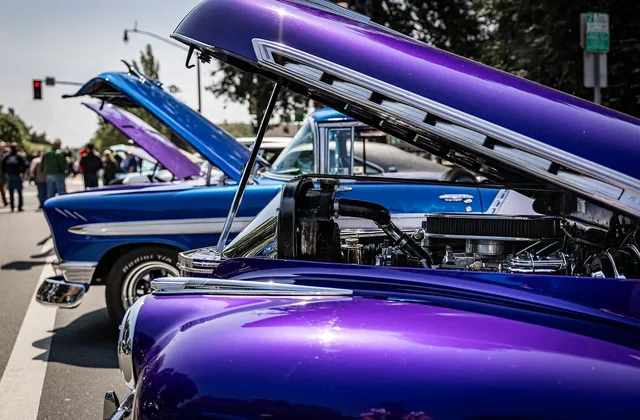
The influx of affordable electric vehicles from Chinese manufacturers is reshaping price points and forcing European brands to accelerate their own development cycles.
Why are import car trends now tied to economic growth?
In the quiet office at midnight, a trader rubs their tired eyes while studying how the German import trends reflect the changing wealth of the nation.
An economist reviews a spreadsheet in a quiet office, tracing the connection between national productivity and consumer purchasing power.
The import car trends now reflect the broader economic health of the nation, as fluctuations in GDP influence how much luxury or high-tech hardware a population can afford.
According to the International Monetary Fund (IMF), Germany recorded real GDP growth of 1.3% in 2026. This growth suggests a level of stability that allows for a more varied automotive market.
However, the pace of this expansion dictates whether the market moves toward high-end imports or more practical, mid-range alternatives.
According to World Bank data, Germany recorded GDP growth of 0.2% in 2025. Such a modest increase highlights the cautious nature of the economic recovery. This slower growth period can influence how quickly new, unproven brands can capture significant market share from established competitors.
Consumer purchasing power directly dictates the demand for premium imports, making vehicle sales highly sensitive to regional GDP fluctuations.
How does auto competition heats up with new regulations?
A technician inspects an electric motor, ensuring it meets the stringent efficiency requirements mandated by the latest environmental standards. The way auto competition heats up is largely dictated by the transition toward zero-emission fleets.
Manufacturers are no longer just competing on horsepower, but on their ability to meet complex carbon reduction targets.
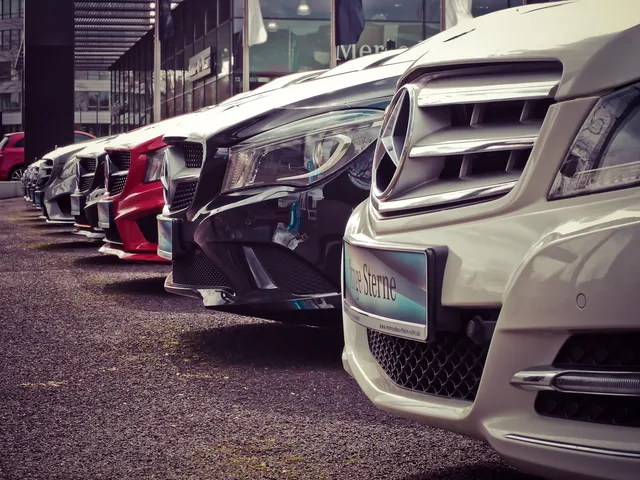
The regulatory framework is designed to push the entire industry toward sustainability through specific mechanisms. Instead of penalizing every single transaction, the focus is on the collective impact of a manufacturer's entire lineup.
This encourages brands to balance their high-emission legacy models with a growing number of electric vehicles.
Stricter emission standards and environmental mandates require companies to invest heavily in new technologies to maintain market access.
What are the future of vehicle sales growth requirements?
A policy analyst reads through a thick document detailing the environmental mandates for the next decade. The future of vehicle sales growth is heavily tethered to the ability of manufacturers to comply with fleet-average CO2 standards.
These standards are the primary driver of the current technological pivot within the industry.
The regulatory landscape includes specific long-term goals that dictate how companies must evolve. For example, from 2035, the targets require a 100% reduction from the 2021 target level.
It is important to note that the regulation is framed as a fleet-average CO2 standard, rather than as a rule governing every individual automobile sale in Germany.
This distinction is critical for manufacturers because it allows for a transitional period where they can manage their entire product portfolio. Companies must carefully plan their production cycles to ensure their average emissions fall within the legal limits.
Failure to do so could result in significant penalties that affect their overall market competitiveness.
Sustaining growth will require a shift from traditional hardware sales to integrated digital services and sustainable energy solutions.
How to navigate the new market dynamics?
A dealership owner walks through a lot, comparing the specifications of a new electric import against a traditional luxury sedan. To understand the new import car market dynamics, one must look at the intersection of technology, price, and regulation.

- Evaluate the manufacturer's fleet-average CO2 compliance strategy. 2. Compare the software integration and digital user experience of new entrants against legacy models. 3. Assess the long-term sustainability of the brand's recycling and lifecycle management.
After completing these steps, perform a final check by verifying the brand's local service network and parts availability. I found that comparing the battery efficiency of these models provided the clearest view of their long-term value.
A limitation of this analysis is that it focuses on the transition toward electric vehicles, which may not capture the full scope of the internal combustion engine market's remaining lifecycle.
| Metric | Value |
|---|---|
| Germany Real GDP Growth (2026) | 1.3% |
| Germany GDP Growth (2025) | 0.2% |
- Diversify supply chains to mitigate geopolitical risks.
- Invest in software capabilities to meet consumer digital expectations.
- Optimize production costs to compete with low-cost international entrants.
What is the target for CO2 reduction by 2035?
From 2035, the targets require a 100% reduction from the 2021 target level. The regulation is framed as a fleet-average CO2 standard, rather than as a rule governing every individual automobile sale in Germany.
What are the EU recycling mandates for vehicles?
EU countries are mandated to reach recycling rates of at least 50%, though leading countries are already at around 65%.
The German automotive market continues to evolve as it balances historical dominance with the necessity of rapid technological and environmental adaptation.
Comments 0