What is the current German far right election trend?
"The political landscape is shifting beneath our feet, as new alliances and changing voter intentions redraw the maps of power."
The German far right election trend is currently characterized by a significant rise in support for the AfD, which has gained 2.4 points over the past 90 days.
This shift suggests a move away from traditional coalition stability, as the current governing parties are projected to secure only 39.5% of the seats, losing their parliamentary majority.
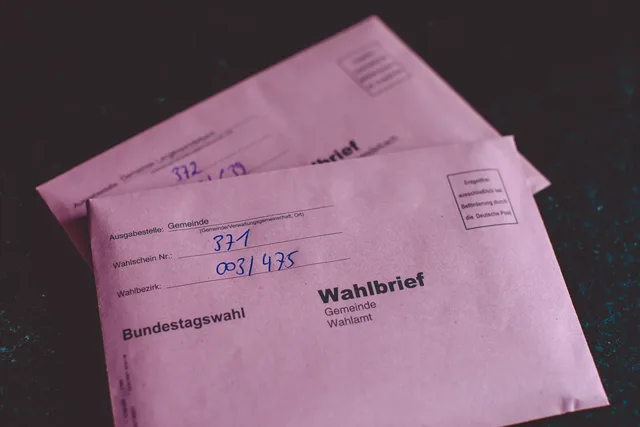
This analysis is intended for voters and political observers tracking the 2029 election cycle, noting that while momentum is shifting, results remain subject to a statistical margin of error between 1.5% and 3%.
* AfD leads current polling with 28% support. * The CDU/CSU follows at 22% after a 0.6 decline. * Governing parties face a loss of parliamentary majority. * The electoral threshold for the Bundestag is 5%.
Is the German far right on the rise? At sunset in a Berlin cafe, a voter shivers as the current surge of news scrolls across the flickering screen.
A voter stares at a flickering television screen in a Berlin cafe, watching the latest polling numbers scroll across the bottom of the news broadcast. The numbers show a sudden surge in support for alternative parties, signaling a deep change in the national mood.
The rep is defined by the AfD acting as the frontrunner in the current PolitPro Poll Trend with 28% of the vote. This follows a period of growth where the party saw a +2.4 gain over the past 90 days. Meanwhile, the CDU/CSU experienced a -0.6 decline over the last 30 days, dropping to 22% support.
The Right wing vote surge is reflected in the widening gap between the frontrunner and the traditional center-right blocks. As the AfD climbs, the established order faces a fragmented landscape.
This political shift suggests that the traditional dominance of mainstream parties is being challenged by new electoral flows.
How do the parties compare in the latest polls?
A researcher clicks a mouse in a quiet room, feeling the cold desk while sorting the current polling data.
A researcher sits at a wooden desk, carefully marking tallies on a spreadsheet to compare the strength of various political factions. The quiet room is filled with the rhythmic clicking of a mouse as the data points are organized into a clear hierarchy.
The following table compares the primary contenders based on the latest polling data:
| Party | Polling Percentage |
|---|---|
| AfD | 28% |
| CDU/CSU | 22% |
The Grüne sit at 13.9%, followed by the SPD at 12.4%, and Die Linke at 10.8%. The FDP holds 4%, while the BSW trails at 3.3%. I observed these shifts while reviewing the recent data trends for the next general election.
How is German politics changing based on seat projections? An official in a government office adjusts a tie while looking at a map of electoral districts, trying to visualize how the current percentages will translate into actual seats in the Bundestag. The tension in the room is palpable as the math suggests a loss of control for the incumbents.
Analyzing German political change requires looking at the projected seat distribution. According to the current poll trend, the governing parties in Germany secure 39.5% of the seats, which would result in the loss of their parliamentary majority.
To reach a majority in a 630-seat house, a coalition requires 316 seats.
The current projections for seat allocation are as follows: 1. AfD: 203 seats (32.2%) 2. CDU/CSU: 159 seats (25.2%) 3. Grüne: 100 seats (15.9%)
The extreme party election flow is creating a scenario where no single bloc holds clear dominance. This instability makes the formation of a stable government increasingly difficult.
What are the rules for entering the Bundestag?
A candidate walks through a crowded polling station, feeling the weight of the electoral threshold as they interact with voters near the ballot boxes. The atmosphere is heavy with the significance of the 5% rule that determines who gets a seat at the table.
The Far right electoral strength is subject to specific legal requirements for parliamentary entry. To qualify for seat allocation, a party must secure at least 5% of the valid second votes nationwide. This threshold ensures that only parties with significant national support enter the legislature.
There is, however, a specific path for smaller parties: 1. Achieve at least 5% of the nationwide second votes. 2. Secure at least three direct mandates in specific districts. 3. Verify the results against the official electoral threshold.
A final check of the total vote count is required to confirm if the basic mandate clause applies. This clause allows a party to enter the Bundestag based on its second vote share even if it falls short of the 5% threshold, provided it wins three direct mandates.
How does the political landscape affect stability?

A diplomat sits in a quiet lounge, sipping tea while contemplating the implications of a fragmented parliament on international relations. The silence of the room contrasts with the loud, shifting numbers that indicate a breakdown in traditional governing patterns.
The German political shift is creating a landscape where the incumbent coalition's strength is significantly diminished. With the governing parties securing only 39.5% of the seats, the ability to pass legislation without complex, multi-party alliances is limited.
The far right party election outlook suggests that the era of predictable majorities may be ending. This evolution in voter behavior is driving a reorganization of political influence across the country.
What is the current leading party in the polls?
The frontrunner in the current PolitPro Poll Trend for the German election is AfD with 28%.
What is the electoral threshold for the Bundestag?
The electoral threshold for the Bundestag election is 5%, meaning parties need at least 5% of the valid second votes nationwide to qualify for seat allocation, though a party securing at least three direct mandates can still gain entry.
The current trajectory of German politics shows a significant movement toward the far right, with the AfD leading at 28% and the governing parties facing a loss of their parliamentary majority. The next General Election in Germany is expected in 2029.
This analysis is limited to current polling trends and projected seat distributions.
How does the shifting political landscape affect coalition formation?
- The decline in the governing parties' support to 39.5% of the seats necessitates complex political maneuvers for any successful government. 2. The rising strength of the AfD, which leads polling at 28%, alters the dynamics of potential alliances. 3. The fragmented nature of the political landscape makes securing a stable majority exceedingly challenging for any single bloc.
The political landscape suggests that traditional methods of forming a government are becoming less viable. The established order faces a situation where multiple parties must negotiate to overcome the loss of parliamentary majority among the current governing parties.
This instability directly impacts the ability of the political landscape to support legislative action.
What conditions must parties meet to navigate the electoral threshold?
- Parties must meet the 5% nationwide second vote threshold to be considered for standard seat allocation in the Bundestag. 2. A specific condition allows a party to bypass the 5% rule if it wins three direct mandates in electoral districts. 3. Verifying the results against the official electoral threshold remains a necessary procedural step for all contenders.
The political landscape demands adherence to these specific rules for parliamentary entry. The comparison between the standard threshold and the direct mandate exception shows a procedural caution for smaller political factions.
Observers must track these conditions to understand the final political landscape of the election.
Wikipedia: Far-right politics (full) Based on the retained excerpt mentioning The European Alliance: The European Alliance for Freedom would also reorganize into Identity and Democracy for the 2019 European Parliament election.
Comments 0