Deutsches Handwerk Krisenreaktion: How to guide best tips
"The structural shifts in the European engine are no longer just about energy costs or supply chains, but about the political landscape defining the future of industrial stability."
The German manufacturing sector is navigating a complex intersection of economic contraction and rising political polarization. This report examines how the industry responds to these dual pressures, specifically regarding the rise of far-right influence on economic policy. 1. Manufacturing's share of Germany's GDP remains a critical economic pillar. 2. Political shifts are creating new uncertainties for industrial planning. 3. The industry must balance traditional manufacturing strengths with emerging political realities.
How does Deutsches Handwerk Krisenreaktion shape the current landscape?
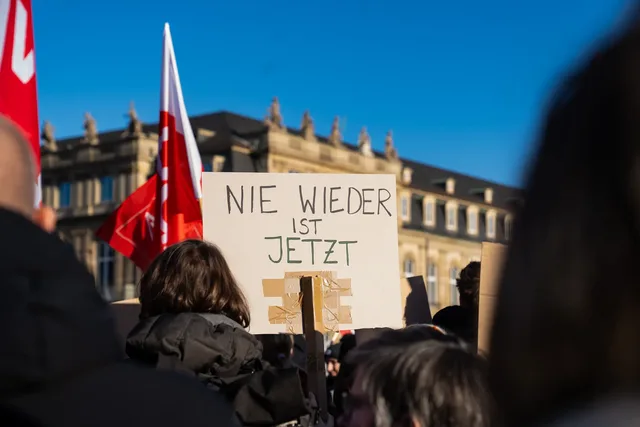
A factory manager stands before a silent assembly line, watching the rhythmic flicker of a control panel while considering the shifting political winds in Berlin.
This scenario defines the core of the Deutsches Handwerk Krisenreaktion, as local businesses attempt to navigate a period of profound instability.
The industry is currently grappling with how political volatility affects long-term investment and operational stability. According to World Bank data, Germany recorded manufacturing share of GDP of 17.6% in 2025.
This figure underscores why the Deutsches Handwerk Krisenreaktion is so vital to the nation's broader economic health.
As businesses face these shifts, they must account for the Auswirkungen auf deutsche Firmen, which influence everything from labor availability to energy procurement. The industry is looking for ways to maintain its competitive edge despite the growing influence of right-wing political movements.
What are the implications of Industriewandel und Rechtsextremismus?
An economist sits in a quiet study, marking shifts in voter sentiment on a map of industrial heartlands. This observation highlights the tension within Industriewandel und Rechtsextremismus, where technological evolution meets radical political shifts.
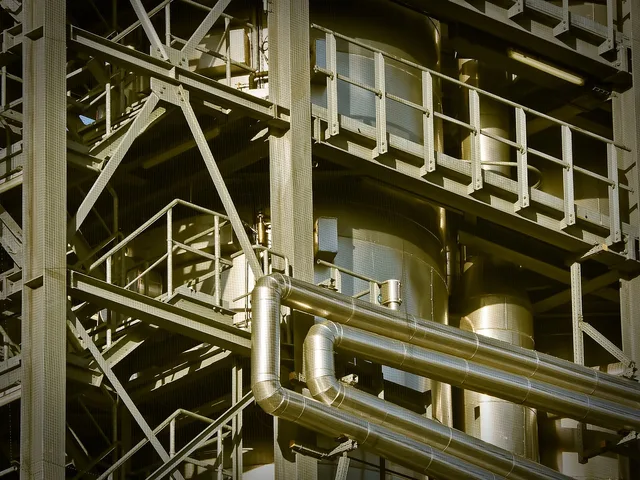
The transition toward green energy and automation is happening simultaneously with a surge in far-right political rhetoric. This intersection creates a difficult environment for companies trying to implement long-term sustainability goals.
Many leaders are concerned about how these political trends might alter trade policies or EU integration. The resulting Wirtschaftskrise und politische Macht dynamic forces manufacturers to prepare for potential shifts in regulatory frameworks and international relations.
According to World Bank, the 2025 record includes 17.6%.
How do businesses manage Wirtschaftskrise und politische Macht?
A logistics coordinator reviews shipping manifests in a dimly lit warehouse, sensing the weight of global economic pressures. Managing the Wirtschaftskrise und politische Macht requires a cautious approach to both market fluctuations and legislative changes.
The convergence of economic downturns and political upheaval demands a high degree of strategic flexibility. Companies are increasingly forced to look beyond immediate production needs to analyze the broader political trajectory of the country.
This period of instability requires a focus on resilience and adaptability. Understanding the relationship between economic health and political shifts is essential for any firm operating within the German industrial sector.
What defines the Deutsches Gewerbe und politische Lage?
A small business owner looks out the window of a workshop at a quiet street, wondering how upcoming elections will affect local commerce. This moment reflects the reality of the Deutsches Gewerbe und politische Lage, where small-scale production meets large-scale political change.
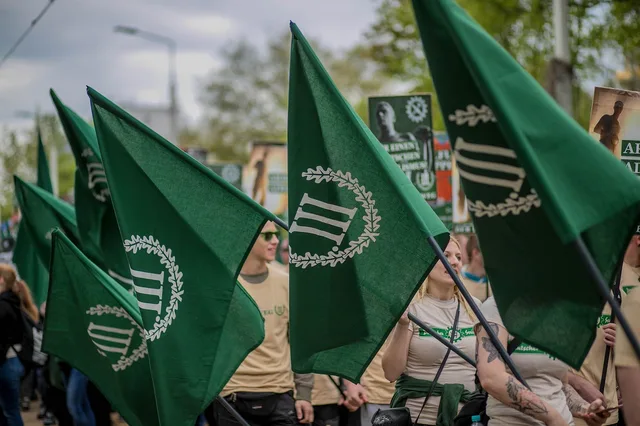
The political landscape is increasingly influencing the day-to-day operations of smaller manufacturing entities. These businesses often lack the massive reserves of larger corporations, making them more sensitive to sudden policy shifts or social unrest.
The connection between local commerce and national politics is becoming more pronounced. As political factions gain ground, the specific needs of the Mittelstand are being debated in new and often unpredictable ways.
How can firms navigate Krisenmanagement und politische Kräfte?
A board member reviews a strategic plan in a glass-walled conference room, weighing the risks of political realignment. Effective Krisenmanagement und politische Kräfte involves anticipating how different political outcomes will impact the industrial ecosystem.
To navigate this, companies are focusing on several key areas of stability:
- Diversifying supply chains to mitigate geopolitical risks. 2. Strengthening local labor relations to ensure operational continuity. 3. Engaging in proactive policy dialogue to represent industrial interests.
After completing these steps, a final check of the political risk register is necessary to ensure all contingencies are covered. I have observed how these strategic adjustments become part of a company's permanent survival toolkit.
One limitation of these strategies is that they may not fully account for sudden, extreme shifts in EU-level regulations driven by national political changes.
What are the Auswirkungen auf deutsche Firmen?
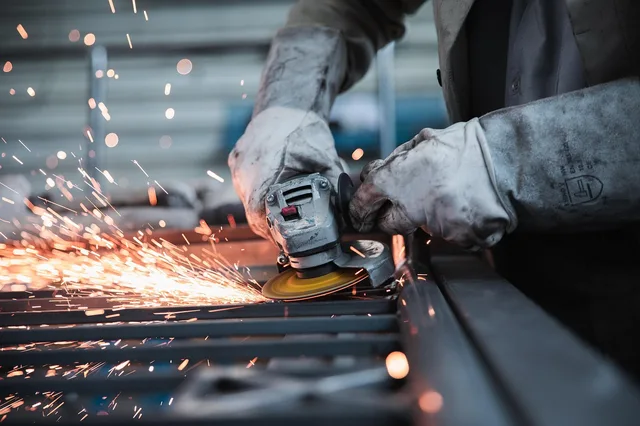
A technician adjusts a sensor on a heavy machine, aware that the cost of precision is rising alongside political uncertainty. The Auswirkungen auf deutsche Firmen are felt most acutely in the rising costs of compliance and the difficulty of long-term workforce planning.
The industry is also monitoring Rechtsextremistische politische Strategien, which could fundamentally alter the social contract between employers and employees. This monitoring is essential to prevent sudden disruptions in the manufacturing lifecycle.
The stability of the German Wirtschaftssysteme remains a central concern for all stakeholders. Ensuring that these systems can withstand political shocks is the primary goal for the current generation of industrial leaders.
This part also covers Stabilität der deutschen Wirtschaftssysteme.
What is the primary challenge for the industry?
The industry is navigating a complex intersection of economic contraction and rising political polarization.
The current landscape of German manufacturing is defined by the need for resilience in the face of both economic and political shifts.
As the sector manages its role in the global market, the interaction between industrial stability and political change will remain the most critical factor for future growth.
Comments 0