Beyond the Wall: Societal Strain of German Reunification
"A nation divided by iron curtains and rebuilt by political will."
The history of Germany between 1945 and 1990 is not just a story of borders, but a saga of two entirely different worlds forced into a single identity. While the fall of the Wall suggested an immediate end to division, the reality of merging two disparate systems proved far more complex.
* The post-WWII occupation created two distinct political entities: East and West Germany. * Reunification was driven by political momentum but complicated by massive economic disparities. * Financial settlements, including billions paid to the Soviet Union, shaped the early years of unity. * Societal divides persisted long after the physical borders disappeared.
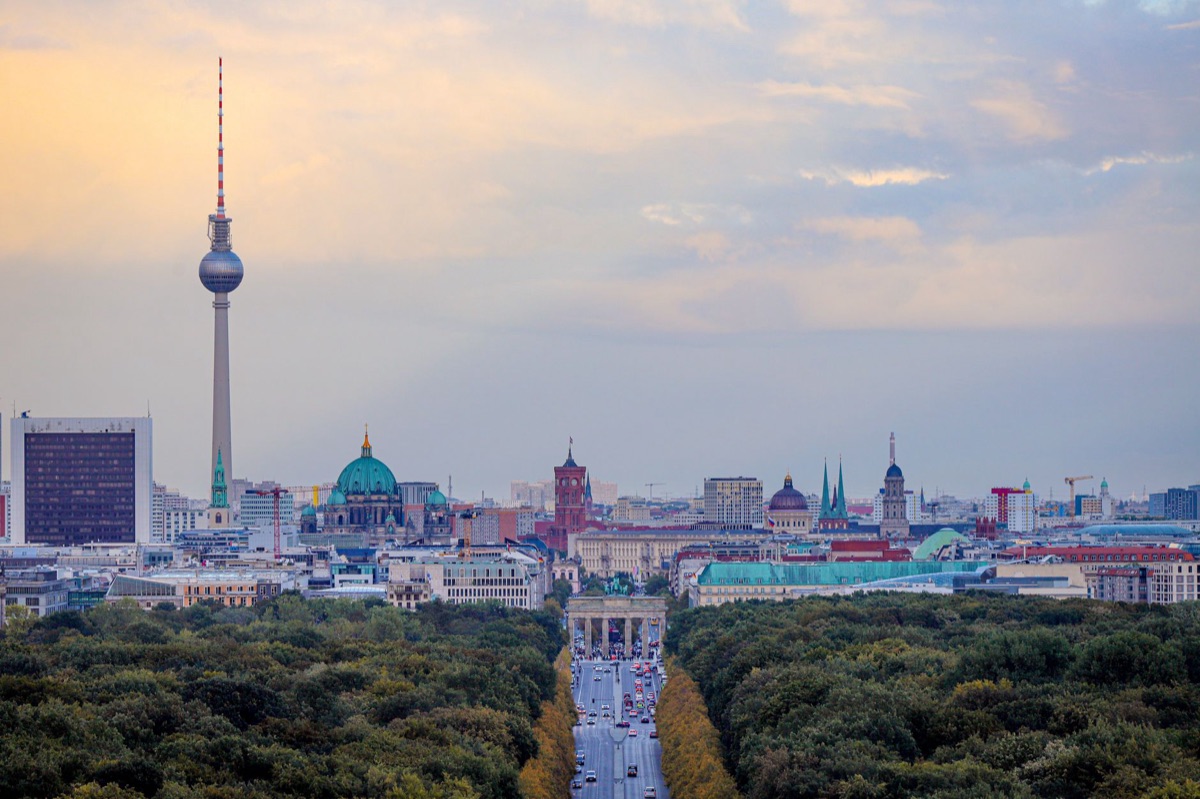
How Did Germany Become Divided After WWII?
The sound of rubble shifting in a cold, gray Berlin in 1945 marked the beginning of a decades-long fracture. After the surrender of the Third Reich, the Allied powers divided Germany into occupation zones, a temporary measure that eventually solidified into a permanent geopolitical split.
This division created two separate states: the Federal Republic of Germany (FRG) in the West and the German Democratic Republic (GDR) in the East. While the West moved toward a democratic, capitalist model, the East was shaped by Soviet-style socialism.
This wasn't just a difference in governance; it was a fundamental divergence in how people lived, worked, and viewed the world.
As the Cold War intensified, these two paths became increasingly incompatible. The tension between the American-backed West and the Soviet-backed East turned a temporary occupation into a deep-seated structural divide.
But the political split was only the beginning of the trouble.
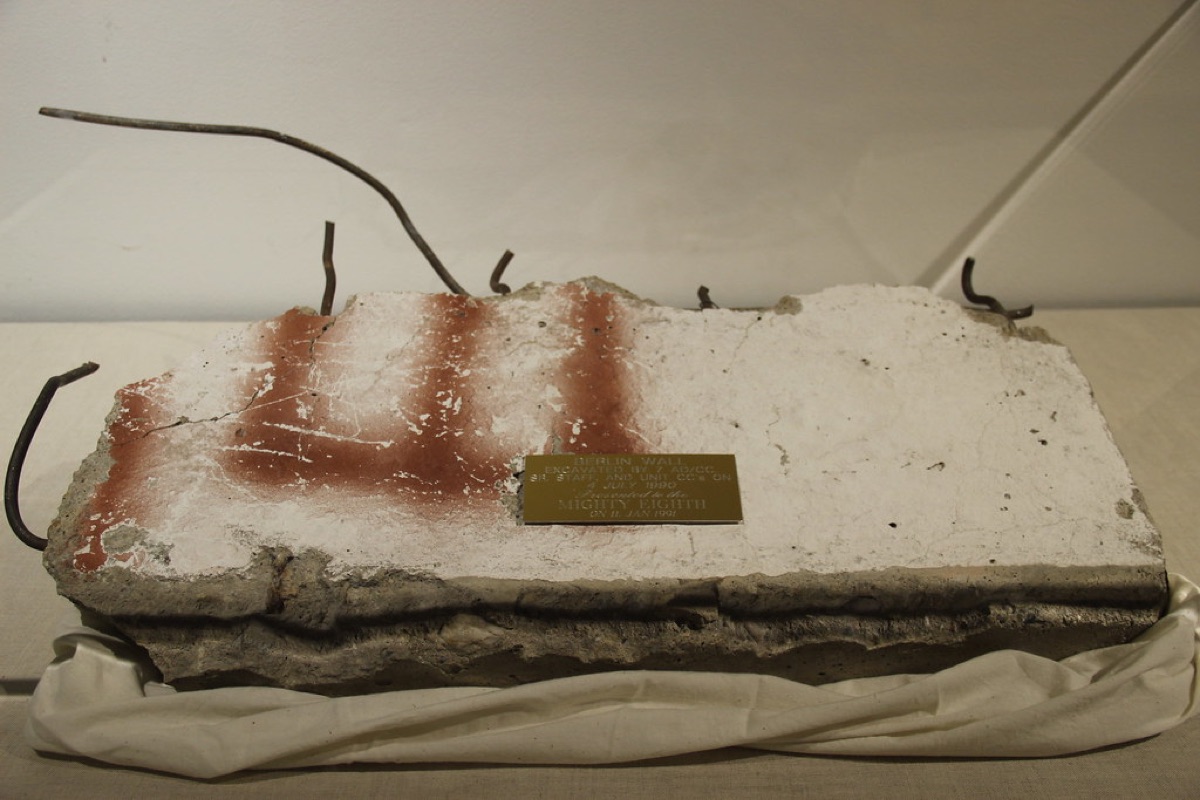
What were the economic and social realities of two Germanys? In a quiet suburb of West Germany in the 1960s, the "Economic Miracle" was in full swing, while across the border, East Germans lived under a strictly controlled command economy. The German social security system comprises roughly 25% of GDP, which is high among OECD members.
This disparity created a massive gap in wealth, infrastructure, and standard of living that would haunt the nation for decades.
The transition from two separate economies to one unified market was a monumental task. After 1990, the sudden shift meant that East German industries, often inefficient by Western standards, had to be rapidly integrated or dismantled.
This created immediate challenges regarding employment and asset ownership.
The social fabric was also stretched thin. While the West enjoyed rapid growth, the East maintained a different social security and community structure.
Integrating these two different ways of life required more than just new laws; it required a complete overhaul of the East German economic identity.
The economic gap was wide, but the emotional gap was often wider.
What were the political milestones to reunification? A quiet meeting in a high-security room might have seemed insignificant at the time, but the diplomatic maneuvers of 1990 changed the map of Europe forever. Germany agreed to pay about 55 billion deutschmarks to the Soviet Union in gifts and loans.
The political journey toward unity involved high-stakes negotiations with global powers to ensure that a unified Germany would be accepted by its neighbors.
The path to 1990 was paved with specific political settlements. To secure the sovereignty of a united Germany, the nation had to navigate complex international waters.
For instance, Germany agreed to pay approximately 55 billion deutschmarks to the Soviet Union in the form of gifts and loans, a sum equivalent to eight days of the West German GDP.
These milestones were not just about moving borders; they were about legitimizing a new state on the global stage. The political will to overcome decades of division required massive financial commitments and delicate diplomacy to prevent further conflict in Europe.
However, the political success did not immediately fix the social friction.
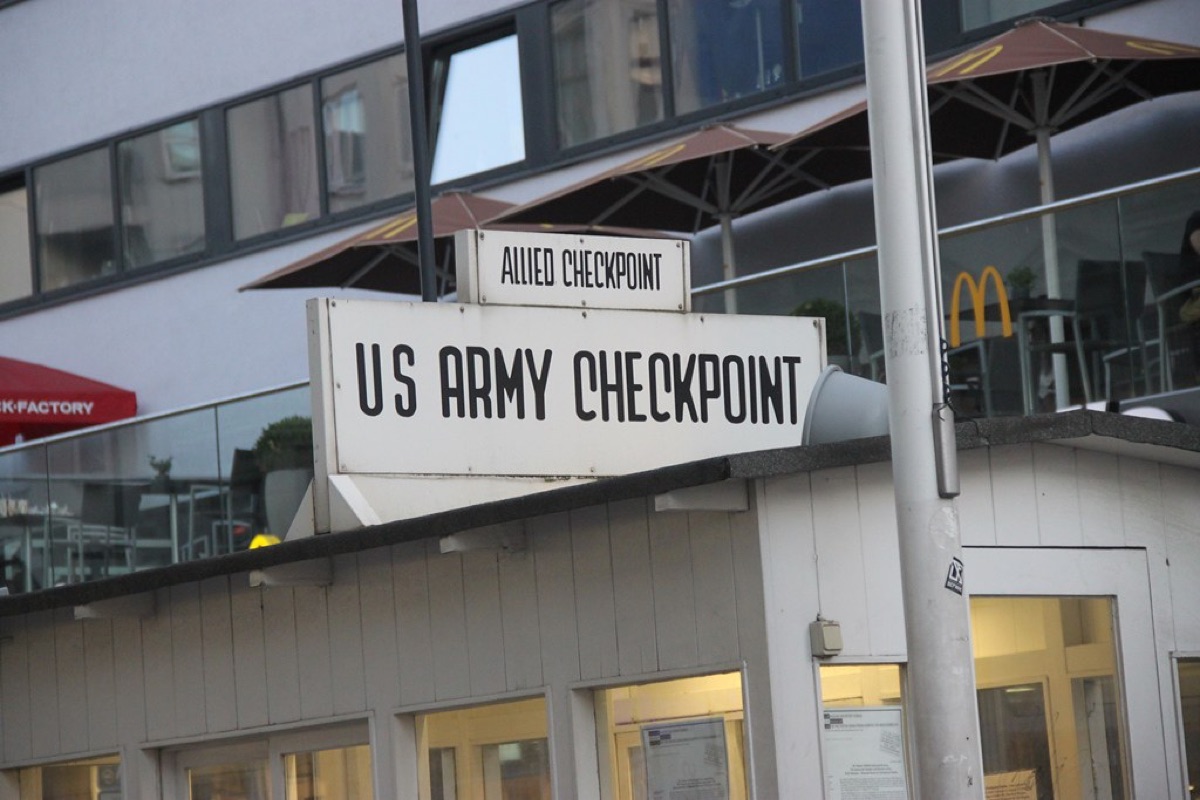
The Aftermath: Success, Strain, and Lingering Divides
Walking through a city like Leipzig or Dresden in the mid-1990s, one might have felt the tension of a country trying to find its footing. While the physical wall was gone, the psychological wall remained, as citizens from both sides grappled with their new reality.
According to a 2019 survey conducted by the Pew Research Center, 89 percent of Germans living in both the West and East believe that reunification was good for Germany.
According to a survey by the Allensbach Institute in 1993, only 22% of West Germans felt they were one nation.
The perception of reunification varied wildly depending on which side of the former border a person lived.
Even as time passed, the feeling of being "one nation" remained elusive for many. A survey conducted by the Allensbach Institute in April 1993 found that only 22% of West Germans and 11% of East Germans felt they were one nation.
Despite these numbers, a 2019 survey conducted by Pew Research Center showed that 89 percent of Germans living in both the West and East believe that reunification was good for Germany, with slightly more in East than West Germany supporting it.
| Aspect of Life | West German Context (FRG) | East German Context (GDR) |
|---|---|---|
| Political System | Parliamentary Democracy | Socialist Single-Party State |
| Economic Model | Social Market Economy | Planned Command Economy |
| primary Influence | Western Allies (US, UK, France) | Soviet Union |
| Integration Challenge | Absorbing new citizens/costs | Transitioning to market economy |
The numbers tell a story of gradual acceptance, but the human element was more complex.
The Enduring Legacy: Societal Memory and Identity
An elderly man in Berlin might look at a modern skyline and see a symbol of triumph, while his neighbor might see the erasure of a lost way of life. This duality defines the modern German identity, where the memory of division remains a quiet but constant presence.
Germany agreed to pay about 55 billion deutschmarks to the Soviet Union in gifts and loans, a sum equivalent to eight days of the West German GDP.
A 2019 survey conducted by the Pew Research Center found that 89 percent of Germans believe reunification was good for the country.
The legacy of the division is visible in everything from political leanings to economic structures.
While the country is now a global leader, the social security system, which comprises roughly 25% of GDP, remains a high-priority pillar of the unified state, reflecting the deep-seated need for stability learned during the era of upheaval.
The process of unification was never a single event, but a continuous process of negotiation. It remains a case study in how nations attempt to heal deep-seated fractures through political, economic, and social integration.
When I was researching the economic shifts of the early 90s, I found myself looking at old maps and wondering how people could simply wake up and find their world changed. It wasn't just a change of currency; it was a change of reality.
It is important to note that these historical trends do not apply to every individual experience. The ease of transition often depended on age, occupation, and location, and the "success" of reunification is still a subject of intense debate in local communities.
How to Understand the Transition Checklist
If you are studying the reunification process, follow these steps to grasp the complexity:
- Analyze the Political Framework: Look at the treaties and international agreements that allowed the borders to move.
- Evaluate the Economic Shift: Compare the transition from a command economy to a market economy and the resulting industrial shifts.
- Assess the Social Impact: Examine the demographic shifts and the changing sentiment between East and West populations.
- Review the Long-term Legacy: Study how the division still influences modern political and economic structures.
#





Comments 0