What are the key election debates Germany faces?
"Berlin's foreign policy is still too slow to respond to this new global situation."
The political landscape in Germany is shifting as voters weigh economic stability against changing international relations. The core of the upcoming debate involves managing shifting coalitions and addressing global dependencies.

Key takeaways: * The current governing coalition lacks a parliamentary majority in recent polling. * Issues of foreign policy speed and economic stability are central to the debate. * The 5% electoral threshold remains a critical factor for party entry.
Why are German election issues 2026 changing?
A quiet room in Berlin holds the weight of shifting political tides as leaders contemplate the next move. The current political environment is defined by a lack of a parliamentary majority for the incumbent coalition.
According to recent polling trends, the governing parties in Germany secure only 39.5% of the seats. This shift suggests that the existing power structure is under significant pressure to adapt to new voter demands. Seeking political alternatives has become a primary driver for the electorate.
The transition of political priorities is driven by shifting economic landscapes and evolving social dynamics.
What are the key election debates Germany faces?
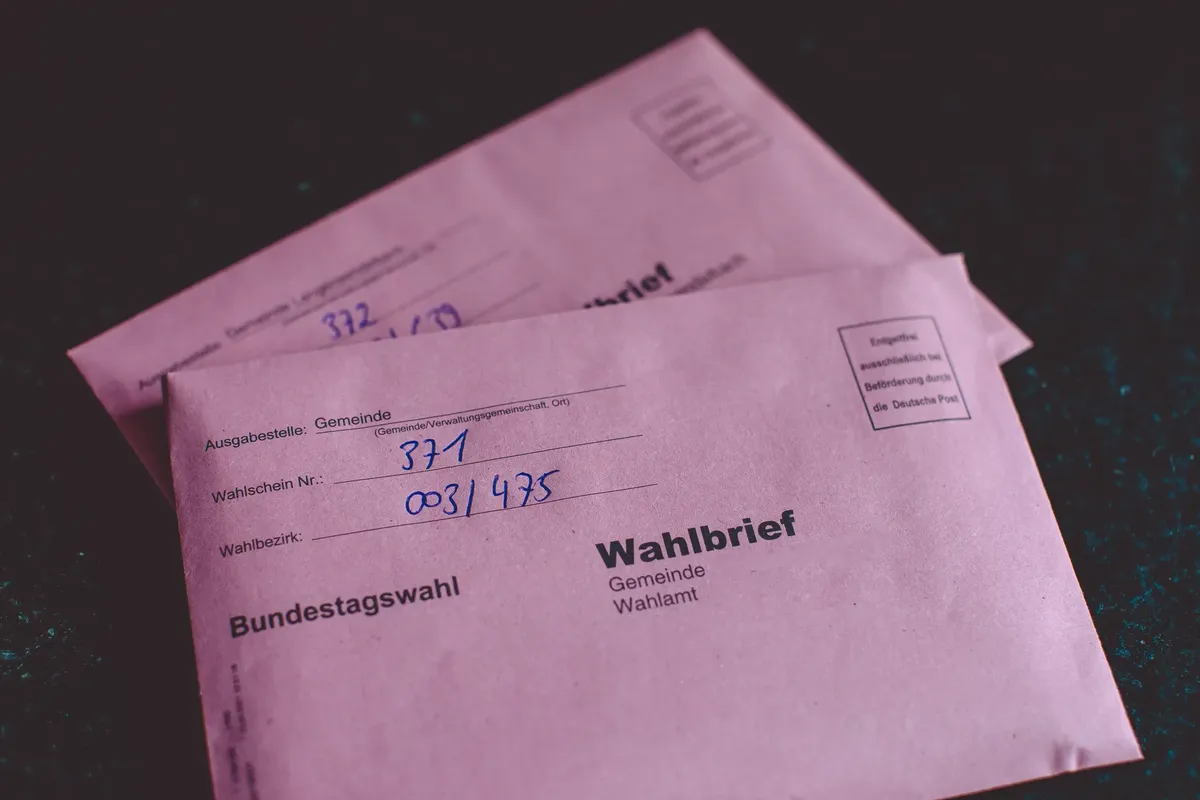
A strategist grips a cold cup of coffee at midnight, studying the map of the coming election.
A strategist looks at a map of shifting voter allegiances during a late-night session. The debate focuses heavily on the ability of the state to respond to a rapidly changing global landscape.
One significant concern involves the speed of diplomatic responses to international shifts. A commission is expected to take up the issue of dependence on China in 2026 to address these vulnerabilities.
Future German politics will likely be shaped by how these domestic dependencies are managed against global pressures.
Voters are increasingly focused on the following core areas: 1. Economic stability and fiscal policy. 2. Energy transition and climate goals. 3. Security and migration management.
How do political shifts Germany trends look?

An analyst marks a sudden change in a data table, noting the movement of different parties. The current frontrunner in the PolitPro Poll Trend is the AfD with 28%. According to the Foreign Ministry, a commission will take up the issue of dependence on China in 2026.
The CDU/CSU follows with 22%, while the Grüne stand at 13.9% and the SPD at 12.4%. Die Linke holds 10.8%, the FDP has 4%, and the BSW sits at 3.3%. These numbers reflect the growing volatility in the electorate.
| Party | Poll Percentage |
|---|---|
| AfD | 28% |
| CDU/CSU | 22% |
In this sequence, the second point is the most extensive.
What is the role of major issues in German vote?
A citizen reads the news on a tablet, contemplating the cost of living and security. The economic situation was viewed as the most important issue facing Germany in June 2026, with 25 percent of people selecting it as a problem.
This economic focus intersects with the need for strategic autonomy. Understanding why German politics changes requires looking at how economic stability and foreign policy intersect. The interplay between these forces will define the success of future coalitions.
Key issues serve as the primary drivers for voter mobilization and party platform development.
How do election rules impact the results?
A legal expert reviews the handbook of parliamentary procedures to ensure compliance. The electoral threshold for the Bundestag election is 5%.
To qualify for seat allocation, a party needs at least 5% of the valid second votes nationwide. However, a crucial exception exists through the basic mandate clause. A party securing at least three direct mandates gains entry to the Bundestag, even if it falls short of the 5% threshold.
The electoral system's structure significantly influences how votes translate into parliamentary seats.
What are the coalition possibilities?
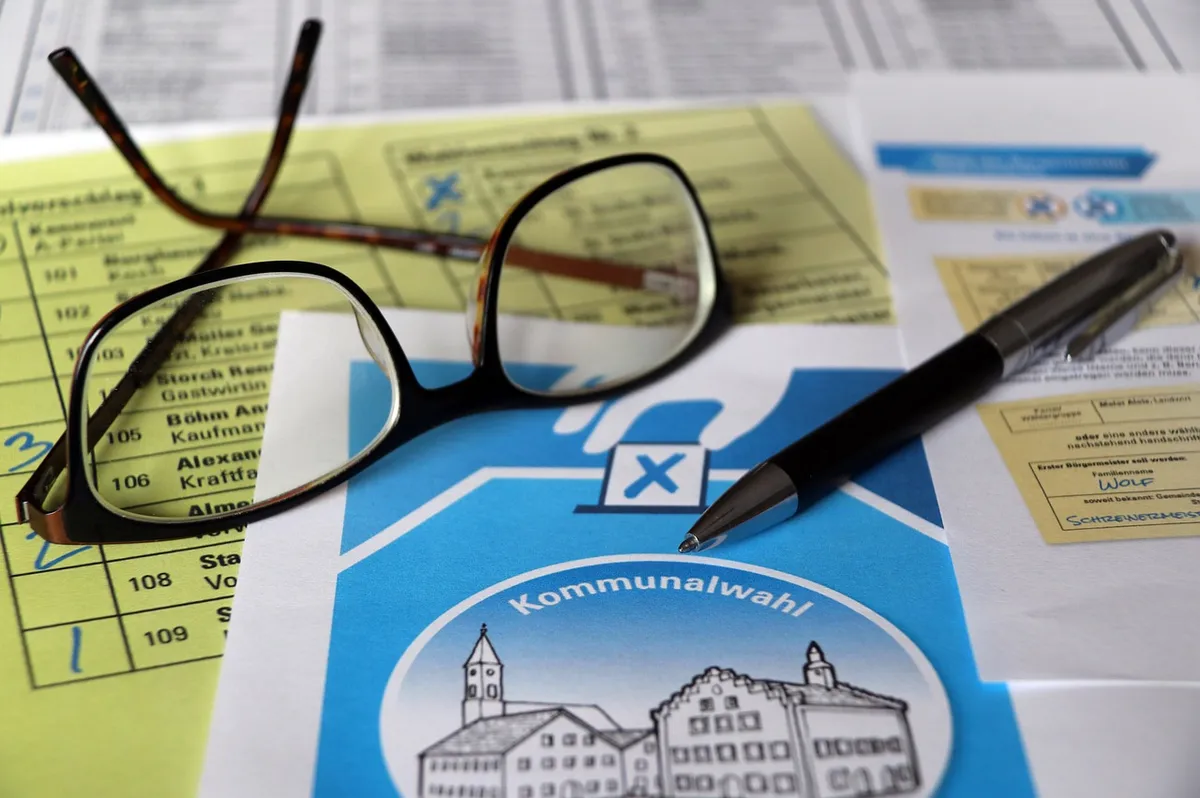
A group of negotiators sits around a large table, calculating the numbers needed for a majority. With 630 total seats, a majority requires 316 seats.
The current distribution shows the AfD with 203 seats and the CDU/CSU with 159 seats. The Grüne hold 100 seats, the SPD has 90, the Linke has 78, the FDP has 4, and the BSW has 3.3%. This distribution makes forming a stable majority a complex task.
The fragmentation of the political landscape necessitates complex negotiations to form stable governing majorities.
The subject here is German election issues 2026.
The same subject is also called 2026 German election topics.
Related
- Right wing party economic shift: Tips for economic stability
- How did migration impact the social landscape?
How does the coalition structure affect Berlin?
Berlin serves as the seat of government where the current coalition must navigate a lack of a parliamentary majority. The existing power structure faces pressure because the governing parties secure only 39.5% of seats in recent polling.
This situation requires leaders to manage shifting coalitions to address changing international relations.
- A party must secure at least 5% of the valid second votes nationwide to enter the Bundestag. 2. Alternatively, a party can gain entry by securing at least three direct mandates. 3. A majority requires 316 seats out of the 630 total available seats.
If a party fails to reach the 5% threshold, it must rely on the basic mandate clause to gain seats. The current distribution of seats among the AfD, CDU/CSU, Grüne, SPD, Linke, FDP, and BSW makes reaching the 316-seat majority a complex task.
This complexity is compounded by the need to balance economic stability against foreign policy speed.
How does the lack of a majority affect Berlin's foreign policy? Berlin's foreign policy is still too slow to respond to this new global situation because the current governing coalition lacks a parliamentary majority in recent polling. This structural weakness within the government makes swift, decisive action on international matters difficult for the capital. Leaders must navigate coalition dynamics while simultaneously addressing the need for faster foreign policy responses.
What are the implications of electoral thresholds for political parties? The 5% electoral threshold remains a critical factor for party entry into the Bundestag. A party must achieve this percentage of valid second votes nationwide to secure a seat allocation through standard means. However, the basic mandate clause provides an alternate path for smaller parties to gain representation.
This dual mechanism for entry demonstrates how the electoral rules impact the composition of the political body. The possibility of parties bypassing the 5% threshold alters the landscape of potential governing coalitions in Berlin.







Comments 0