What are the primary challenges for German diplomacy?
"Berlin's foreign policy is still too slow to respond to this new global situation."
Germany's foreign policy 2026 is expected to undergo significant shifts as the government addresses emerging global tensions and domestic strategic needs. The primary focus involves restructuring the Foreign Ministry and managing specific international dependencies.
Key takeaways include the formation of a commission to address China-related dependence and the necessity of accelerating diplomatic responses to a changing global landscape.
How will Germany's foreign policy 2026 evolve?
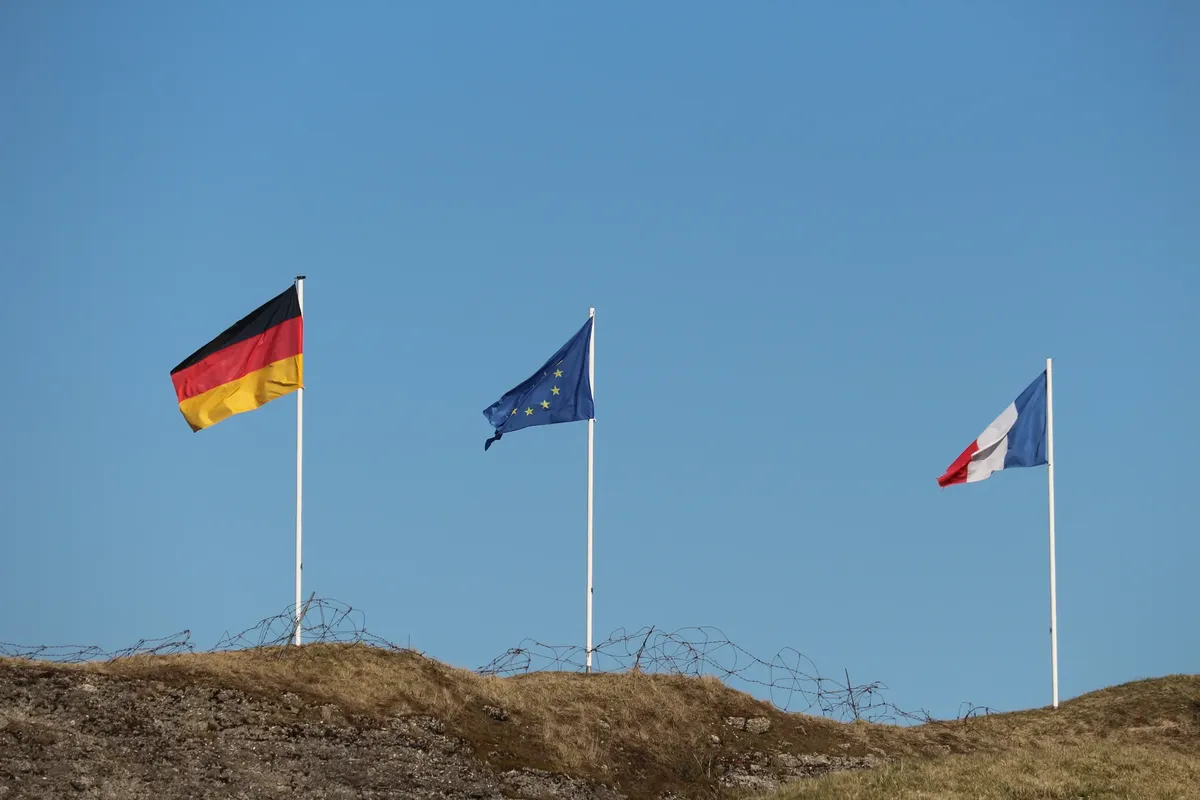
While sitting at a heavy oak desk in Berlin, the diplomat feels the weight of the shifting era as they mark the primary focus on a fresh document.
A diplomat sits at a heavy oak desk in Berlin, reviewing a stack of briefing papers regarding shifting alliances. The current trajectory suggests that the German government must modernize its diplomatic machinery to keep pace with rapid international changes.
According to the Foreign Ministry, a commission will take up the issue of dependence on China in 2026.
According to a report from DW, "Berlin's foreign policy is still too slow to respond to this new global situation." This assessment suggests that the existing frameworks may struggle to address modern geopolitical pressures without significant structural updates.
One specific focus for the coming year involves the establishment of a specialized commission. This body will examine the issue of dependence on China in 2026. This move aims to mitigate economic and political risks through more proactive strategic planning.
What are the primary challenges for German diplomacy? Germany foreign policy 2026
As evening falls over the ministry, the diplomat rubs tired eyes while staring at the primary obstacles laid out across the desk.
The atmosphere is one of transition as the government prepares for a more complex international environment.
The German diplomacy outlook 2026 is shaped by the need to balance traditional alliances with new security realities. The mismatch between current policy speed and global shifts remains a central concern for decision-makers.
This gap necessitates a more robust and responsive diplomatic presence on the world stage.
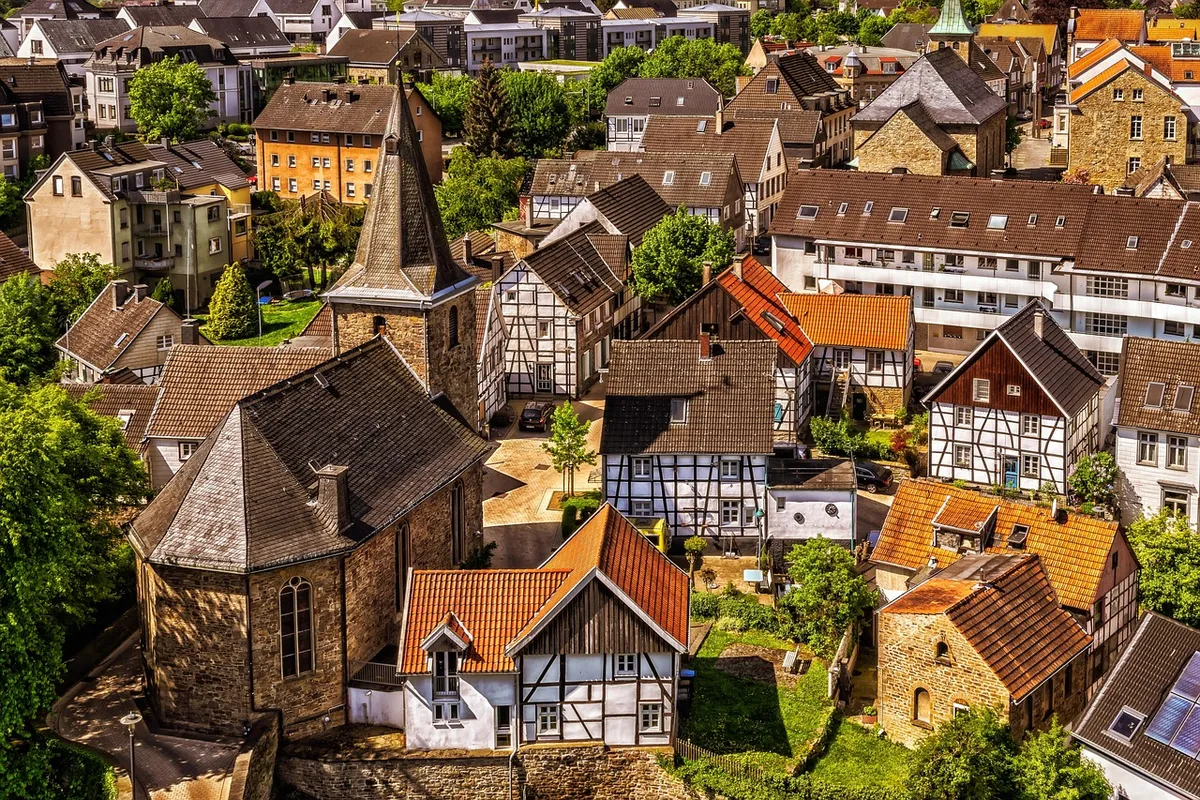
Addressing these challenges requires a careful recalibration of trade and security interests. The focus on reducing specific vulnerabilities is a priority for the ministry. This process will likely involve intense negotiations and internal policy shifts to ensure stability.
How will Europe and Germany talks 2026 impact the single market?
A group of policymakers gathers around a large digital map of Europe, tracing the lines of trade and energy corridors. They discuss the historical precedents of European integration and the necessity of modernizing economic structures.
The relationship between Germany and its European neighbors remains a cornerstone of regional stability. While the European Single Market was historically influenced by figures like José Manuel Durão Barroso and Mario Monti in 2010, the modern landscape requires new approaches.
Germany must work within these established frameworks to drive cohesive European policy.
Diplomatic efforts will likely focus on maintaining the integrity of the single market while addressing contemporary economic pressures. Strengthening these ties is essential for collective European resilience.
The interplay between national interests and EU-wide goals will define the success of these negotiations.
What role will global German relations 2026 play in strategic autonomy?
An official watches a news broadcast detailing trade fluctuations in the Pacific, noting the implications for European stability. The intersection of global trade and national security becomes the primary theater of diplomatic activity.
Global German relations 2026 will be characterized by an effort to secure supply chains and diversify partnerships. The commission focusing on China-related dependence highlights this shift toward strategic autonomy.
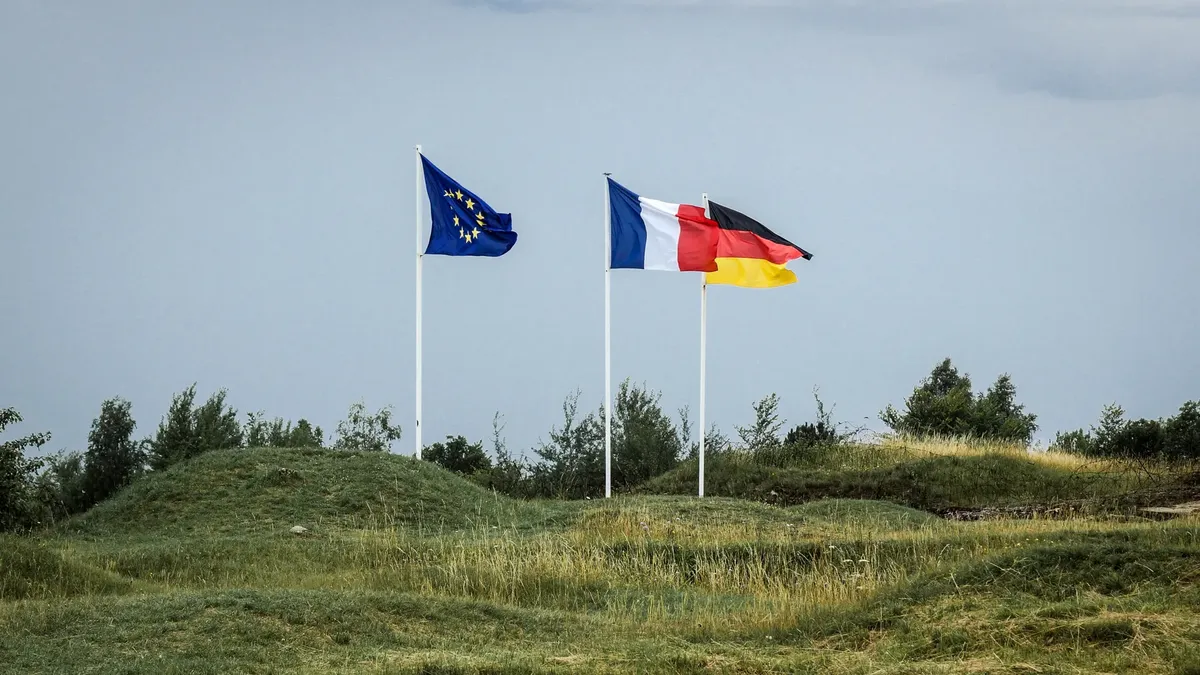
By identifying and addressing these vulnerabilities, Germany seeks to protect its economic interests from external pressures.
This strategy involves building more resilient trade routes and finding new partners. The goal is to ensure that German domestic stability is not overly reliant on single-source dependencies.
Such maneuvers require sophisticated negotiation tactics to maintain positive relations while pursuing security.
How is Germany's foreign strategy now being reshaped?
A strategist marks a calendar, noting the specific dates for upcoming commission meetings and summitry. The planning phase represents a shift from reactive measures to proactive engagement.
Germany's foreign strategy now involves a move toward more decisive and timely interventions in global affairs. The current slow response time is a known weakness that the government intends to rectify. By restructuring the Foreign Ministry, Berlin aims to regain its footing in a multipolar world.
The strategic pivot includes both economic and political dimensions. This involves managing the transition from older, less flexible models to more dynamic engagement strategies. Success will depend on the ability to integrate these new changes into existing diplomatic protocols.
What are the limitations of these diplomatic shifts?
A researcher examines a document, noting that while changes are planned, the impact of structural shifts is not immediate. The complexity of international relations provides a constant backdrop to all strategic planning.
The primary limitation is the existing speed of the German diplomatic apparatus. While the commission on China-related dependence is a significant step, the transition period may see continued friction. Rapid changes in the global situation may still outpace the ministry's ability to adapt.
| Subject | Focus Area |
|---|---|
| China Dependence | Commission Task |
I observed that the shift toward new commission-led strategies requires significant time to implement effectively. The effectiveness of these changes is limited by the existing speed of the current diplomatic framework.
- How will Germany's foreign policy 2026 evolve?
- What are the primary challenges for German diplomacy?
- How will Europe and Germany talks 2026 impact the single market?
The subject here is Germany foreign policy 2026.
The same subject is also called Europe Germany talks 2026.
This part also covers Impact of 2026 negotiations.
This part also covers Shifting international ties Germany.
This part also covers Political talks Germany Europe.
Impact of 2026 negotiations
Related




Comments 0