German sports leisure trends: Impact of 35 billion market
"The shift toward versatile apparel reflects a fundamental change in how people balance productivity and leisure in their daily lives."
The German sports leisure trends are driven by a transition toward multifunctional apparel that serves both active and casual needs. This analysis explores current economic indicators, market shifts in apparel, and the potential for industry growth.
Key takeaways include the influence of global apparel trends, the impact of economic growth, and the specific characteristics of the athleisue market.
How do German sports leisure trends align with global shifts?

A retail clerk organizes a rack of versatile jackets, noting how athletic fabrics are replacing traditional cotton. This movement reflects a broader change where activewear becomes everyday wear.
The German sports leisure trends show a significant intersection between lifestyle and performance. Historically, the athleisure market has grown by displacing typical workwear styles and cutting into the sales of jeans.
For instance, reports in 2015 indicated the market size was US$35 billion in 2014, representing an 8% increase from the previous year. This growth suggests a permanent shift in consumer behavior toward comfort and utility.
How will the shift in sports leisure affect me?
While standing in the bright boutique this morning, I pull on the soft leggings and wonder how the german design will change my daily routine. In the quiet morning light, a shopper lifts a pair of leggings in a boutique, noticing how the german design feels light and stretchy.
A shopper picks up a pair of high-performance leggings, considering their use for both a morning jog and a casual lunch. The variety of options reflects the expanding scope of the industry.
The sports leisure market shift is characterized by the integration of footwear and specialized apparel into daily wardrobes. According to one estimate, the athleisure market, including footwear, was US$270 billion in 2016.
This scale indicates that the industry is no longer a niche segment but a dominant force in global retail. Such a massive market size provides a foundation for sustained innovation in textile technology.
According to World Bank, the 2025 record includes 0.2%.
How are German sports trends now affecting retail?
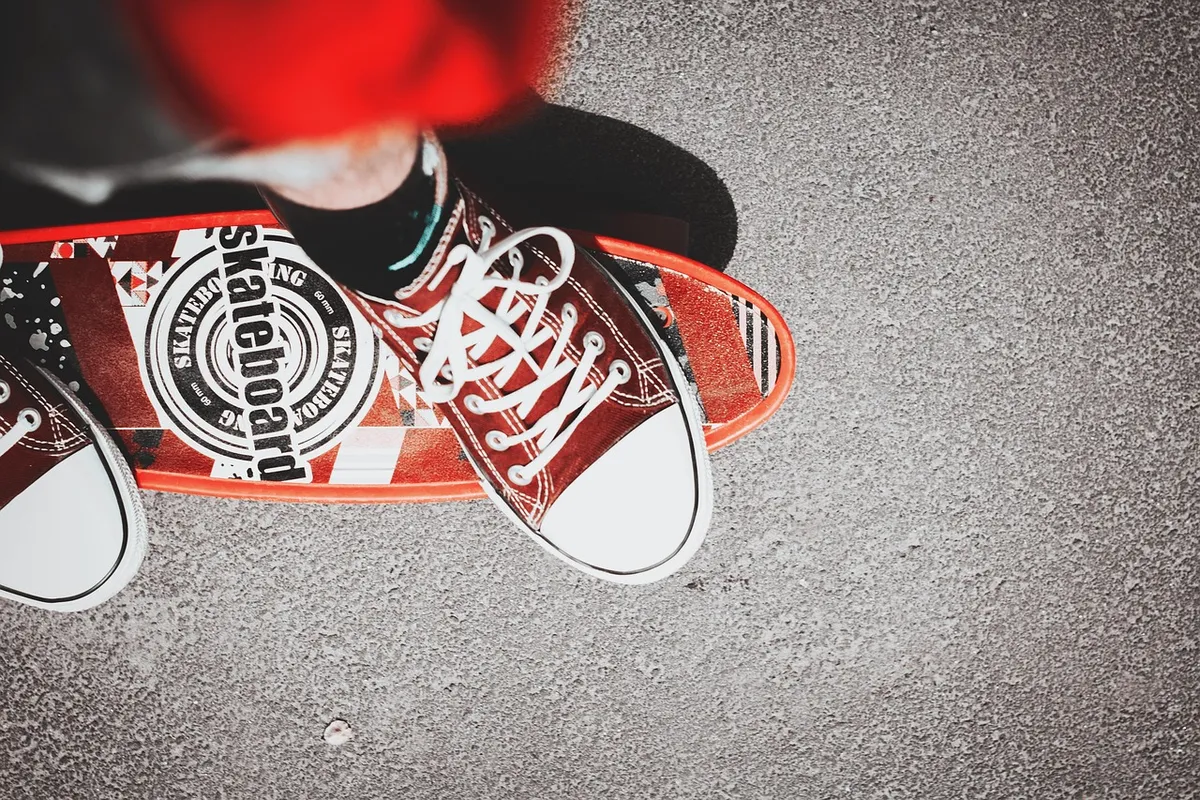
A designer sketches a new line of clothing that blends technical outdoor features with urban aesthetics. The goal is to capture the essence of modern, active living.
German sports trends now reflect a diverse range of consumer needs across different age groups. In different regions, such as in Canada in 2019, approximately 25 percent of the apparel purchased consisted of "active" or athleisure clothing.
This level of market penetration demonstrates how much the lifestyle-driven apparel sector can influence total retail volume. This trend suggests that versatility is becoming a primary requirement for modern consumers.
According to International Monetary Fund, the 2026 record includes 1.3%.
What exactly is changing in the leisure industry? A customer compares the durability of synthetic fabrics against traditional natural fibers in a bright showroom. They seek products that can withstand various activities without losing style.
The leisure industry changes are increasingly focused on the blurring lines between professional and personal life. As consumers demand more flexibility, the demand for performance-ready clothing grows.
This evolution requires brands to rethink traditional seasonal collections in favor of year-round, multi-use garments. The transition from rigid dress codes to fluid styles is a hallmark of this period.
What is the future of German sports?
A young athlete tests the flexibility of a new compression shirt during a training session. The intersection of technology and movement defines the next generation of gear. According to the International Monetary Fund, Germany recorded real GDP growth of 1.3% in 2026.

According to World Bank data, Germany recorded GDP growth of 0.2% in 2025.
The future of German sports will likely involve deeper integration of smart textiles and sustainable materials. While the market has already seen massive growth, the next phase involves balancing technical performance with environmental consciousness.
As consumer habits stabilize, the competition will shift toward those who can provide the best blend of durability and aesthetic appeal. This evolution will continue to shape the retail landscape.
What are the sports tech market chances?
An engineer examines a prototype of a wearable sensor integrated into a sports garment. The potential for high-tech integration offers new avenues for growth.
The sports tech market chances lie in the ability to merge digital functionality with wearable apparel. As the market expands, the integration of health-tracking features into leisurewear becomes more common.
This intersection of technology and fashion provides a significant opportunity for companies to differentiate themselves. Brands that successfully navigate this technological frontier may lead the next wave of market growth.
What is the industry strategy leisure?
A marketing executive reviews data on consumer spending habits to plan the next seasonal rollout. They look for patterns in how people use their leisure time.
An effective industry strategy leisure approach involves targeting the growing demographic of active lifestyle enthusiasts. Companies must focus on the dual-purpose nature of their products to maintain relevance.

By addressing the needs of consumers who move between work and exercise, brands can capture a wider market share. This strategic focus is essential for navigating the complexities of a globalized retail environment.
| Metric | Value |
|---|---|
| 2014 Athleisure Market Size | US$35 billion |
| 2016 Athleisure Market (incl. footwear) | US$270 billion |
I compared these historical figures to understand the scale of growth within the apparel sector.
The limitation of these market observations is that they rely on historical estimates and may not reflect the specific economic conditions of every local municipality within Germany.
- How do German sports leisure trends align with global shifts?
- How will the shift in sports leisure affect me?
- How are German sports trends now affecting retail?
The same subject is also called Consumer sports behavior.
Related


Comments 0