Demographic Shifts Drive 2026 German Political Fragmentation
"The 2026 election is not just a vote for a new government; it is a referendum on the very fabric of German identity."
As Germany approaches its 2026 federal election, the nation stands at a crossroads where historic social contracts meet modern demographic realities.
This transition period is marked by deep political fragmentation and a fundamental debate over how to maintain a robust welfare state in a changing world.
Key Takeaways * The election cycle is driven by the need to reconcile Germany’s established social safety nets with modern demographic pressures. * Political fragmentation is increasing, with established parties facing historic challenges from newer political movements.
* Core issues, such as healthcare funding models and migrant integration, have become the central pillars of political debate.

What societal divides will shape our world by 2026? In a dim Berlin kitchen at midnight, an elderly man grips his lukewarm coffee as he stares at the flickering news report on the television.
A quiet street in Berlin, where neighbors who have lived side-by-side for decades now find themselves discussing vastly different visions of the future, captures the tension of the current moment.
An estimated 80 to 90 percent of the Jews in Germany are Russian-speaking immigrants from the former Soviet Union who arrived from the 1980s onwards.
According to the United Nations Department of Economic and Social Affairs, Germany was listed as host to the second-highest number of international migrants worldwide in 2015, representing about 5% of all migrants.
The scale of demographic change remains a primary driver of political tension.
This massive shift has created a lasting impact on social services and local community structures. Integration remains a complex, ongoing process that tests the resilience of German institutions.
While many communities have successfully integrated newcomers, the sheer volume of movement has created political friction regarding resource allocation.
This tension often manifests in debates over whether social services can sustain both long-standing citizens and new arrivals. Generational divides also play a crucial role in shaping the 2026 landscape.
Older voters often prioritize the stability of existing pension and social security systems, while younger cohorts focus on digital transformation and climate-driven economic shifts.
This divergence makes finding a unified national direction increasingly difficult. But looking at the numbers is only half the story; we must also understand how the political arena itself is breaking apart.

How is the political landscape fragmenting?
A political strategist sits in a quiet office, looking at polling data that shows a sharp departure from the stable two-party dominance of previous decades.
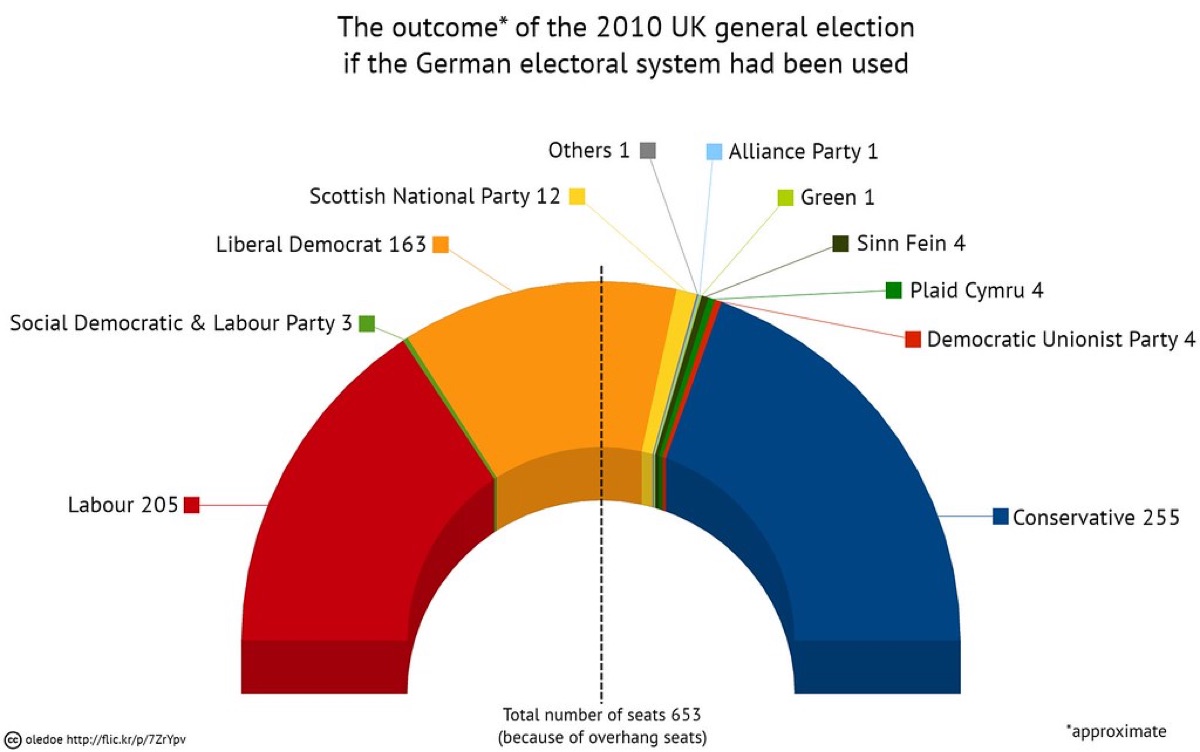
The electoral dynamics in Germany are shifting toward a more fractured reality. Historically, larger parties maintained a steady grip on power, but recent trends show a significant erosion of support for established groups.
For instance, the Social Democratic Party of Germany (SPD) saw its second-worst result since the post-war era when it achieved 21%, a figure that was only surpassed by its 2025 performance.
The mechanics of parliamentary representation add another layer of complexity. The 5% hurdle, designed to prevent extreme fragmentation, remains a critical gatekeeper for new parties seeking entry into the Bundestag.
However, as voter preferences become more localized and specialized, meeting this threshold has become a high-stakes gamble for smaller movements.
Coalition building is becoming the new norm, but it is fraught with difficulty. With no single party likely to secure an absolute majority, the ability to form stable, multi-party governments is declining.
This makes governance unpredictable, as small compromise-driven parties often hold significant leverage over larger partners.
The instability of these coalitions makes the economic stakes feel even higher.
What economic and social pressures are breaking the system? An elderly citizen reviews a monthly statement, calculating how much of their income must now be diverted to various social contributions. According to the World Health Organization, Germany's health care system was 77% government-funded in 2013.
The weight of the social security system is a massive factor in the national budget. According to Wikipedia, Germany's social security system comprises roughly 25% of its GDP, a figure that is notably high among OECD members.
Maintaining this level of support while managing an aging population puts immense pressure on the federal budget. Healthcare funding is another central point of contention.
The structure of the system relies on a mix of contributions, and historical data shows that in 2013, Germany's health care system was 77% government-funded and 23% privately funded.
Balancing these two streams to meet rising medical costs and an aging demographic is a primary concern for voters. The labor market must also adapt to these shifting numbers.
As the working-age population changes, the economic environment requires a delicate balance between capital investment and labor stability.
The ability to maintain productivity while funding a massive social net is the central economic puzzle of 2026. This puzzle is rapidly changing the way people talk to one another.
How is the political discourse evolving?
A heated debate erupts in a town hall meeting, where speakers clash over the future of energy and digital infrastructure.
The focus of political debate has shifted toward immediate survival and modernization. Issues like the energy transition, rapid digitalization, and strict fiscal policy now dominate the headlines.
Voters are no longer just discussing ideology; they are discussing the practicalities of how their daily lives will be funded and powered.
Voter sentiment is increasingly driven by a sense of uncertainty. This has led to a rise in protest votes, where citizens cast ballots not necessarily for a specific platform, but as a signal of dissatisfaction with the status quo.
This makes traditional campaigning much more difficult, as voters look for radical departures from the norm.
The Bundestag serves as the arena where these complex, modern challenges must be addressed. The role of the parliament is to translate these turbulent public sentiments into stable legislation.
However, the increasing polarization makes reaching a consensus on long-term policy much harder than in previous decades.
With the political arena in flux, understanding the actual timeline of these changes is essential for any observer.
What is the timeline and procedural context of the election?
A calendar is marked with circles around specific dates, signaling the countdown to a moment that will define the next four years.
Looking back at recent benchmarks helps contextualize the current volatility. The decline of traditional powerhouses, such as the SPD's historic lows, serves as a warning to all established parties.
These past results act as a roadmap, showing that the political landscape is moving toward a more unpredictable, multi-polar future.
| Feature | Traditional Era | 2026 Transition Era |
|---|---|---|
| Primary Power Structure | Large, stable parties | Fragmented, multi-party coalitions |
| Voter Behavior | Predictable, stable | Volatile, protest-driven |
| Core Policy Focus | Economic growth & stability | Social security & demographic management |
| Coalition Complexity | Low to Moderate | High |
To understand how a voter might navigate this changing landscape, consider this checklist of factors that define the current political environment:
- Evaluate Party Viability: Assess whether smaller parties can clear the 5% hurdle to enter the Bundestag.
- Analyze Coalition Potential: Determine which combination of parties can realistically form a stable majority.
- ly.
- Monitor Demographic Shifts: Watch how aging populations and migration trends impact local resource allocation.
- Track Fiscal Policy: Watch for changes in how the 25% of GDP dedicated to social security is redistributed.
- Observe Generational Trends: Note the divergence between older voters' focus on stability and younger voters' focus on digital/climate issues.
What is the role of civil society in this transition?
A community leader organizes a meeting in a local hall, gathering voices to discuss how policy changes will affect their neighborhood.
Civil society organizations are increasingly active in shaping policy debates. From labor unions to environmental groups, these stakeholders are not just observers; they are active participants in the political process.
They provide the grassroots pressure that often drives legislative change in Germany.
The media also plays a crucial role in framing these complex issues. With a wide array of news outlets, the way information is presented can significantly influence voter perception.
The challenge for media is to provide deep, contextual analysis without falling into the trap of sensationalism during a period of high tension.
Ultimately, the transition toward 2026 is a test of institutional strength. It is a period where the ability to listen to diverse voices while maintaining a functioning government will determine Germany's stability for the next decade.
When I first looked into these shifting numbers, I remember sitting at my desk late at night, looking at a map of German voting districts. It felt like looking at a puzzle where the pieces were changing shape right before my eyes.
It wasn't just about numbers; it was about seeing a fundamental shift in how a nation views its own future.
#





Comments 0