German renewable energy challenges: Why balance energy needs
"The gas-fueled prosperity of the Jobwunder made Germany complacent with its energy policy, and it ignored calls by the European Commission to diversify its gas supply away from Russia."
Germany faces a complex transition as it attempts to balance historical economic stability with the urgent need for renewable energy expansion.
This analysis examines the interplay between digital growth, energy consumption, and the shifting geopolitical landscape affecting the nation's energy security.
Key takeaways include the tension between ICT-driven efficiency and rising electricity demand, the historical context of Germany's energy reliance, and the upcoming policy shifts regarding global dependencies.
How did historical energy reliance shape Germany's current situation?
In the dim light of a vintage office, an elderly man sighs while touching a dusty map of the old german energy routes.
A quiet sense of security once filled the halls of German industry, where gas-fueled prosperity drove a period of economic envy. This era of stability, often referred to as the Jobwunder, created a level of complacency regarding long-term energy policy.
The historical reliance on specific gas supplies led the nation to overlook warnings from the European Commission to diversify energy sources. This lack of diversification meant that when geopolitical shifts occurred, the economy faced immediate instability.
Energy prices rose 35 percent compared to pre-war levels, leading to inflation and serious economic woes. This shift forced a sudden realization that the previous energy model was no longer sustainable.
However, these historical dependencies may not apply to future energy sources that rely on different geopolitical landscapes.
What is the current state of renewable energy in Germany?
The researcher stares at a glowing screen late at night, tracing the shifting lines of the german energy transition.
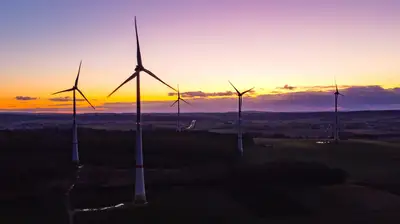
A researcher looks through a digital database, noting the progress made in the transition to greener power sources. Despite the challenges of recent years, the shift toward sustainable energy remains a measurable reality in the German landscape.
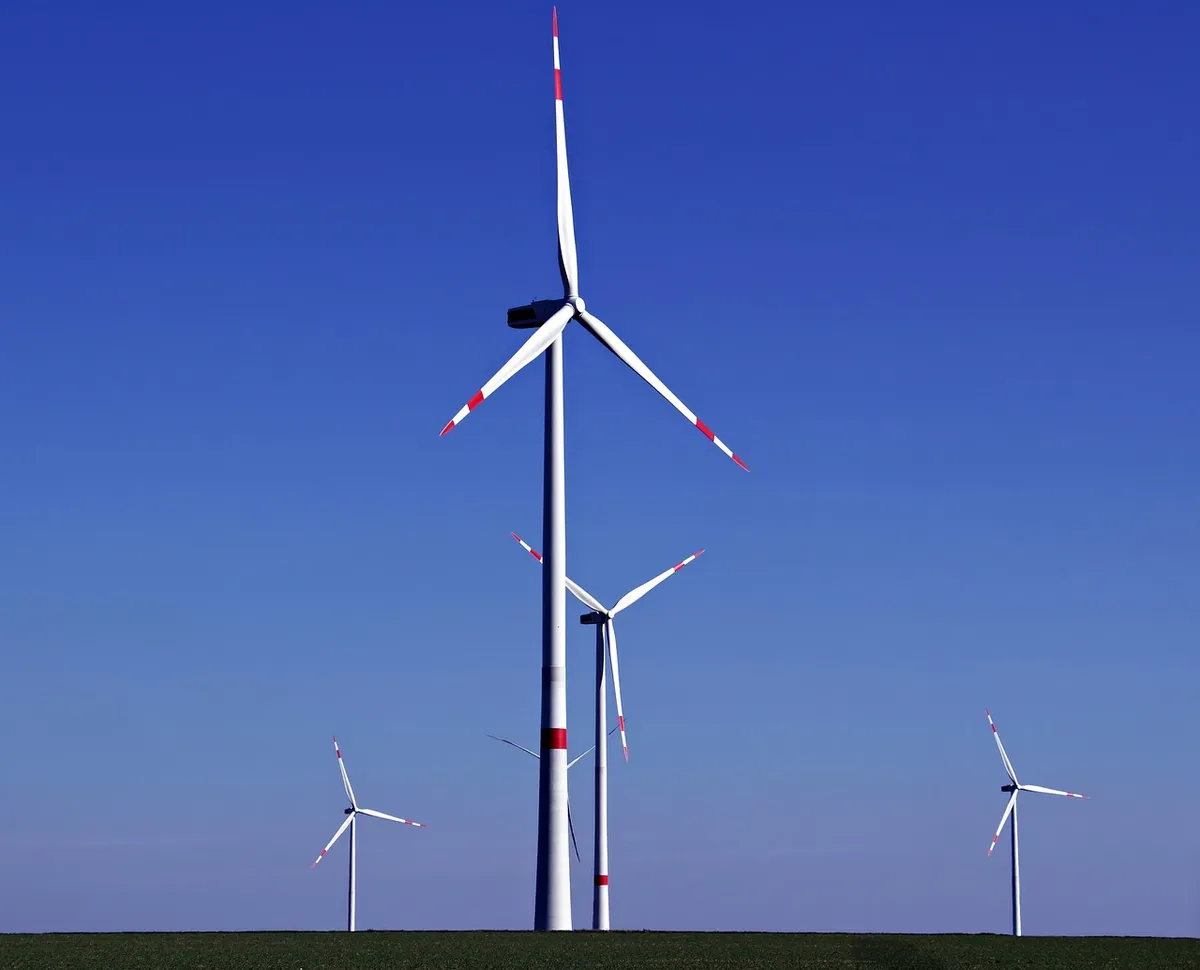
According to World Bank data, Germany recorded a renewable energy share of final consumption of 17.6% in 2021. This figure represents a foundational step in the broader effort to move away from traditional fossil fuels.
While significant, this percentage highlights the vast amount of work remaining to reach total energy independence. The transition requires balancing these renewable gains against the needs of a major industrial economy.
This overview provides a snapshot of the existing infrastructure.
How does digitization affect energy consumption and German renewable energy challenges?
An engineer monitors a server room where the hum of cooling fans signals the constant energy demand of a digital world. As the nation moves toward more advanced technology, the relationship between digital growth and energy use becomes increasingly complex.
The German renewable energy challenges are compounded by the dual nature of information and communications technology (ICT). On one hand, studies proved that in OECD countries, a reduction of 0.235% energy use is caused by an increase in ICT capital by 1%.
This efficiency gain can support the transition.
On the other hand, increasing digitization leads to higher consumption. This trend suggests that as the digital footprint grows, the demand on the power grid will escalate.
Managing this surge is essential to ensure that digital progress does not undermine environmental goals.
The complexity of these technological shifts means that benefits may be limited in regions with outdated power grids.
What role does foreign policy play in energy security?
A diplomat sits at a desk in Berlin, reviewing documents that outline the shifting alliances of a changing global landscape. The intersection of energy and international relations has become a central pillar of national strategy.
The impact of energy shift on society is deeply tied to how the government manages external dependencies. Berlin's foreign policy has been criticized as being too slow to respond to the new global situation.
For instance, a commission is set to take up the issue of dependence on China in 2026.
Understanding the role of government in energy change requires looking at how these diplomatic shifts affect domestic stability. The financing renewable expansion costs and managing the social cost of green energy are now intertwined with foreign policy decisions.
Addressing these economic hurdles for renewables requires a strategy that accounts for both local needs and global volatility.
In this sequence, the first point regarding sovereignty is the most critical.
How can Germany manage the transition to a more secure energy future?
A technician adjusts the settings on a solar inverter, preparing for the next cycle of renewable energy production. Navigating the path forward requires a structured approach to mitigate the risks of the past while embracing the tools of the future.
The following steps represent a framework for managing such a transition:
- Diversify energy sources to prevent the single-point failures seen in recent years. 2. Integrate ICT-driven efficiency to offset the rising electricity demands of a digital population. 3. Align foreign policy with energy security to manage dependencies on external powers.
A final check of these strategies ensures that economic stability and environmental goals are addressed simultaneously. The transition is not merely about changing fuel sources but about restructuring the entire economic and diplomatic foundation.
| Metric | Value |
|---|---|
| 2021 Renewable Share | 17.6% |
| Energy Price Increase | 35% |
The transition is difficult, but the data shows that the path to sustainability is fundamentally linked to how technology and policy interact.
The effectiveness of these strategies is limited if they are implemented without cross-sector coordination.
- How did historical energy reliance shape Germany's current situation?
- What is the current state of renewable energy in Germany?
- How does digitization affect energy consumption and German renewable energy challenges?
The same subject is also called Germany energy transition issues.
The same subject is also called Policy challenges in Germany.
Impact of energy shift on society
Related




Comments 0