What role does heritage play in German arts global trends?
"Berlin's foreign policy is still too slow to respond to this new global situation."
The shifting landscape of Germany culture exchange 2026 is defined by a pivot toward strategic autonomy and the management of global dependencies. This transition involves restructuring diplomatic priorities and addressing economic ties to ensure cultural and political stability.
Key takeaways include a focus on reducing specific international dependencies, the management of significant heritage assets, and a realignment of foreign policy through specialized commissions.
How will Germany culture exchange 2026 address global shifts?
At dusk in a quiet Berlin office, a diplomat sighs while adjusting her glasses as she contemplates her shifting role.
A diplomat sits at a polished wooden desk in Berlin, reviewing policy papers that outline a changing world order. The upcoming year involves a significant shift in how the nation interacts with global powers to secure its interests.
According to a report on Germany's 2026 foreign policy challenges, a commission is set to take up the issue of dependence on China in 2026. This move aims to address vulnerabilities in the current global situation.
The goal is to refine how the nation navigates international relations while maintaining its cultural and economic integrity.
The German cultural diplomacy outlook is being shaped by these structural changes within the Foreign Ministry. This process seeks to modernize how the country engages with the world.
What role does heritage play in German arts global trends?
A traveler walks through a historic town square, surrounded by ancient architecture that has survived centuries of change. Germany holds a massive collection of history, which serves as a cornerstone for its international identity.
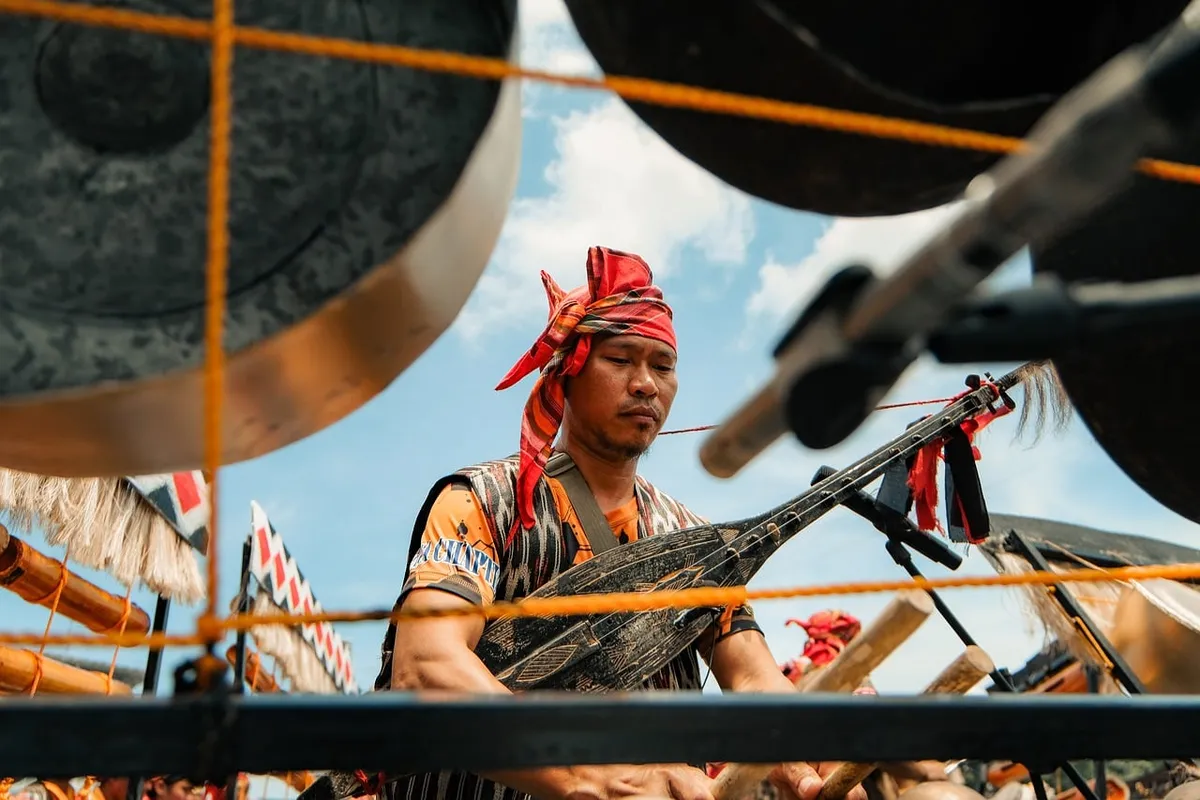
The nation possesses the third-highest number of UNESCO World Heritage Sites, totaling 55 sites, with 52 being classified as cultural. This vast inventory of heritage provides a unique foundation for international engagement.
Such significant cultural assets help maintain a strong presence in the global community.
German arts global trends are often influenced by this deep historical reservoir. These sites act as physical touchstones for the country's identity on the world stage.
How does the future of German culture intersect with policy?
A policymaker examines a map of Europe, considering the historical boundaries and modern alliances that define the region. Understanding the past is essential for navigating the complexities of the current geopolitical landscape.
The historical loss of approximately 13% of European territory and the ceding of all colonial possessions have shaped modern diplomatic approaches. These historical realities influence contemporary strategies for engagement and cooperation.
Navigating these legacies is part of the broader effort to define a modern role.
The future of German culture is inextricably linked to these historical shifts. Addressing these legacies remains a vital part of the nation's strategic planning.
What defines 2026 cultural cooperation through economic lenses?
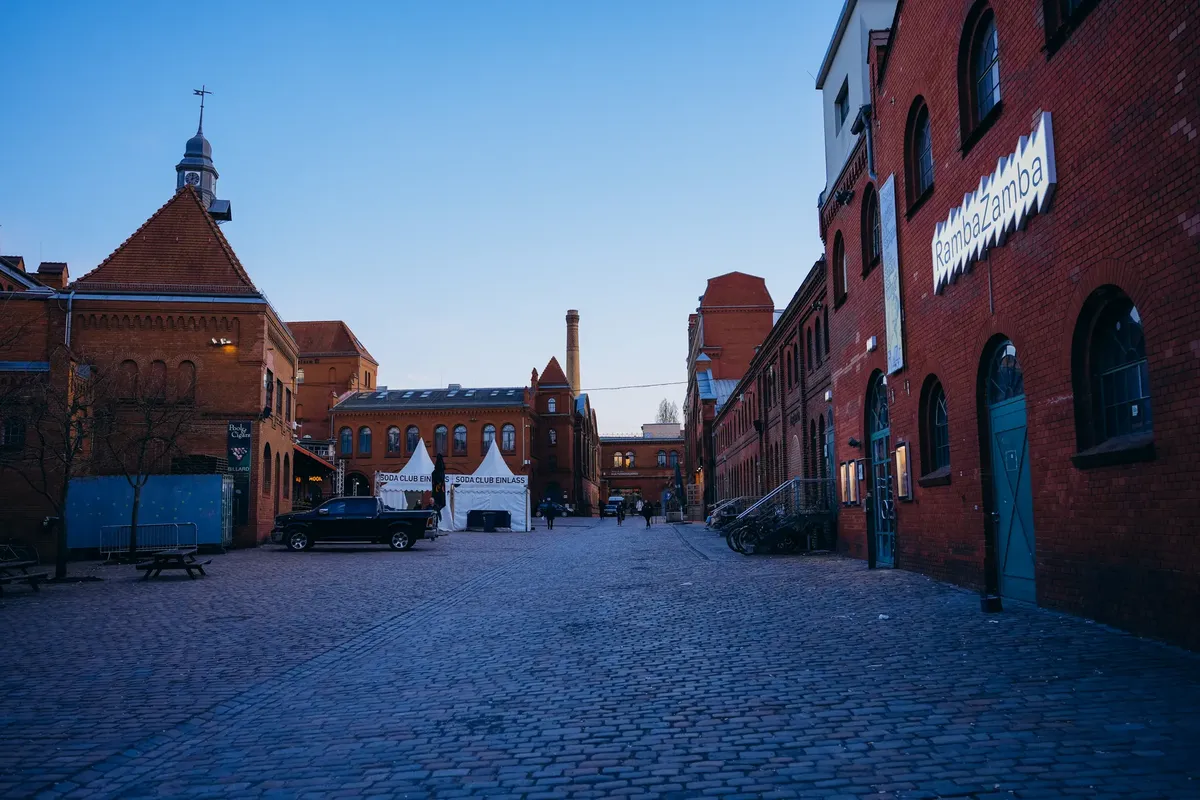
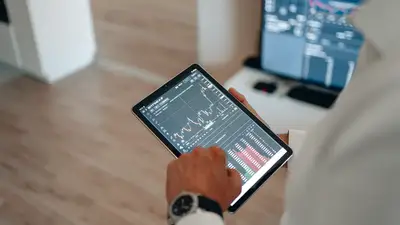
A professional monitors a digital dashboard showing trade flows and diplomatic spending levels across different continents. Economic stability and resource management are critical components of successful international relations.
In 2026, Germany reported an estimated spending of $147.002 billion to NATO, which exceeded the target at 2.69% of GDP. This level of commitment reflects a growing emphasis on security-related cooperation. Such financial shifts often mirror the changing priorities in international partnerships.
The 2026 cultural cooperation framework is influenced by these significant shifts in national spending. Financial commitments often dictate the scale and scope of international engagement.
How will the world cultural exchange shift affect diplomacy?
An official at a summit listens intently to a colleague, as they discuss the implications of new international agreements. The interaction between economic power and cultural influence is becoming increasingly complex.
According to the Foreign Ministry, "Berlin's foreign policy is still too slow to respond to this new global situation."
The question of how to manage global dependencies remains a central theme for the Foreign Ministry. This involves balancing economic needs with the necessity of maintaining independent policy directions. Such a balance is essential for a stable and respected international presence.
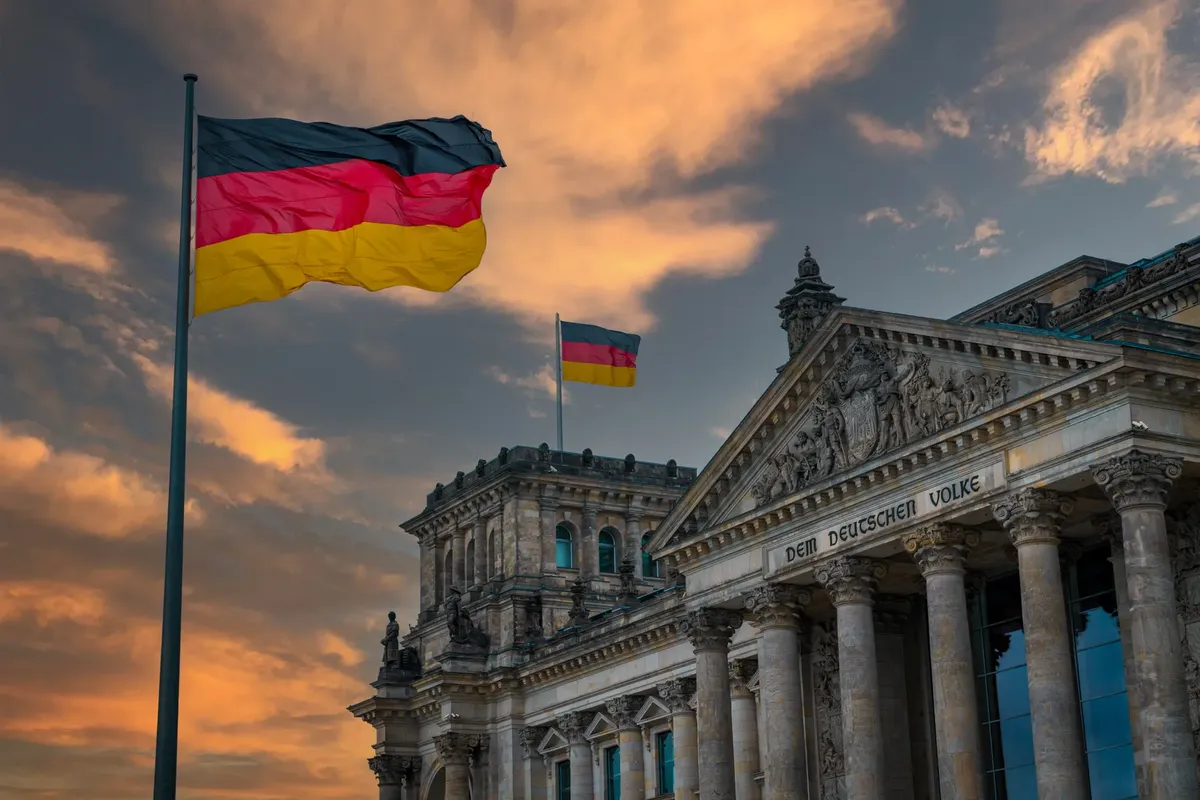
The world cultural exchange shift is driven by these efforts to balance power and influence. Adapting to these changes requires a proactive and strategic approach.
Summary of Key Data
| Category | Value/Detail |
|---|---|
| UNESCO World Heritage Sites | 55 (52 cultural) |
| 2026 NATO Spending | $147.002 billion (2.69% of GDP) |
I observed how the focus on specific commissions aims to address the nuances of modern dependency.
This part also covers Global art exchange dynamics.
This part also covers Cultural integration strategies 2026.
German cultural diplomacy outlook
Related
- German tech social change: Tips for digital transformation
- What 12 million role does the social security system play?


Comments 0