German Healthcare Spending Compared to GDP
"A nation's health is not merely measured by the vitality of its citizens, but by the fiscal weight its social safety nets carry against the tides of economic volatility."
Understanding how Germany balances its massive healthcare commitments against fluctuating GDP is essential to grasping the stability of the European engine. This analysis explores the intersection of social spending and economic resilience.
Key Takeaways * The relationship between health expenditure as a percentage of GDP and overall economic health is complex, requiring deep structural analysis. * Germany maintains a high standard of living, reflected in its significant investment in its healthcare infrastructure.
* Economic indicators show vulnerability to external factors, even within a strong European framework. * The structure of the healthcare system reflects a blend of public and private funding models.

How is the German economy performing and integrating? In a silent Frankfurt office at dusk, the low hum of servers vibrates through the floor as a worker rubs tired eyes.
A quiet office in Frankfurt hums with the sound of servers, representing the digital heartbeat of a continent. In this setting, the sheer scale of German economic influence becomes palpable through every transaction.
Germany remains a cornerstone of European stability, accounting for 23.7% of the Eurozone economy in 2025, a figure that underscores its high degree of economic integration.
While the nation has long been defined by its industrial prowess, the service sector has become an increasingly vital component of its GDP. However, the path forward is not without friction.
The European Commission forecasts growth of just 1.2% for 2026, which sits below the EU average of 1.4%. This sluggishness is driven largely by government spending rather than a genuine private-sector recovery.
This reliance on state spending highlights a transition period where the traditional industrial engine is recalibrating. As the economy shifts, the weight of social obligations becomes a central pillar of fiscal debate.
But how does this massive spending translate into the actual care people receive?
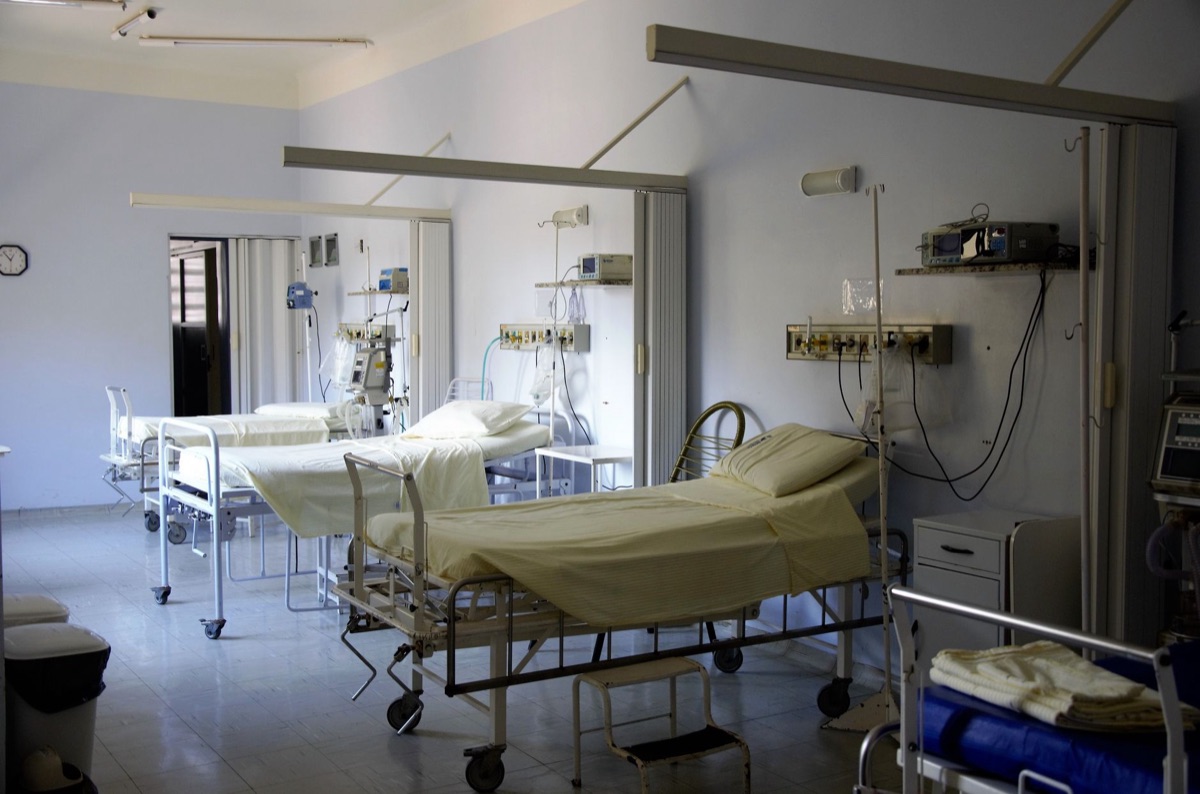
How is healthcare funded and structured in Germany?
A researcher in Berlin adjusts her glasses while reviewing a spreadsheet of social insurance data. The numbers represent more than just math; they represent the social contract that holds the nation together.
The German healthcare system is built on a dual-pillar model that balances collective responsibility with individual choice. According to the World Health Organization (WHO), Germany's health care system was 77% government-funded and 23% privately funded in 2013.
This structure ensures a baseline of universal coverage while allowing for private supplemental options. It is a delicate balance of public duty and private agency.
Beyond physical medicine, the nation is also investing in cognitive health.
For instance, the first-time application and evaluation of an adapted mental health literacy school curriculum has shown significant increases in mental health knowledge and help-seeking efficacy among 10th-grade students in Germany.
This mix of funding and social investment creates a unique economic profile. It ensures that even during downturns, the human capital of the nation remains somewhat shielded from total collapse.
However, a high level of spending does not always guarantee high levels of prosperity.
How does health spending affect economic output? A factory worker in the Ruhr valley looks at a growing medical bill, wondering how the nation's wealth translates to personal well-being. This tension defines the relationship between macroeconomics and micro-level reality.
To understand the current prosperity, one must look at the wealth per person. According to World Bank data, Germany recorded a GDP per capita of US$60,496 in 2025.
When we look at health spending as a portion of this wealth, we see a massive commitment to maintaining a healthy workforce. High spending on health services acts as a form of social insurance, maintaining productivity during health crises.
However, when health spending rises as a percentage of GDP during periods of low growth, it can place a strain on the national budget. This is the risk of the "social safety net" becoming a fiscal weight.
The following table illustrates the fundamental components of the German economic and social landscape:
| Metric | Value/Detail | Context |
|---|---|---|
| 2025 Eurozone Share | 23.7% | High level of economic integration |
| 2025 GDP per capita | US$60,496 | High standard of living |
| Healthcare Funding (2013) | 77% Public / 23% Private | Balanced social safety net |
| 2026 Growth Forecast | 1.2% | Below EU average of 1.4% |
This balance is delicate. If the economy stagnates while health costs rise due to an aging population, the fiscal pressure could lead to significant volatility.
But what happens when the economy stops growing and the costs keep climbing?

Navigating economic headwinds: facing modern challenges
A technician adjusts a heating element in a manufacturing plant, reflecting the energy-related shifts that have disrupted German industry. The transition from an energy-intensive industrial giant to a more service-oriented economy is happening in real-time.
The current economic slowdown is a significant challenge. With growth forecasts lagging behind the EU average, the risk of a "low-growth trap" becomes real. Historically, Germany relied on heavy industry and energy-intensive manufacturing.
Today, the economy faces headwinds such as energy dependence and the need to transition to green technologies. The mismatch between traditional industrial structures and modern digital/service requirements can lead to volatility in GDP.
As the economy navigates these shifts, the social spending required to maintain the status quo becomes a significant portion of the budget. This necessitates a careful management of debt and tax revenue to prevent social instability.
When looking at these shifts, we must ask how a nation survives a transition of this magnitude.
Future outlook: sustainability and growth trajectories
A young professional walks through a modern business district, looking toward a future of digital integration and sustainable growth. The question is no longer whether Germany can grow, but how it can grow sustainably while maintaining its social commitments.
The near-term outlook remains cautious. The reliance on government spending to drive the 1.2% growth forecasted for 2026 suggests that the private sector has yet to fully regain its footing.
For long-term sustainability, Germany must find ways to stimulate private investment while keeping health and social spending at levels that do not compromise fiscal health.
The successful adaptation of the economy—moving toward high-tech services and sustainable industry—will determine if the current spending is a burden or a vital investment in human capital.
Growth will likely depend on how well the nation can integrate its high-cost social protections with a modernized, competitive private sector.
How to evaluate economic and social health: a checklist
When assessing the stability of a high-spending economy, follow these steps to understand the underlying health of the system:
- Analyze the GDP/Health Ratio: Compare the growth rate of the economy against the growth rate of healthcare spending to identify fiscal strain.
- Examine Demographic Shifts: Look at the aging population index, as this directly impacts the sustainability of the 77% public funding model.
- Assess Private Sector Vitality: Check if growth is driven by government spending or private investment to determine long-term resilience.
- Evaluate Service Sector Integration: Monitor how well traditional industries transition into high-tech and service roles to maintain GDP per capita.
#






Comments 0