Germany's 2026 Crossroads: Industry Meets Demographic Shift
"Industrial strength meets a changing face: Germany stands at a crossroads where old economic models meet new demographic realities."
As 2026 unfolds, Germany is navigating a delicate balance between maintaining its status as Europe's economic engine and managing profound shifts in its social fabric.
The nation is grappling with an aging workforce, the integration of diverse populations, and the urgent need for digital and green transformations.
Key Takeaways * Economic Stagnation vs. Transformation: After a period of low growth, the focus has shifted toward industrial modernization and digital infrastructure.
* Demographic Pressure: An aging population is straining the social security system, which accounts for a significant portion of the national GDP. * Regional Inequality: Sharp differences in poverty and economic stability exist between prosperous southern states and urban centers.
* Labor Market Dependency: Migration remains a critical factor in sustaining the workforce amid declining birth rates.

Where is the economy headed by 2026? A quiet factory floor in North Rhine-Westphalia serves as a silent witness to the shifting tides of German industry. The hum of machinery, once constant, now fluctuates as companies weigh the cost of automation against traditional production methods.
The economic landscape heading into 2026 is defined by a slow recovery process. According to World Bank data, Germany recorded GDP growth of only 0.2% in 2025, highlighting a period of relative stagnation that has forced leaders to rethink industrial strategy.
This sluggishness is largely tied to the heavy reliance on traditional sectors like automotive and chemical manufacturing, which are currently facing global competition and the high costs of energy transitions.
To sustain growth, the nation is pivoting toward digital transformation and modernizing aging infrastructure. The fiscal health of the country is caught between the need for massive investment in green technology and the necessity of maintaining current industrial output.
Without a successful shift toward high-tech and renewable sectors, the risk of long-term stagnation remains a primary concern for policymakers.
As the economic foundation shifts, the people living within it are also changing.
How Are Demographic Pressures Reshaping Society?
An elderly man sits on a park bench in Munich, watching a group of young students walk past with hurried steps. The gap between the generations is not just a matter of age, but of the changing roles each group plays in the national economy.
According to the United Nations Department of Economic and Social Affairs, Germany was listed as host to the second-highest number of international migrants worldwide in 2015, accounting for about 5% or 12 million of all 244 million migrants.
The most pressing challenge for the German social fabric is the aging population. This demographic shift creates a rising workforce dependency ratio, where fewer active workers must support an increasing number of retirees.
This pressure is felt most acutely in the social security system, which comprises roughly 25% of GDP, a figure that is notably high among OECD members.
Migration has become a vital, albeit complex, component of the labor market solution.
Following the 2015 refugee crisis, the United Nations Department of Economic and Social Affairs listed Germany as a major host for international migrants, representing about 5% or 12 million of the global migrant population.
While this influx helps mitigate the shrinking domestic workforce, it also presents significant integration challenges that influence social stability.
The tension between these demographic realities and economic needs creates friction in every corner of the country.
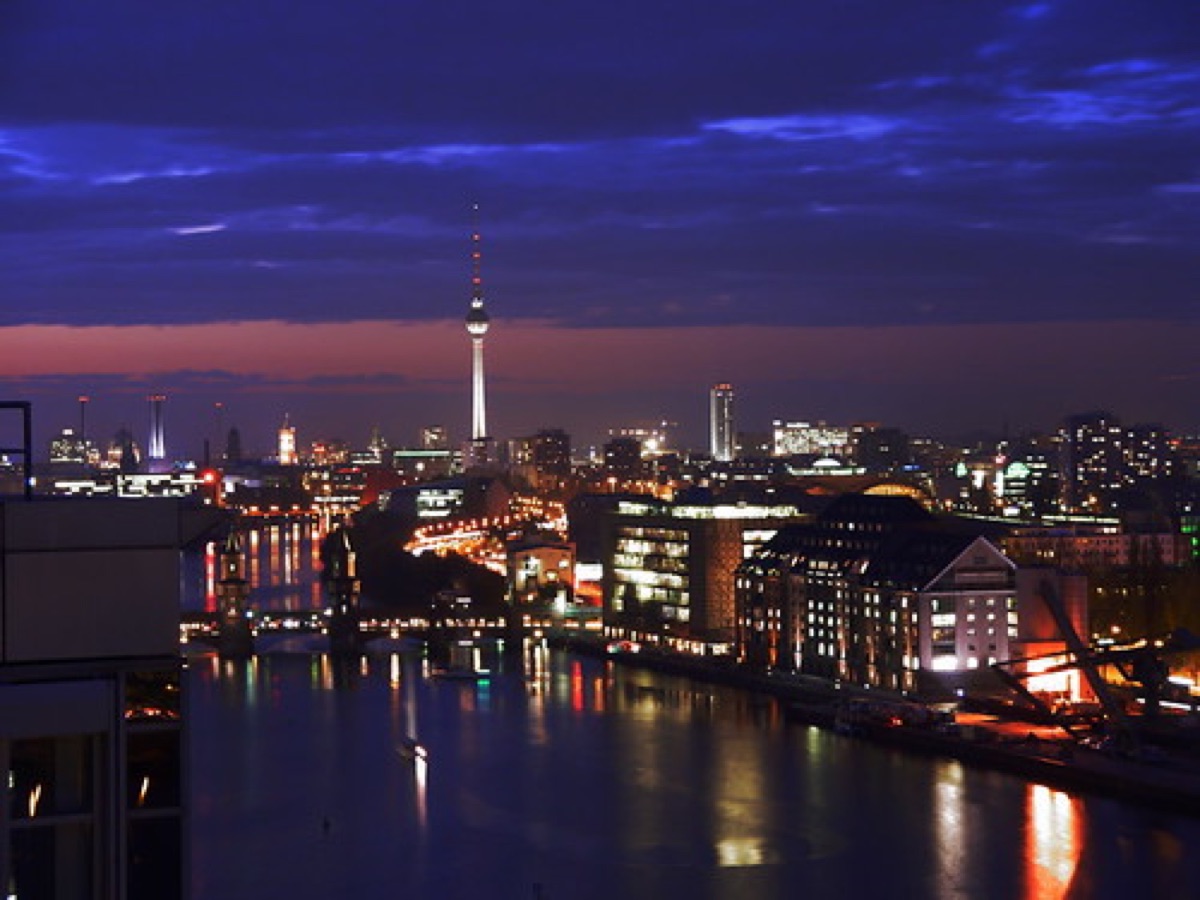
What social crises will hit in the mid-2020s? A street performer plays a violin in a bustling Berlin square, surrounded by a crowd that represents a mosaic of global backgrounds. In this urban setting, the reality of modern German life is both vibrant and complicated.
Social cohesion remains a central theme in public discourse. The balance between maintaining a robust welfare state and ensuring fiscal sustainability is a constant struggle for the government.
Regional disparities highlight the uneven nature of this challenge; for instance, only 3.9% of the population suffers from poverty in Bavaria, while 15.2% of Berlin's inhabitants are poor.
These numbers reflect the different realities of living in a wealthy southern state versus a major metropolitan hub. Additionally, the evolving nature of labor market inclusion means that different demographics face unique hurdles in finding stable work.
While the social safety net is strong, the cost of maintaining it is rising as the demographic needle moves.
These internal pressures often dictate the direction of national policy and political stability.

How Does the Current Political Landscape Address These Headwinds?
A late-night meeting in the Bundestag shows lawmakers debating the fine print of a new energy subsidy. The atmosphere is heavy with the weight of decisions that will affect the country's industrial competitiveness for decades.
The political landscape is defined by the struggle to balance energy transition goals with the need to keep industry competitive.
There is often a lack of consensus on the necessary structural reforms, as different political factions weigh the immediate impact on voters against long-term national interests.
The influence of the European Union also plays a massive role, as EU frameworks both provide a buffer against economic volatility and impose strict regulations that local industries must navigate.
Public opinion remains a powerful force, often pushing the government toward more cautious or populist-leaning policies. The success of any reform depends on its ability to gain public acceptance in a society that is increasingly divided on issues of migration, climate change, and economic equity.
Understanding these political dynamics is essential to understanding what true growth looks like.
What Does "Growth Potential" Mean in the Context of 2026?
A technician carefully installs a new solar panel on a factory roof, marking the transition from old energy to new. This small act represents the larger, more complex effort to redefine what productivity means in the modern era.
According to the OECD, the Germany social security system comprises roughly 25% of GDP, which is high among OECD members.
In 2026, "growth" is no longer just about rising GDP numbers; it is about sustainable development. While the 0.2% growth seen in 2025 was a baseline, the true potential lies in the successful adoption of AI, renewable energy, and automated manufacturing.
The timeline for stabilizing the labor pool through demographic shifts is long, meaning the current generation must invest heavily in the technologies that will support them.
The interplay between successful adaptation and the risk of stagnation is the defining characteristic of this era. If Germany can successfully transition its industrial base and integrate its changing population, it can maintain its leadership.
If not, the demographic and economic pressures may lead to a period of prolonged contraction.
| Feature | Traditional Industrial Model | 2026 Transition Model |
|---|---|---|
| Primary Driver | Manufacturing & Export | Digitalization & Green Tech |
| Labor Source | Domestic Birth Rates | Migration & Automation |
| Energy Focus | Fossil Fuel Stability | Renewable Integration |
| Social Priority | Welfare Maintenance | Structural Reform |
Summary of Economic and Social Indicators
- Analyze the GDP Baseline: Recognize that the 0.2% growth in 2025 serves as a starting point for modernizing the economy.
- Address the Dependency Ratio: Plan for the rising costs of a social security system that represents 25% of the GDP.
- Bridge Regional Gaps: Develop strategies to address the disparity between low-poverty regions like Bavaria (3.9%) and higher-poverty urban areas like Berlin (15.2%).
- Leverage Migration: Utilize the diverse workforce provided by international migration to offset the shrinking domestic labor pool.
- Invest in Innovation: Shift focus toward AI and renewables to ensure that growth is sustainable and not just a temporary recovery.
#





Comments 0