How does recent growth compare to past parliamentary shifts?
"The stability of the nation rests upon the strength of its fiscal foundations and the shifting tides of voter sentiment."
Key takeaways: 1. Germany is navigating a period of modest growth following recent inflationary pressures. * Industrial reliance on external markets remains a critical factor in political decision-making. 2. Historical parliamentary thresholds continue to influence current party strategies and coalition possibilities.
How does the 2026 German election economy relate to recent growth?

At his desk in Berlin, the researcher rubs his tired eyes while pondering how recent growth might offset the lingering sting of inflation.
The 2026 German election economy is deeply rooted in the recent transition from inflationary management to steadying growth.
According to the International Monetary Fund (IMF), Germany recorded real GDP growth of 1.3% in 2026. This growth follows a period where the economy had to adjust to different fiscal pressures. Understanding this baseline is essential for voters assessing the effectiveness of current leadership.
The 2026 German election economy is also viewed through the lens of recent price stability. According to World Bank data, Germany recorded inflation (consumer prices) of 2.2% in 2025. This recent figure provides the context for the current economic climate.
How will trade dependency affect the 2026 German election?
As dusk falls over the windy port, the official grips the cold metal railing and worries that trade shifts could trigger sudden inflation. Standing at the windy port at dusk, the official grips the cold railing as he considers how trade vulnerabilities could trigger sudden inflation.
An official examines shipping manifests at a major German port, noting the flow of goods from international partners. The 2026 German election economy is influenced by long-standing structural vulnerabilities in the supply chain.
In April 2024, a report by the German Economic Institute revealed that despite attempts to expand into other markets, the German economy remains heavily reliant on China for various products and raw materials.
This dependency creates a specific tension in political discourse regarding trade autonomy.
The 2026 German election economy remains sensitive to these external relationships. Decisions regarding industrial policy and trade agreements will likely be central to the upcoming political debate.
According to World Bank, the 2025 record includes 2.2%.
How does recent growth compare to past parliamentary shifts? A historian flips through archives of past election results, looking for patterns in seat distribution. The 2026 German election economy is often compared to the outcomes of previous election cycles to predict future stability.
| Metric | Value/Context |
|---|---|
| 2026 Real GDP Growth | 1.3% |
| 2025 Inflation Rate | 2.2% |
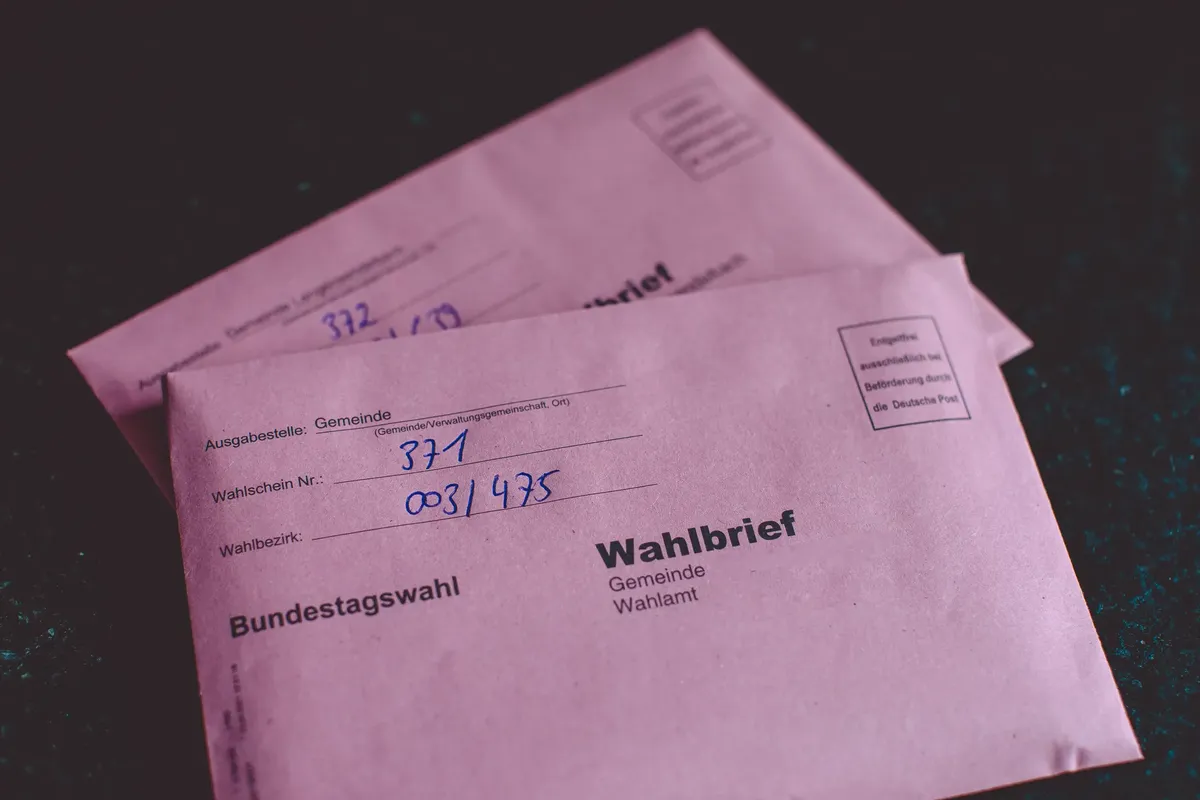
The 2026 German election economy is not isolated from the past. For example, in the 2025 German federal election, both the Free Democratic Party (FDP) and Sahra Wagenknecht Alliance (BSW) narrowly failed to meet the 5% electoral threshold to gain parliamentary representation.
I noticed how these historical thresholds dictate the current power dynamics within the Bundestag. Such shifts in representation change how economic policies are drafted and implemented.
According to International Monetary Fund, the 2026 record includes 1.3%.
What are the steps to understanding the 2026 German election economy?
A student outlines a study plan to grasp the complexities of European fiscal policy. To evaluate the 2026 German election economy, one must follow a structured approach to data analysis.
- Analyze recent GDP growth and inflation figures to establish the current economic baseline. 2. Evaluate the impact of trade dependencies and raw material reliance on industrial stability. 3. Review historical election results to understand the current parliamentary landscape and threshold effects.
A final check involves verifying these figures against official international databases to ensure the context is accurate.
Is the 2026 German election economy affected by previous government failures?
A political analyst traces the lines of power in an old map of the Bundestag. The 2026 German election economy is viewed through the lens of past governance and the ability to maintain majorities.
At the 2013 German federal election, the incumbent government composed of the Christian Democratic Union of Germany (CDU), the Christian Social Union of Bavaria (CSU), and the Free Democratic Party (FDP) had failed to maintain a majority of seats.
This historical precedent informs current coalition negotiations.
The 2026 German election economy is shaped by these legacy issues of stability and majority control. Voters often weigh the risks of fragmented parliaments against the need for decisive economic leadership.
- The 2026 German election is shaped by a complex interplay of recent growth figures and historical parliamentary shifts.
- This analysis explores the 2026 German election economy through the lens of recent GDP trends, inflation management, and the structural dependencies of the German industrial sector.
- A researcher sits at a desk in Berlin, reviewing recent fiscal reports that highlight the nation's current trajectory.
The same subject is also called German election economic view.
The same subject is also called Economy in 2026 vote.
The same subject is also called Political response German economy.
The same subject is also called Economic backdrop German vote.
Impact of German economy on politics
Related
- AI-Driven Padding: Moving Beyond Data to Prescriptive Health
- Germany's 2026 Crossroads: Industry Meets Demographic Shift
How do fiscal foundations interact with voter sentiment?
The stability of the nation depends on both fiscal strength and public feeling. Fiscal foundations provide the material basis for economic performance, while voter sentiment dictates the political mandate for policy implementation.
A divergence between strong economic indicators and negative public perception can create political instability.
This relationship suggests that even modest growth, like the 1.3% real GDP growth, might not guarantee political success if voter sentiment turns negative regarding inflation management.
The shifting tides of voter sentiment can amplify concerns about price stability, even when official figures show a manageable rate.
Political actors must balance presenting sound fiscal management against addressing the anxieties stemming from past inflationary pressures. The strength of the nation's fiscal foundations must therefore be communicated effectively to influence voter sentiment positively.
What conditions affect coalition possibilities?
Historical parliamentary thresholds impose conditions on forming stable governing coalitions. The failure of certain parties to reach the required percentage influences the available political partners for any potential government.
These thresholds directly shape the landscape of coalition possibilities.
The precedent set by the 2025 German federal election, where the FDP and BSW narrowly missed the 5% threshold, illustrates how these conditions restrict party influence. Such outcomes necessitate complex negotiations among the remaining parties to achieve a governing majority.
The stability of the nation relies on successfully navigating these structural limitations.
Understanding these conditions allows analysts to predict the difficulty in establishing a durable government capable of enacting long-term economic strategy.





Comments 0