How did the German manufacturing share change?
"The era of steady growth has given way to a period of contraction and political shifts."
The German manufacturing sector is navigating a complex era of economic contraction and shifting political landscapes. This article examines the relationship between industrial decline and the rise of populist movements, highlighting how economic instability influences voter behavior.
Key takeaways include the impact of GDP contraction on social stability, the role of industrial output in political shifts, and the historical context of Germany's economic standing.
How did the German manufacturing share change?
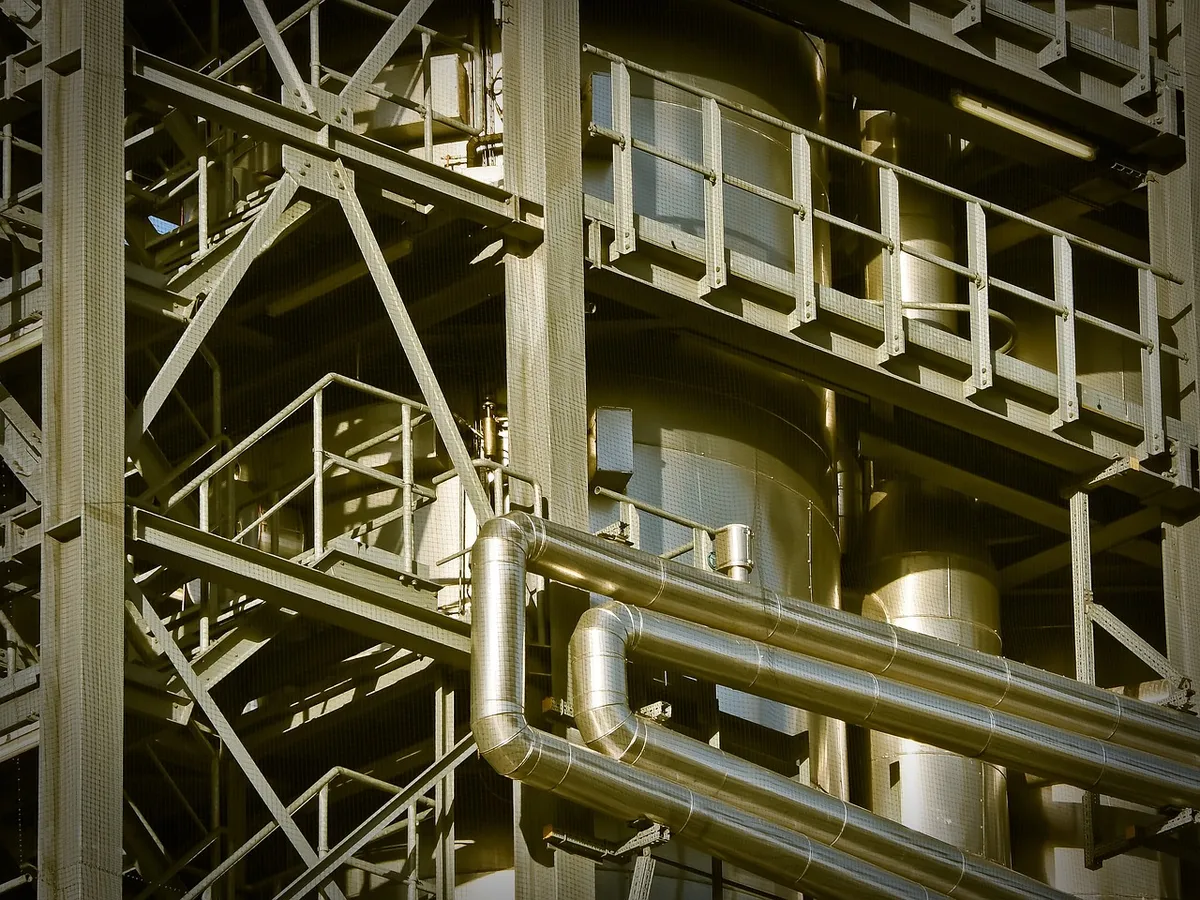
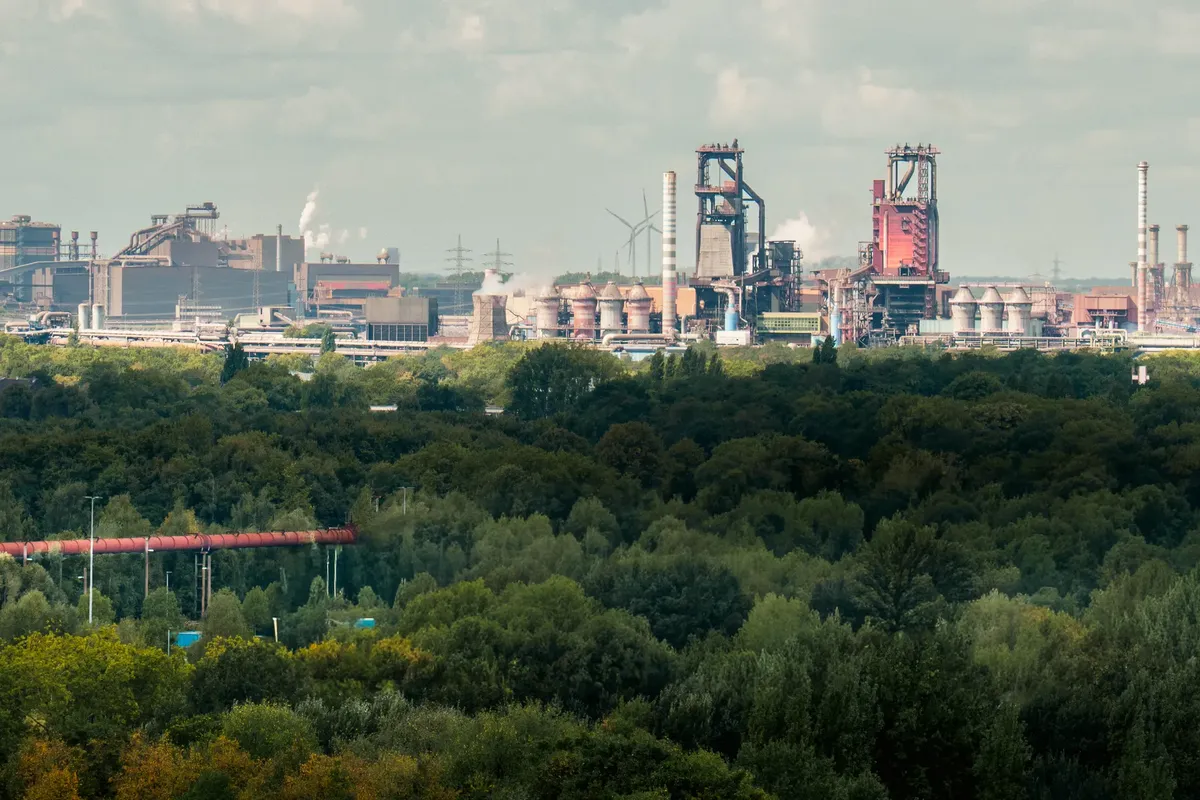
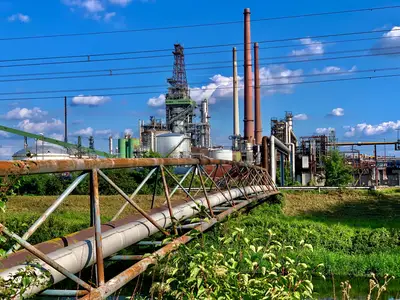
A factory worker watches the assembly line slow down as the economic landscape shifts. According to World Bank data, Germany recorded a manufacturing share of GDP of 17.6% in 2025.
This figure represents the weight of industrial production within the broader national economy during a period of transition.
The stability of this sector has traditionally anchored the nation's economic identity. For decades, the industrial output served as a primary driver of stability and employment. However, shifts in global production rankings have altered the domestic landscape.
This global hierarchy places Germany among the top producers but highlights the competitive pressures faced by European industry.
The German manufacturing share of GDP reflects the nation's ability to maintain its industrial relevance. As global competition intensifies, the domestic economic structure undergoes constant pressure.
What caused the recent economic contraction?
In the quiet office, a man brushes dust off his desk as the chilling scent of decline settles over the German landscape.
An empty office in a commercial district stands silent after a period of zero growth.
The country, which had been considered to be Europe's economic powerhouse in prior decades, became the worst-performing major economy globally in 2023 with a 0.9% contraction, followed by further 0.5% contraction in 2024 leading to recession.
This downturn marked a significant departure from the period of economic strength experienced between 2005 and 2019. During those years, employment in Germany had grown by over 15%, rising from 39.3 million to 45.3 million people.
The transition from growth to recession created a vacuum in economic certainty.
The contraction was characterized by periods of negative growth that challenged the previous "labour market miracle." As the economy shrank, the social and political implications of the downturn became increasingly visible.
The German economic crisis was defined by consecutive quarters of decline. This trend challenged the long-standing status of the nation as a primary economic leader in Europe.
According to World Bank, the 2025 record includes 17.6%.
How did political movements react to the recession?
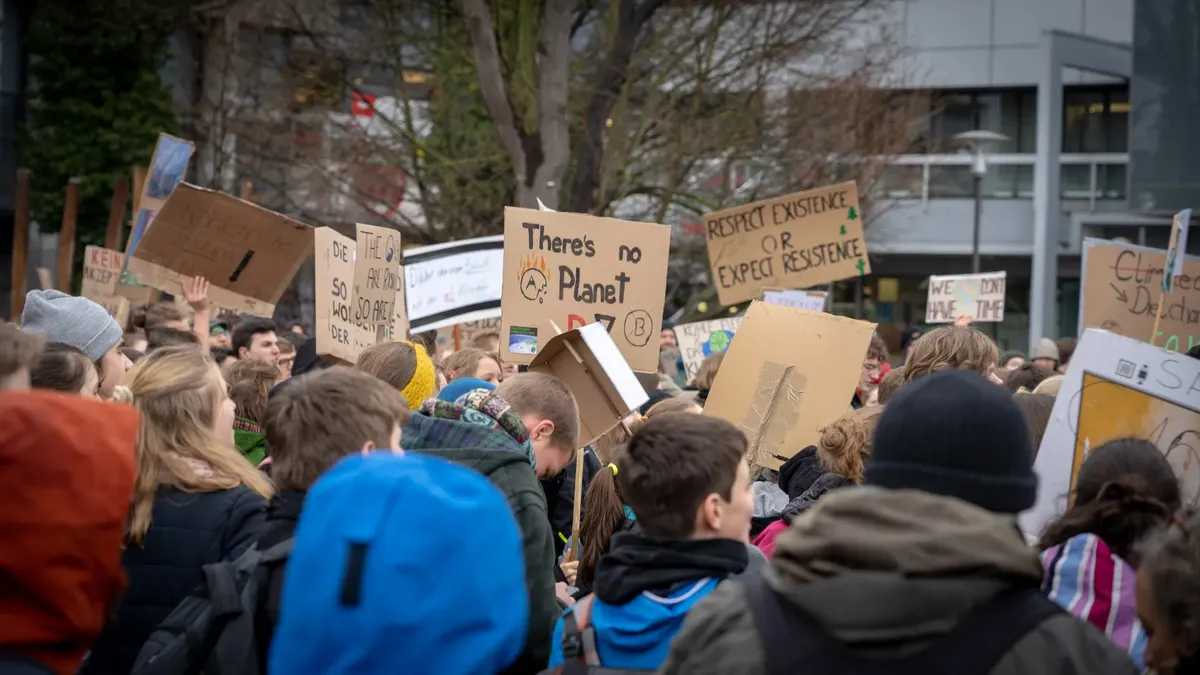
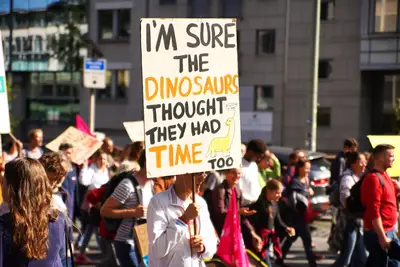
A political rally draws crowds as voters discuss the economic future. Alternative populist political movements such as the right-wing Alternative for Germany or the left-wing Sahra Wagenknecht Alliance have conversely gained traction.
These movements often find support during times of economic instability.
The rise of these groups is often linked to the perceived failures of traditional leadership to manage economic volatility. When the economy contracts, voters frequently look toward alternative political paths.
The shift in the political landscape occurs alongside fluctuations in the job market and industrial output. Such shifts can be driven by fears of job loss and the changing nature of the economy.
The social base of far-right movements often intersects with regions experiencing industrial decline. This intersection creates a complex dynamic between economic reality and political identity.
According to United Nations Industrial Development Organization, the 2023 record includes 28.7%.
What are the specific industry challenges?
A construction site remains quiet with unfinished structures standing against the sky. In April 2024, the ifo Institute, a prominent economic research center in Munich, reported that over half (55.2%) of the companies in Germany's residential construction sector cited a lack of orders.
This lack of demand in specific sectors highlights the uneven nature of the economic downturn. While some industries remain active, others face significant hurdles due to reduced investment and consumer spending.
Additionally, 17.6% of German construction companies reported project cancellations, a slight improvement from 19.6% in March. These figures illustrate the volatility within the residential sector.
The industrial decline impact is felt most acutely in sectors like construction. This volatility can lead to a broader sense of economic insecurity among the workforce.
What is the current state of the market?
A trader monitors a screen showing declining market indices in a quiet office.
The Weil European Distress Index, a comprehensive survey of 3,750 European listed companies across various industries and economic indicators, reported in April 2024 that Germany had become "the most distressed market in Europe."
This designation reflects the severity of the economic situation relative to its neighbors. The distress index captures the cumulative weight of industrial, fiscal, and social pressures.
The economic situation is further complicated by fiscal rules and budget disagreements.
A budget crisis was complicated by disagreements on circumventing the debt brake, a fiscal rule implemented in 2009 to limit the budget deficit to only 0.35% of GDP and cap the debt that federal and state governments can issue annually.
The current economic state is a result of both global trends and domestic policy constraints. These factors combine to shape the modern German economy.
How does social security relate to the economy?
A retiree reviews monthly documents at a kitchen table. The Germany social security system comprises roughly 25% of GDP, which is high among OECD members. This significant portion of the economy is tied to the welfare of the population.
The high percentage of GDP dedicated to social security reflects the nation's commitment to social stability. However, this also means the system is sensitive to economic contractions and changes in the workforce.
Maintaining this level of support requires a stable economic base. As the industrial sector faces challenges, the sustainability of such a large social safety net becomes a topic of discussion.
The relationship between the social security system and the GDP is a cornerstone of the German economic model. This structure provides a buffer but also presents fiscal challenges during recessions.
Wikipedia: Germany Based on the retained excerpt mentioning United Nations Department of Economic: In 2015, following the 2015 refugee crisis, the Population Division of the United Nations Department of Economic and Social Affairs listed Germany as host to the second-highest number of international migrants worldwide, about 5% or 12 million of all 244 million migrants.
Wikipedia: Manufacturing Based on the retained excerpt mentioning United Nations Industrial Development Organization: According to the United Nations Industrial Development Organization (UNIDO), China is the manufacturer with the highest output worldwide in 2023, producing 28.7% of the total global manufacturing output, followed by the United States of America, Germany, Japan, and India.
- How did the German manufacturing share change?
- What caused the recent economic contraction?
- How did political movements react to the recession?
Related




Comments 0