German far right rise: Factors behind voter sentiment shift
"The 2025 German election: far-right surge and coalition collapse."
The recent shift in German politics involves a significant surge in far-right support alongside a breakdown in traditional governing structures. This analysis explores the factors behind this German far right rise and the questions surrounding the stability of current political alignments.
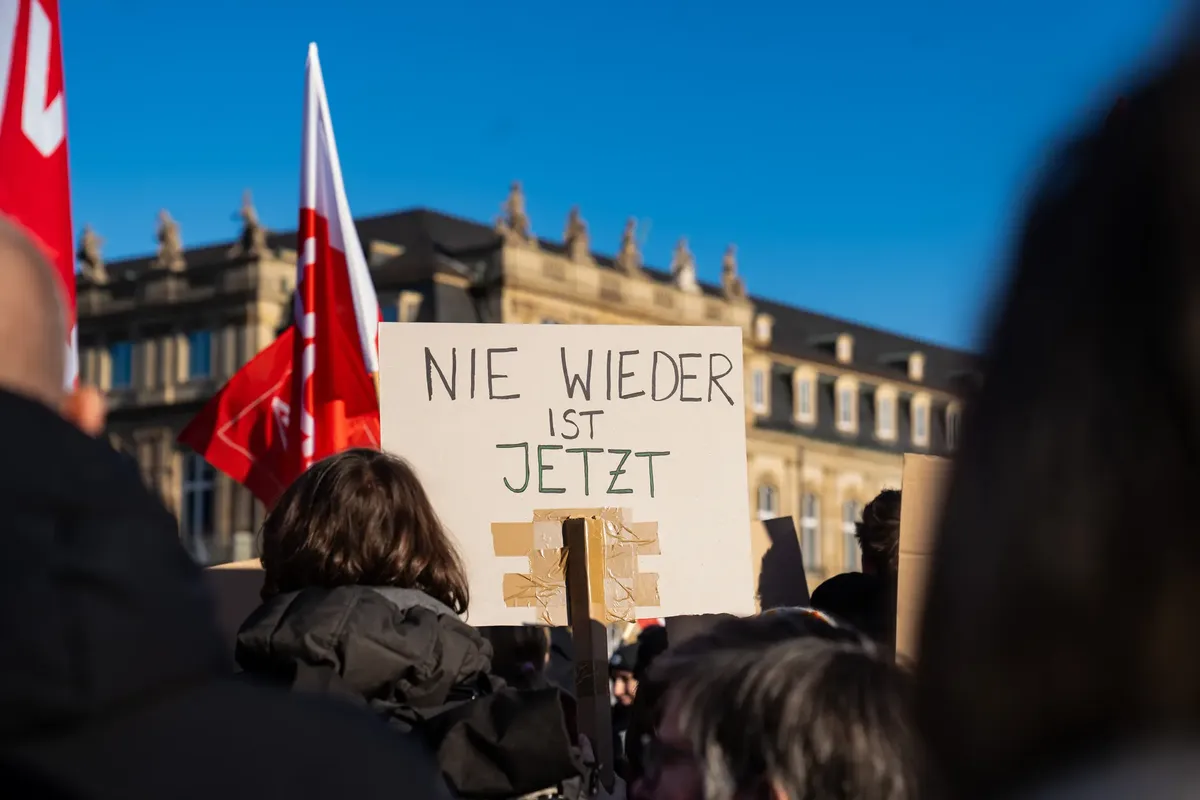
Key takeaways include the impact of election outcomes on coalition dynamics and the changing landscape of voter priorities.
What caused the rise of the far right in Germany? A quiet observer watching the television news in a Berlin cafe might see the headlines reflecting a massive shift in voter sentiment. The questions regarding why this movement gained momentum remain central to understanding the current political atmosphere.
According to the European Consortium for Political Research (ECPR), the 2025 German election was characterized by a far-right surge and a subsequent coalition collapse. This shift suggests that traditional political boundaries are being redefined by changing electorate demands.
The German right wing power appears to have grown through specific electoral shifts that challenged established norms.
However, these causal factors may not apply to regions with different socioeconomic profiles.
How did the election change German political change? German far right rise
A voter marking a ballot in a quiet polling station reflects on the questions of stability and leadership. The questions regarding the immediate consequences of these election results are vital for understanding the new status quo.

The election results directly influenced the ability of parties to form stable governments. This German political change was driven by a surge in support that disrupted previous power-sharing agreements.
The shift in the electorate has forced a reevaluation of how coalitions are built and maintained in a fractured landscape.
I find that the second point in this progression is the most significant.
What will far-right political shifts mean for me? A policymaker reviewing election data in a government office contemplates the long-term effects on national governance. The questions regarding how these shifts will reshape policy and international relations are increasingly urgent.
The surge in support for far-right parties has led to questions about the future of coalitional governance. This far right political shift has created a more fragmented parliament, making consensus-building more difficult.
The changing landscape suggests that traditional parties must adapt to a new reality where fringe movements hold significant leverage.
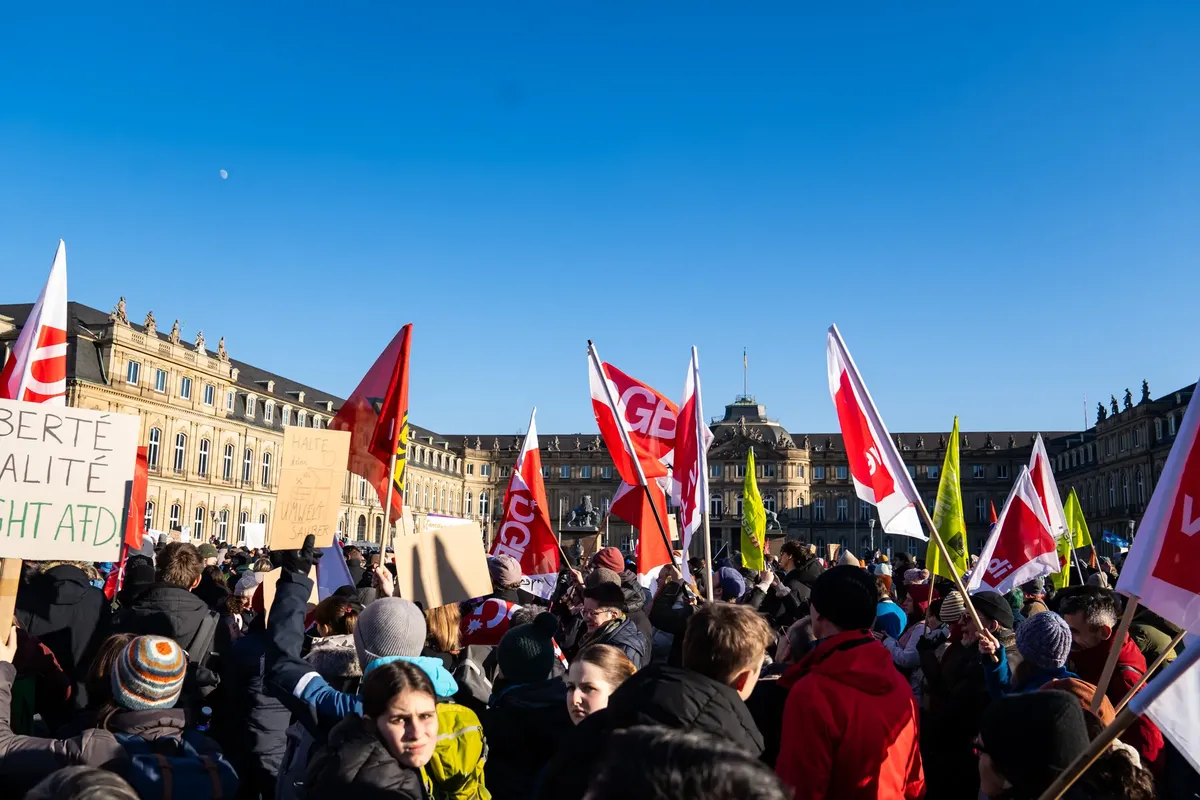
The scope of these implications remains limited in stable institutional environments.
How do voters navigate German election shifts?
A citizen discussing politics at a local community center questions the direction of their country. The questions regarding voter motivation and the psychological drivers of these shifts are frequently debated.
The election results indicate a profound change in how voters interact with the political system. These German election shifts were not merely statistical anomalies but reflected deep-seated changes in voter priorities.
The movement toward the right has challenged the stability of the existing political order.
I note that the second step in this process is the most extensive.
What are the specific factors in this shift?
A researcher looking at data tables questions the underlying causes of such a rapid change. The questions regarding specific policy drivers and social tensions are at the heart of the analysis.
The surge was characterized by a combination of domestic issues and a breakdown in traditional coalition-building. The election results showed a distinct pattern of support that bypassed traditional political structures.
This shift has left questions about the sustainability of the new political landscape.
These factors do not necessarily dictate outcomes in every demographic context.
- What caused the rise of the far right in Germany?
- How did the election change German political change?
- What will far-right political shifts mean for me?
The subject here is German far right rise.
The same subject is also called Right wing public mood.
This part also covers Why German extremists grow.
This part also covers Far right political trends.
Related
- Germany weekly social issues: 25% GDP social security system
- How do legal systems affect social stability?
How do different regions experience the German election shifts?
Regional variations complicate the interpretation of the overall German election results. The impact of the far-right surge differs based on local socioeconomic conditions. These differences suggest that a singular explanation for the German election trends is insufficient. The analysis must account for localized voter concerns.
The patterns observed in the German election across various areas require careful scrutiny. Certain demographic groups responded to the political changes in ways distinct from others. This necessitates a nuanced look at how the German electorate processes political messaging.
What are the conditions for coalition stability post-election?
Coalition stability following the German election depends heavily on the willingness of parties to compromise. The fragmented parliament resulting from the German election makes consensus difficult to achieve. Parties must negotiate across ideological divides to form a governing body. The success of any future German government hinges on this capacity for negotiation.





Comments 0