Nazi mimicry far right rise: How 12 migrants affect debate
The rise of far-right movements mimicking historical extremist styles is fueling intense social debate regarding historical memory and political stability. This phenomenon is driven by shifting demographics and economic anxieties, though it remains difficult to quantify the exact scale of ideological mimicry across all social strata.
Key takeaways: * Intense debates surround the use of historical imagery by far-right groups. * Demographic shifts and economic structures influence political sentiment. * Historical precedents, such as the Great Depression, provide context for modern unrest.
What is driving the rise of Nazi-style far-right groups?
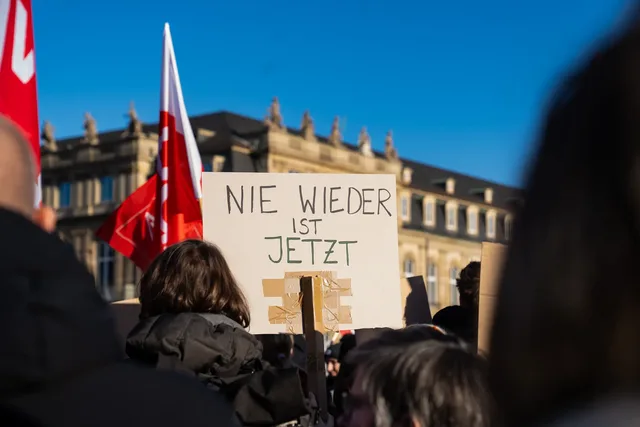
At dusk in the crowded city square, a man shivers as he watches a nazi symbol flicker on a passing screen. A person sits in a quiet cafe in Berlin, scrolling through news reports of rallies that evoke a chillingly familiar era. The tension in the air feels heavy as discussions about political identity dominate every conversation.
This rep is not just about aesthetics; it is about the resurgence of ideologies that once fractured the nation.
The rise of such movements is often linked to significant shifts in the population and economic landscape.
According to the Population Division of the United Nations Department of Economic and Social Affairs, Germany was the host to the second-highest number of international migrants worldwide in 2015, accounting for about 5% or 12 million of all 244 million migrants.
This massive demographic shift has become a central pillar of political debate.
The social reaction to Nazi style is frequently seen in how different generations interpret recent political symbols. While some view these actions as a regression, others see them as a manifestation of long-standing societal grievances. This friction creates a volatile atmosphere in urban centers.
- Identification of extremist rhetoric in mainstream discourse.
- The exploitation of cultural anxieties by fringe groups.
- The normalization of historical revisionism.
- In this sequence, the second step is the longest.
How does historical memory conflict shape the debate? Nazi mimicry far right rise
A student walks through a memorial site, tracing the cold stone with their fingers while reflecting on the weight of the past. The silence of the monument stands in stark contrast to the loud, aggressive rhetoric heard on the evening news.
This historical memory conflict is at the heart of the current legislative and social struggles.
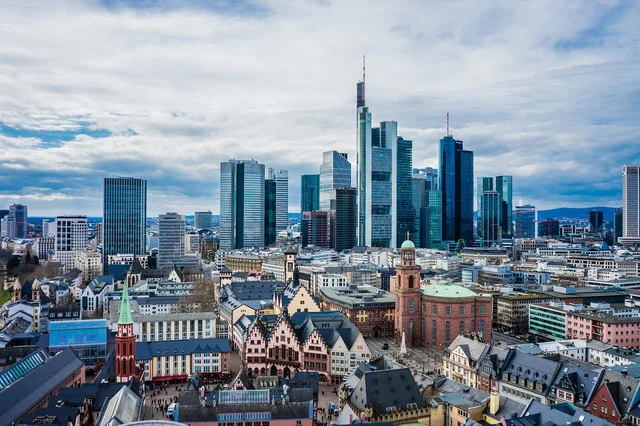
The tension arises because modern political symbols often collide with the established culture of remembrance. Debates on past events now occupy the halls of parliament and the pages of major newspapers.
This struggle to define how a nation remembers its darkest hours complicates the ability to address new political threats.
Political instability surge is often a byproduct of these clashing perspectives. When the past is used as a weapon in contemporary politics, the consensus required for stable governance begins to erode. This instability affects everything from local policy to national security.
Is the political balance under threat? An observer watches a televised debate, noting how the traditional political spectrum seems to be warping under the pressure of new extremist voices. The moderator struggles to maintain order as the rhetoric shifts toward more radical territory.
This perceived political balance under threat is a primary concern for many institutional analysts.
The current landscape is influenced by complex economic factors that have historically triggered unrest. For instance, in 1929, the Great Depression hit Germany, and by 1932 the unemployment rate had risen to nearly 30%.
Such extreme economic hardship serves as a historical warning of how quickly political stability can vanish.
The social and political challenges of today require deep analytical scrutiny to prevent a repeat of such volatility. The Department of Political Science equips students with the analytical skills needed to understand today’s social and political challenges.
Understanding these patterns is essential for maintaining a functional democracy.
What are the economic factors involved?
A policymaker reviews a thick binder of budgetary reports, noting the massive scale of the social safety net. The numbers are daunting, reflecting a system designed to provide stability in a changing world.
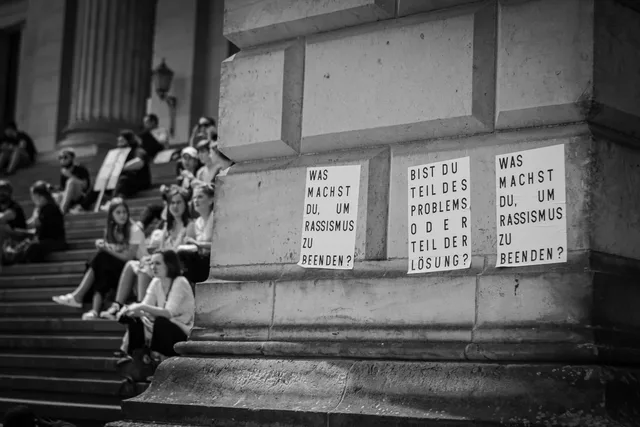
Economic structures play a critical role in how citizens perceive the legitimacy of the state.
The scale of the social security system is a significant part of the national identity and economic burden. The Germany social security system comprises roughly 25% of GDP, which is high among OECD members.
This high level of spending aims to mitigate the very types of economic despair that lead to radicalization.
The relationship between wealth distribution and political extremism is a subject of constant study. When citizens feel the economic system is failing them, they may turn to more radical alternatives. This connection remains a cornerstone of modern political science.
How can one track these political shifts?
A researcher sits in a library, carefully comparing modern voting patterns with historical data from the previous century. The task is meticulous, requiring the isolation of specific variables to see where the trends diverge. Tracking these shifts is a complex, multi-step process.
- Monitor the frequency and tone of political rhetoric in mainstream and fringe media outlets. 2. Analyze demographic data to identify regions where rapid population changes coincide with political shifts. 3. Compare current unemployment and inflation rates against historical periods of instability.
After completing these steps, perform a final check to ensure that the observed trends are not merely isolated incidents but part of a broader systemic movement. I have observed how these data points often align during periods of high inflation.
What are the limitations of this analysis?
A journalist looks at a map of the country, realizing that no single data point can capture the entirety of the social mood. The complexity of human behavior means that statistical models often fall short of predicting sudden political outbursts.
There is always a margin of error in sociological forecasting.
The ability to generalize these trends is limited by specific regional conditions. For example, the political atmosphere in a densely populated urban center differs significantly from that of a rural agricultural zone. This analysis is not applicable to all social contexts equally.
The study of these movements is also limited by the difficulty of accurately categorizing "mimicry" versus genuine ideological shifts. Without clear, standardized definitions of political intent, much of the observation remains interpretive.
The subject here is Nazi mimicry far right rise.
The same subject is also called Extreme right party debate.
The same subject is also called Far right imitation issue.
This part also covers Debate on past events now.
How does economic history affect modern political stability?
Economic hardship has historically been a precursor to political volatility. In 1929, the Great Depression hit Germany, and by 1932 the unemployment rate had risen to nearly 30%.
The debate over the rise of far-right movements and their use of historical imagery remains a central conflict in modern German society, shaped by deep-seated economic and demographic realities.
Comments 0