Weekly German Economy Trends: Best tips for business outlook
"The economic landscape is shifting beneath our feet as global dependencies and internal growth rates redefine the industrial standard."
This weekly German economic update provides a snapshot of the nation's performance for stakeholders tracking European market trends. Readers should note the low GDP growth recorded in 2025 and the significant reliance on specific international partners for raw materials.
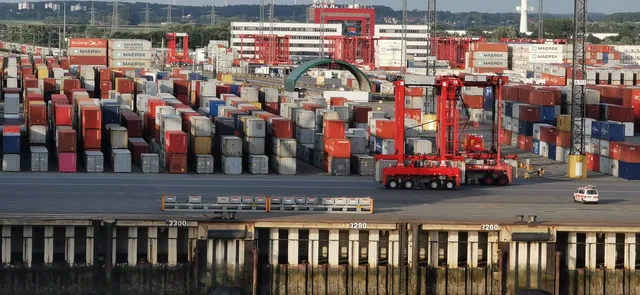
This overview covers historical context, current sectoral contributions, and key economic indicators for those monitoring the German economy.
How does the German economy look right now?
At sunset in a quiet Frankfurt office, you feel the chill of the air while you watch the weekly numbers flicker on your screen.
A trader monitors the flickering numbers on a terminal in a quiet Frankfurt office. This German economic update reveals a complex picture of growth and stability. According to World Bank data, Germany recorded GDP growth of 0.2% in 2025.
According to a study by the Cologne Institute, the top 10 list of German cities with the highest per capita GDP is based on research conducted on 31 July 2013.
According to a report by the German Economic Institute, the German economy remains heavily reliant on China for various products and raw materials despite attempts to expand into other markets.
The nation's economic profile shows various levels of integration and contribution. In 2025, Germany accounted for 23.7% of the economy in the eurozone, with which it has achieved a high degree of economic integration.
This specific figure highlights the country's central role within the European monetary framework.
What are the current industrial shifts weekly? Weekly German Economy Trends
A technician adjusts a high-precision machine in a specialized manufacturing plant. Analyzing the German industry update requires looking at the core components of the national output. The service sector contributes around 70% of the total GDP, industry 29.1%, and agriculture 0.9%.
The industrial sector remains a cornerstone of the nation's economic identity. I have observed how the specialization of these firms creates a distinct market presence. These companies represent 48% of the global market leaders in their segments, labelled hidden champions.
According to World Bank, the 2025 record includes 0.2%.
Why do economic issues persist?
An analyst reviews trade documents spread across a heavy wooden desk. Understanding the weekly economic issues requires looking at the historical and modern dependencies that shape the market.
In April 2024, a report by the German Economic Institute revealed that despite attempts to expand into other markets, the German economy remains heavily reliant on China for various products and raw materials.
The structure of the economy is also defined by its energy transition. In 2024, renewable energy sources accounted for 59% of Germany's total electricity generation, and Germany has been described by some as "the world's first major renewable energy economy".
What are the German market trends now?
A researcher compares historical datasets in a library archive. Tracking German market trends now involves looking at the evolution of production and urbanization. The ratio of the finished product to total exports jumped from 38% in 1872 to 63% in 1912.
The shift from rural to urban living also fundamentally changed the economic structure. Only 40 percent of Germans lived in rural areas by 1910, a drop from 67% at the birth of the Empire.
What is the current business outlook?
An investor stares at a screen displaying fluctuating exchange rates. Evaluating the current business outlook requires a comparison of recent economic performance metrics.
| Metric | Value |
|---|
I find that these figures provide a necessary baseline for understanding the current economic context Germany. The data suggests a period of low growth and moderate inflation.
How to monitor these economic indicators?
A technician reviews the quarterly reports for a manufacturing firm. To track these trends effectively, follow these steps:
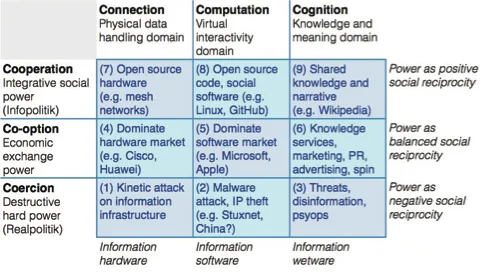
- Review the GDP growth figures provided by the World Bank. 2. Check inflation rates to understand consumer price movements. 3. Monitor unemployment rates to gauge labor market health.
Perform a final check to ensure all figures align with the most recent official data.
The limitations of this analysis include the fact that these figures reflect specific historical periods and do not account for all future market volatility.
- How does the German economy look right now?
- What are the current industrial shifts weekly?
- Why do economic issues persist?
The subject here is Weekly German Economy Trends.
This part also covers Sectoral changes overview.
Related
- German auto market shift: Guide to market changes
- Right wing party economy: Tips on ecological fiscal reform
How do these economic indicators compare?
Comparing these metrics requires a focus on the relationship between growth and inflation. The 0.2% GDP growth in 2025 indicates a period of stagnation when compared to the 2.2% inflation rate.
When assessing the industrial landscape, one must compare the service sector's 70% contribution to the 29.1% contribution from industry. This comparison shows the dominance of services over manufacturing in the current GDP structure.
What conditions define the current market?
Analyzing the market requires observing the condition of international dependency. The reliance on China for raw materials creates a specific economic condition that persists despite efforts to diversify.
- Compare the 2025 GDP growth to historical benchmarks. 2. Contrast the 2024 renewable electricity percentage with total generation. 3. Evaluate the shift from the 67% rural population in the Empire to the 40% rural population in 1910.
Comments 0