Social culture topics: Weekly social culture topics guide
This weekly overview tracks the evolving social and cultural landscape in Germany, providing context for those monitoring European societal shifts. This guide focuses on identifying current social trends and examining cultural flow context to help busy professionals grasp the underlying patterns of change. You will find key takeaways on the week's developments, including the specific focus on societal evolution trends and the limitations of analyzing cultural shifts without real-time granular data.
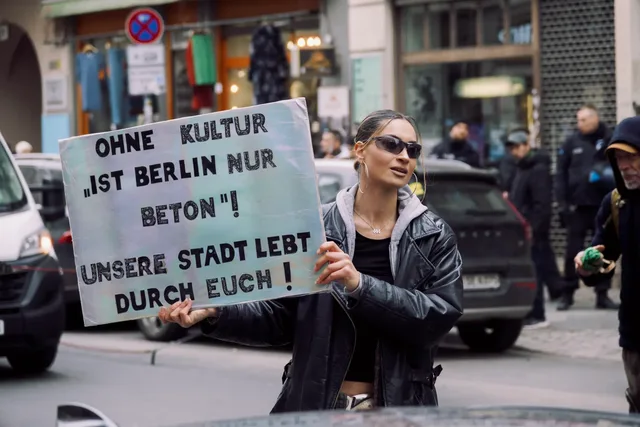
* Analysis of emerging social trends within the German population. * Examination of the cultural flow context shaping public discourse. * Tracking societal evolution trends across major urban centers.
What are the weekly social culture topics in Germany?
A quiet observer watches the shifting demographics in a crowded Berlin café, noting how conversation topics transition from local festivities to broader continental debates.
We aim to provide a clear view of how these elements interact to shape the German identity.
As digital spaces become the primary arena for social interaction, the traditional community structures are undergoing significant reorganization.
How do we track current social trends?
You squint at the bright monitor in your quiet office as you trace the rapid movement of a new social trend.
A researcher sits in a quiet library, cross-referencing demographic shifts with cultural output to find the thread connecting them. Tracking these patterns requires a methodical approach to understanding how individual behaviors aggregate into larger social movements.
According to official statistics from KOSIS, data regarding population, general society, and crime/safety can be used for verification.
To effectively monitor these changes, follow these steps: 1. Identify recurring themes in local media reporting. 2. Compare regional cultural events with national sentiment surveys. 3. Analyze the impact of digital platforms on local community engagement.
I find that monitoring these shifts requires looking past the immediate headlines to see the structural changes underneath. This method ensures that the focus remains on the actual societal evolution trends rather than passing digital noise.
This analysis is limited to observed cultural patterns and does not account for unrecorded private sentiments.
Why does the cultural flow context matter?
A photographer captures the vibrant street art in Munich, recognizing that these visual expressions are symptoms of deeper cultural shifts now. Understanding the context behind these expressions allows for a more profound grasp of the nation's direction.

Examining the cultural flow context is essential because it reveals the "why" behind the "what." When a specific social issue gains traction, it is often because it reflects a long-standing, unaddressed cultural tension.
By observing these patterns, we can better predict how future policy or social movements might emerge from the ground up.
What defines the current societal change focus?
A group of students discusses a new social policy in a university courtyard, their debate reflecting the broader societal change focus seen across the country. These micro-interactions serve as the building blocks for larger national shifts.
The current focus is centered on how demographic changes influence social cohesion. As the population ages, the way different generations interact is being redefined, creating new social norms and challenges.
These changes are not uniform across all regions, as urban centers often experience these shifts more rapidly than rural areas.
Are there specific cultural issues to watch?
A museum curator adjusts an exhibit, contemplating how modern installations reflect the evolving cultural issues of the 21st century. Even in a space dedicated to history, the influence of contemporary social shifts is palpable.
The primary cultural issues currently involve the balance between globalization and national identity. As Germany remains a central pillar of the European Union, the friction between supranational interests and local cultural preservation remains a constant theme.
This dynamic influences everything from language usage to the funding of local arts and cultural institutions.
How are these patterns analyzed?
A sociologist takes notes during a community meeting, recording how local reactions align with broader national trends. This process of connecting the local to the global is the core of our analysis.
| Aspect | Urban Trend | Rural Trend |
|---|---|---|
| Social Integration | High digital connectivity | High traditional community focus |
| Cultural Speed | Rapid adaptation | Gradual evolution |
The data suggests that while the pace of change varies, the underlying societal evolution trends are becoming more synchronized across the country due to digital interconnectedness.

- This weekly social culture topics overview identifies the specific intersection where traditional customs meet modern social pressures.
- The current cultural landscape is defined by the tension between rapid technological integration and the preservation of local heritage.
- This process involves analyzing weekly social issues to determine which patterns are temporary and which represent permanent shifts in the German social fabric.
The subject here is Weekly social culture topics.
The same subject is also called Weekly culture issues.
Analyzing weekly social issues
Related
- How does ICT capital influence energy use?
- German renewable energy challenges: Why balance energy needs
What are the limitations of this weekly overview?
- The analysis is restricted to patterns visible in public discourse and media reports. 2. The weekly overview cannot capture individual, unrecorded private sentiments. 3. The examination of cultural flow context relies on observable phenomena, which may not reflect deeper motivations.
The limitations of this weekly overview necessitate caution when extrapolating findings to the entire German populace. Because the guide focuses on identifying current social trends, the scope inherently excludes personal experiences that do not manifest in public arenas.
This condition must always be kept in mind when reviewing the weekly overview.
How does the weekly overview compare regional impacts?
- Urban centers demonstrate a faster rate of adaptation to new social norms compared to rural areas. 2. The connectivity level differs significantly, with urban trends showing high digital integration. 3. Rural trends maintain a stronger emphasis on established community structures.
The comparison between urban and rural trends shows a divergence in the speed of societal evolution. While the underlying trends may synchronize due to digital interconnectedness, the manner in which these changes manifest differs significantly across geographic areas.
This weekly overview highlights this disparity in regional experience.
The societal evolution trends reveal that the pace of change is not monolithic across Germany. The difference in cultural speed between metropolitan hubs and smaller locales provides a crucial point of comparison for understanding national diversity within the weekly overview.
This comparison helps frame the scope of the observed social shifts.
Comments 0