Crisis guide: How best transition German industry 17.6
The German manufacturing crisis stems from a widening gap between traditional industrial strengths and the rapid pace of digital technology innovation. This shift requires a fundamental transition from mechanical engineering excellence to software-driven production systems to maintain global competitiveness.
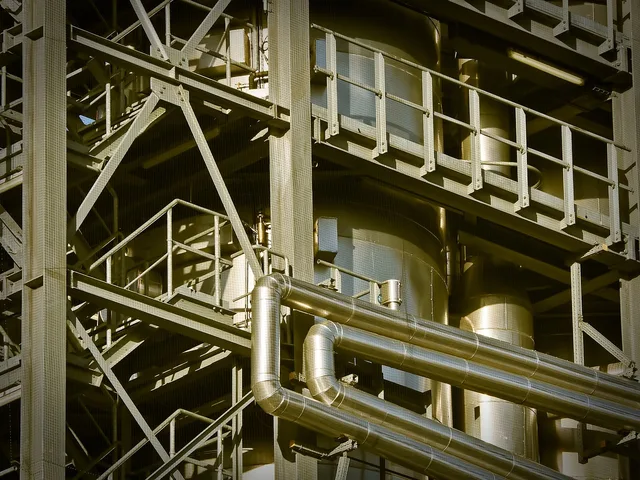
* Traditional manufacturing dominance is being challenged by the need for digital integration. * The manufacturing share of GDP in Germany was 17.6% in 2025, according to World Bank data. * Success depends on successfully navigating the industrial shift now through tech innovation impact.
What defines the German manufacturing crisis?
At midnight in the silent factory, a technician feels the cold metal of an idle machine that epitomizes the manufacturing crisis.
A heavy machine sits silent on a factory floor in North Rhine-Westphalia, its gears polished but its control systems are outdated. This scene represents the core of the rep, where mechanical precision meets a lack of digital agility.
The struggle is not about the quality of the steel, but the intelligence of the software driving the assembly.
The manufacturing decline is often discussed in the context of rising energy costs and the slow adoption of new digital tools. While German firms have long led in hardware, the global market is moving toward software-defined products.
This creates a tension between maintaining legacy excellence and investing in the future.
According to World Bank data, Germany recorded manufacturing share of GDP of 17.6% in 2025. This figure provides a baseline for understanding how much of the national economy still relies on industrial output.
The challenge lies in ensuring this percentage remains viable as the world moves toward automation.

In this sequence, the first step is the most critical.
How can firms navigate an industrial shift now?
An engineer stares at a screen, attempting to integrate cloud computing into a decades-old production line. This attempt at digitalization in German firms is a common sight in modern industrial hubs. To manage this transition, companies must move beyond incremental updates.
The manufacturing change trends suggest that companies cannot rely on mechanical superiority alone. Instead, they must focus on the following steps for a successful manufacturing transition:
- Audit existing hardware to identify components compatible with IoT sensors. 2. Implement standardized data protocols to allow different machines to communicate. 3. Retrain technical staff to focus on software maintenance and data analysis.
I watched a technician struggle to sync a legacy lathe with a new digital monitoring tablet, realizing that the transition is often messy. A final check must ensure that new digital layers do not compromise the mechanical reliability that defines the brand.
- Diversify supply chains to reduce dependency on single regions.
- Invest in digital infrastructure to automate production lines.
- Transition toward sustainable energy sources to lower long-term costs.
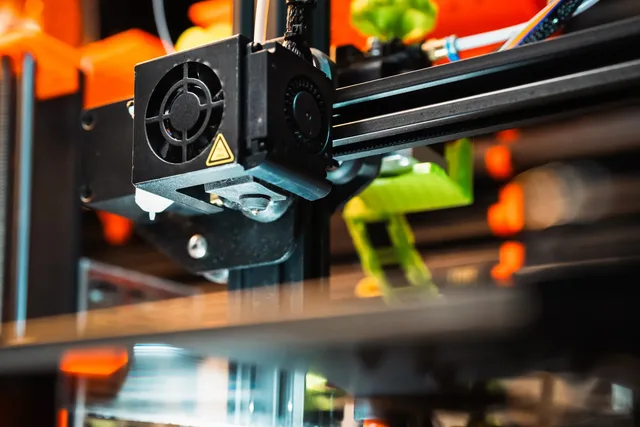
According to World Bank, the 2025 record includes 17.6%.
Why is tech innovation impact so critical?
A developer writes code in a high-tech laboratory, focusing on how algorithms can optimize energy use in a smelting plant. This focus on the future of German making is essential to prevent long-term stagnation. The integration of AI and machine learning into the factory floor is no longer optional.
The tech innovation impact determines whether a company can compete with newer, digitally native competitors. If the industry fails to adopt these technologies, the manufacturing innovation it once provided will diminish.
This is not just about speed, but about the ability to customize production through software.
The manufacturing revolution requires a deep understanding of how data flows through a supply chain. Without this, the industry risks becoming a mere provider of components rather than a leader of systems. This gap is where the most significant risks reside.
Is the manufacturing decline permanent?
A manager reviews quarterly reports in a quiet office, noting the shrinking margins in traditional sectors. The feeling of uncertainty is palpable as the industry contemplates a large-scale industrial transformation. Whether this decline is permanent depends on the speed of the response.
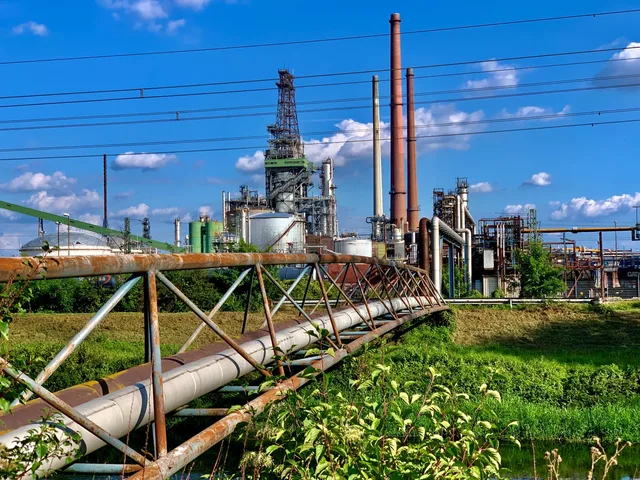
The industry is currently in a state of flux, attempting to balance the costs of restructuring with the need for growth. While some sectors face immediate pressure, others are finding new niches in green technology and specialized automation. The outcome is not yet decided.
The manufacturing shift now is a race against time and global competitors. The ability to pivot from heavy machinery to smart systems will define the next decade of the German economy.
How can companies manage the transition?
Companies can manage the transition by auditing existing hardware, implementing standardized data protocols, and retraining technical staff, followed by a final check.
The relationship between technology innovation and the manufacturing crisis in Germany is defined by the urgent need to integrate digital software into traditional mechanical processes.
This transition remains limited to sectors capable of absorbing high restructuring costs and managing the complexity of digital integration.
What are the specific risks in the German manufacturing sector?
- The reliance on legacy systems presents a significant operational hazard for the German manufacturing sector. 2. Failure to update control systems introduces a vulnerability to obsolescence when compared to digitally native competitors. 3. The complexity of integrating new software layers risks undermining the established mechanical integrity of the German manufacturing base.
The caution regarding mechanical reliability must be addressed during the digitalization process. If the new digital layers are implemented without respecting the original design parameters, the inherent quality of the German manufacturing output suffers.
This condition demands careful oversight during any system overhaul.
How does the global market influence the German manufacturing challenge?
The global market dictates a preference for software-defined products over purely mechanical ones. This market trend forces the German manufacturing industry to adapt its core competencies. The comparison between traditional strengths and digital requirements highlights this external pressure.
Firms must recognize that market viability is tied to digital agility, not just historical hardware excellence. The slow rate of digital tool adoption contrasts sharply with the swift evolution of international commerce.
This divergence creates the central tension within the German manufacturing landscape.
The necessity of data flow understanding is a direct consequence of global supply chain demands. Without mastering this data aspect, the German manufacturing sector risks being relegated to a simple component supplier. This limitation is a direct result of modern market structures.
What is the condition for successful industrial transformation?
Success in the German manufacturing shift hinges on a proactive approach to technology adoption. The condition requires that companies move past simple fixes toward systemic change. This systemic change involves reorienting the workforce and the technology stack simultaneously.
The industry must manage the financial burden of restructuring while simultaneously pursuing avenues for expansion. Some specialized automation and green technology niches offer a pathway out of immediate pressure for the German manufacturing sector.
The final determination of the outcome remains contingent upon the pace of this response.
The integration of AI and machine learning serves as a benchmark for competitive capability. If the German manufacturing sector cannot leverage these tools, its once-provided innovation will inevitably decline. This capability defines the industry's future standing.
Comments 0