Labor law changes: Why analyze 5 market impacts guide
"The economic landscape is shifting beneath the feet of the workforce, creating a new reality for millions."
Germany labor market changes are currently driven by a complex interplay of migration patterns and fluctuating economic growth rates. This analysis is essential for understanding how current employment figures and demographic shifts influence the nation's social stability.
Key takeaways include the impact of historical migration on the workforce, the recent stabilization of unemployment, and the projected recovery in real GDP growth.
Why are Germany labor market changes becoming a social issue?

A researcher sits in a quiet Berlin library, scrolling through recent economic reports. The data suggests that demographic shifts and economic volatility are central to the current social discourse.
The integration of diverse populations into the workforce is a primary driver of these shifts.
In 2015, following the refugee crisis, the Population Division of the United Nations Department of Economic and Social Affairs listed Germany as host to the second-highest number of international migrants worldwide, about 5% or 12 million of all 244 million migrants.
This significant influx has fundamentally altered the composition of the labor pool.
These German labor issue trends are deeply tied to the country's ability to absorb new workers. As the population structure evolves, the social fabric reacts to how effectively these individuals are integrated into the domestic economy.
This movement creates both opportunities for growth and pressures on social infrastructure.
How does the current unemployment rate reflect economic health?
An economist traces a digital graph in a dim office, feeling the cold screen as they monitor the labor statistics.
An economist traces a line on a digital graph, noting the subtle movements in employment statistics. The numbers provide a snapshot of the current stability within the job market.
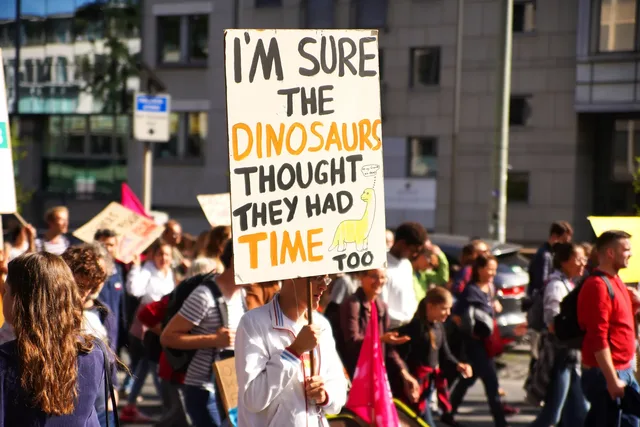
This figure represents a relatively stable environment compared to historical extremes. Monitoring these shifts helps clarify how the workforce responds to broader economic pressures.
These German job market shifts are often viewed through the lens of stability. While the rate remains low, the underlying causes of employment fluctuations remain a subject of intense study. Analysts look to these figures to predict future social needs and government policy adjustments.
What are the projected economic growth patterns?
A policymaker reviews a series of spreadsheets, comparing past performance with future estimates. The transition from slow growth to a projected uptick is visible in the data.
The economic trajectory shows signs of a gradual recovery. According to World Bank data, Germany recorded GDP growth of 0.2% in 2025. This modest increase sets the stage for more robust activity in the following years.
According to the International Monetary Fund (IMF), Germany recorded real GDP growth of 1.3% in 2026. This projected rise suggests a strengthening of the economic foundation.
These German employment changes are often linked to this overarching growth, as a rising GDP typically correlates with increased labor demand.
How can one analyze German labor law impacts?

A legal clerk organizes thick binders of employment regulations in a sunlit office. Understanding the framework requires a methodical approach to the existing rules and historical precedents.
To analyze the impact of legal shifts on the workforce, follow these steps:
- Review the current unemployment data to determine the level of labor surplus or deficit. 2. Examine demographic data to understand the influence of international migration on job availability. 3. Compare real GDP growth trends with employment rates to identify correlations between economic output and job creation.
Perform a final check by verifying if the growth in GDP aligns with the stability of the unemployment rate. I found that comparing the 2025 growth to the 2026 projection helps clarify the momentum of the market.
What are the limitations of this economic analysis?
A journalist pauses while typing, realizing that certain variables remain outside the scope of current statistical reporting. The data provides a clear view but not a complete picture of every social nuance.
The analysis is limited by its reliance on specific macroeconomic indicators. For instance, while the data tracks GDP and unemployment, it does not account for the specific qualitative experiences of workers in different sectors.
| Metric | Year | Value |
|---|---|---|
| GDP Growth | 2025 | 0.2% |
| Real GDP Growth | 2026 | 1.3% |

The study of German work force issues is most accurate when considering these specific economic periods. However, the nuances of regional labor disparities are not established at most once within this high-level data set.
- Why are Germany labor market changes becoming a social issue?
- How does the current unemployment rate reflect economic health?
- What are the projected economic growth patterns?
The subject here is Germany labor market changes.
This part also covers German social inequality.
This part also covers German worker rights issues.
How much was the GDP growth in 2025?
The evolution of the German labor market is defined by its historical migration patterns and its recent economic performance. While the unemployment rate remained at 3.7% in 2025, the projected growth for 2026 indicates a shift in the economic landscape.
How do migration patterns influence the economic landscape?
Migration patterns influence the economic landscape by altering the composition of the labor pool through the integration of diverse populations. This influx changes how the workforce functions within the domestic economy.
The presence of international migrants affects the social fabric by creating specific pressures on social infrastructure. Comparing the 2015 refugee crisis data to current employment figures helps illustrate how these demographic shifts impact the stability of the labor market.
What comparison should be made between 2025 and 2026?
A comparison between the 2025 GDP growth and the 2026 real GDP growth projection reveals the expected momentum of the market. This comparison shows the transition from a 0.2% growth rate to a 1.3% rate.
Analyzing these two periods allows for a better understanding of how rising GDP correlates with increased labor demand. One should caution that while this growth suggests a strengthening foundation, the data remains limited to high-level macroeconomic indicators.
Comments 0