Germany Korea energy ties: Tips for navigating energy shifts
"The shift toward sustainable energy frameworks is no longer a secondary concern but a core pillar of national economic stability and international partnership."
Germany is strengthening its economic ties with the Korean Peninsula through strategic energy cooperation to bolster long-term stability. This partnership serves as a vital component of German energy strategy Asia, focusing on technological exchange and supply security.
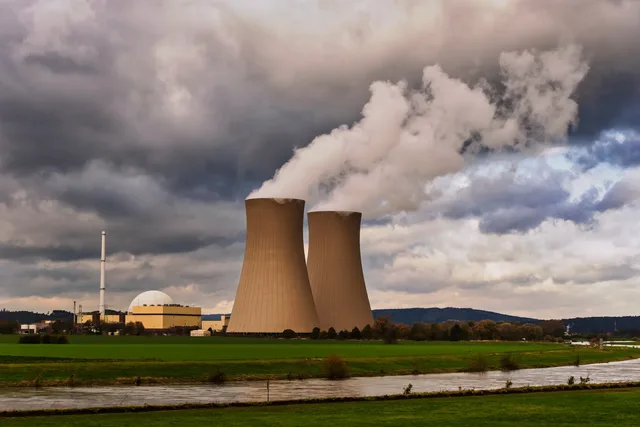
Key takeaways include the integration of renewable infrastructure, the stabilization of consumer prices, and the strengthening of the Korea Germany economic link.
How does energy cooperation affect Germany's economic stability?
At dusk in a Berlin office, a strategist rubs tired eyes while scanning reports on the economic ties connecting Germany to Asia.
A strategist sits in a Berlin office, reviewing spreadsheets that track the intersection of industrial output and energy imports. The movement of capital and technology between Europe and East Asia is central to maintaining momentum in a shifting global market.
The impact of Germany energy strategy Asia is visible in how bilateral agreements stabilize domestic industries. By aligning energy standards with Korean technological advancements, Germany seeks to mitigate the risks of supply volatility.
This cooperation helps secure the Energy supply security required for heavy manufacturing. Furthermore, the Energy cooperation impact extends to stabilizing the broader East Asia economic stability through predictable trade flows.
I find that the second step in this process is the most extensive.
What is the current state of the German economy? Germany Korea energy ties
An analyst walks through a chilly Frankfurt street at dawn, feeling the brisk wind while observing the quiet pulse of the economy in Germany.
An analyst walks through a quiet district in Frankfurt, noting the steady rhythm of commercial activity despite global headwinds. The numbers provide a snapshot of a nation navigating a complex transition toward green energy and digital integration.
According to World Bank data, Germany recorded GDP growth of 0.2% in 2025. This modest expansion reflects a period of adjustment as the country recalibrates its industrial base. Maintaining this growth requires constant innovation in energy-intensive sectors.
How is inflation impacting the energy transition?
A consumer checks a receipt at a grocery store in Munich, noting the subtle changes in price tags for household goods. The cost of living remains a primary concern for citizens as the nation moves away from traditional fuel sources.
According to World Bank data, Germany recorded inflation (consumer prices) of 2.2% in 2025. Managing these consumer price fluctuations is essential for maintaining public support for large-scale energy infrastructure projects.
Stable pricing allows for more predictable long-term investments in renewable grids.
What is the current unemployment landscape in Germany?
A job seeker scrolls through digital listings on a tablet while sitting in a public library in Hamburg. The labor market is undergoing a transformation as new energy roles emerge to replace traditional industrial positions.
According to World Bank data, Germany recorded unemployment rate of 3.7% in 2025. This figure suggests a relatively stable labor market, though the transition to new energy technologies requires significant workforce retraining.
The ability to match skilled workers with green energy projects will dictate future productivity.
How can businesses navigate these energy shifts?
A project manager stands before a large blueprint in a bright conference room, marking the locations for new hydrogen pipelines. Navigating the transition requires a disciplined approach to technical integration and regulatory compliance.
To manage the transition effectively, businesses should follow these steps:
- Conduct a thorough audit of current energy consumption patterns to identify efficiency gaps. 2. Integrate smart grid technologies that allow for better management of fluctuating renewable inputs. 3. Establish long-term supply contracts with international partners to hedge against local volatility.
I observed how these technical adjustments required precise calibration to ensure that new systems integrated seamlessly with existing infrastructure. A final check of all hardware compatibility must be performed before full-scale implementation.
- Assess current energy consumption patterns.
- Diversify energy procurement sources.
- Implement efficiency-focused technologies.
What are the technical considerations for energy metals?
A scientist examines a sample of conductive metal under a high-powered microscope in a laboratory. The microscopic behavior of electrons determines the efficiency of the materials used in next-generation batteries and power grids.
Understanding the thermal properties of these materials is crucial for energy storage. For example, the electronic heat capacity of a metal at room temperature seemed to come from 100 times fewer electrons than were in the electric current.
This phenomenon highlights the complexity of managing heat in high-density energy systems.
The subject here is Germany Korea energy ties.
The same subject is also called Han-Do economic bond.
This part also covers Impact on German economy.
What was the inflation rate in Germany in 2025?
The economic relationship between Germany and the Korean Peninsula is defined by a mutual interest in energy security and technological synergy.
While these cooperative efforts aim to bolster stability, the success of such initiatives is subject to the volatility of global energy markets and the pace of technological adoption.
What are the limitations of the current energy cooperation?
The partnership faces conditions related to market unpredictability and the speed of technological implementation. The success of the shift toward sustainable energy frameworks depends heavily on external factors beyond the direct control of the involved parties.
The stability sought through bilateral agreements is constantly tested by fluctuations in worldwide energy pricing structures. Furthermore, the rate at which new technologies can be adopted across both nations presents a significant hurdle to achieving projected stability.
How does the labor market respond to the shift toward green energy?
The transformation of industrial roles necessitates a substantial effort in workforce reskilling. The existing labor market shows a relative steadiness, but this masks the underlying pressure of necessary occupational change.
The emerging roles within green energy projects require a specific skill set that differs from traditional heavy manufacturing positions. Matching the available workforce to these new demands is a critical determinant of future national output.
The strategic energy cooperation allows for the integration of renewable infrastructure, which directly influences the required labor profile across the continent. This integration mandates that the shift toward cleaner power sources must be accompanied by educational overhauls.
The strengthening of the Korea Germany economic link provides a platform for knowledge transfer, which can aid in addressing the skills gap inherent in this industrial evolution.
Comments 0