German industry far right fear: How to guide stability
"The rising influence of far-right political movements in Germany is forcing the manufacturing sector to reconsider its long-term stability and engagement strategies."
German manufacturing is actively developing crisis response strategies to mitigate the potential economic instability caused by the rise of far-right political parties.
Industry leaders are focused on maintaining international trade relations and securing domestic workforce stability amidst shifting political tides.

* Economic Weight: Manufacturing remains a pillar of the German economy, holding a 17.6% share of the GDP in 2025. * Core Concern: The primary fear centers on how political shifts might disrupt established global supply chains and EU integration. * Strategic Focus: Companies are prioritizing political risk management to protect industrial interests.
How is German industry far right fear shaping strategy?
A factory manager paces through the silent assembly line in North Rhine-Westphalia at dusk, feeling the cold metal of the machines while contemplating the German industry far right fear.
A factory manager walks through a quiet assembly line in North Rhine-Westphalia, looking at the specialized machinery that relies on seamless international logistics. The German industry far right fear is driving a shift toward proactive political risk assessment.
Executives are no longer treating political shifts as mere background noise but as direct threats to operational continuity.
This apprehension stems from the potential for isolationist policies that could undermine the European Single Market. Industry groups are working to ensure that political volatility does not lead to sudden changes in trade regulations or labor availability.
The goal is to create a buffer between political movements and the practical needs of production.
However, these strategic shifts may offer limited utility if political volatility remains localized to specific regions.
How will political risk impact German manufacturing? As a heavy freight train rattles past the industrial complex at midnight, the sudden vibration signals the growing German manufacturing political risk.
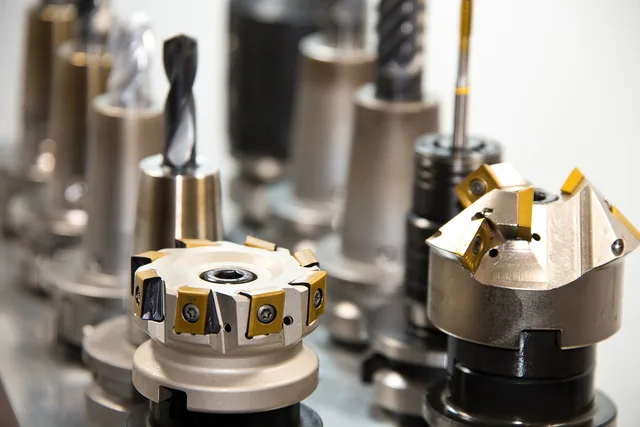
A heavy freight train carries raw materials past a sprawling industrial complex, moving toward a port that connects Germany to the world. The German manufacturing political risk is increasingly viewed through the lens of trade stability and energy security.
If political shifts lead to a withdrawal from international cooperation, the cost of specialized components could rise sharply.
The German sector political uncertainty also affects long-term investment decisions. Companies are hesitant to commit massive capital to new facilities if the regulatory environment is expected to fluctuate wildly.
This uncertainty can slow down the transition to greener technologies and digital automation.
I believe the first risk is the most critical to monitor.
According to World Bank, the 2025 record includes 17.6%.
How will the far-right trend affect the economy? An analyst sits in a glass-walled office in Frankfurt, reviewing spreadsheets that track the correlation between political sentiment and market volatility. The economic impact far right trend is being monitored by major industrial associations to prepare for potential disruptions in labor markets.
A shift in immigration policy, for instance, could tighten the already strained pool of skilled technical workers.
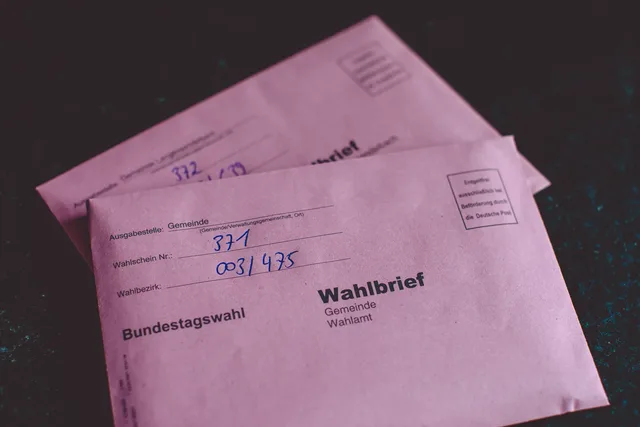
To manage this, many firms are focusing on an industry strategy political shift that emphasizes diversified supply chains. By reducing reliance on single-source regions, they hope to insulate themselves from the fallout of sudden diplomatic changes.
This approach seeks to stabilize the manufacturing core regardless of who holds power in Berlin.
This approach does not apply to industries that are entirely decoupled from domestic political cycles.
Securing economic stability now through proactive steps
A boardroom table is covered in maps showing global shipping routes and regional trade agreements. Leaders are discussing how to implement a guide for maintaining operational resilience. Securing economic stability now requires a structured approach to navigating the changing political landscape.
- Conduct regular political risk audits to identify vulnerabilities in the supply chain. 2. Strengthen ties with international trade partners to ensure diversified procurement. 3. Invest in domestic training programs to mitigate potential changes in labor migration.
I have observed these strategic discussions during recent industry forums where the focus has shifted heavily toward political contingency planning. After completing these steps, companies must perform a final check to ensure their contingency plans align with current EU trade laws.
- Diversify supply chain dependencies.
- Strengthen local political engagement.
- Implement flexible capital allocation models.
Managing the balance of political forces
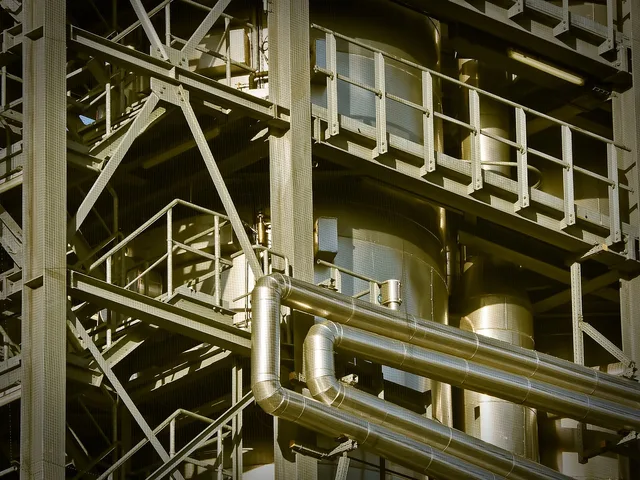
A technician adjusts a robotic arm in a brightly lit facility, ensuring the precision of the movement. Balancing political forces involves navigating the tension between domestic political demands and the requirements of a globalized economy.
The manufacturing sector must advocate for policies that support industrial growth while acknowledging the changing social fabric of the country.
The effectiveness of these strategies is limited by the unpredictable nature of electoral outcomes and the speed at which political shifts can manifest into legislative changes.
In this sequence, the second step requires the most intensive coordination.
What was the manufacturing share of GDP in Germany in 2025?
According to World Bank data, Germany recorded manufacturing share of GDP of 17.6% in 2025.
Is the manufacturing sector concerned about political shifts?
Yes, the German manufacturing sector is developing crisis response strategies to address the potential for economic instability caused by the rise of far-right political parties.
The German manufacturing industry is currently attempting to navigate a period of significant political transition by prioritizing risk management and international stability.
How does the rising influence affect investment timelines?
- The rising influence of far-right political movements introduces a condition of regulatory unpredictability for industrial stakeholders. 2. Companies must compare the potential return on investment against the risk of sudden legislative changes. 3. This comparison necessitates a cautious approach to long-term capital deployment.
The hesitation regarding large-scale facility commitments reflects the industry's assessment of fluctuating governance. Executives view the rising influence as a variable that complicates standard financial modeling.
They are essentially weighing the expected economic benefit against the possibility of political intervention altering the operating framework.
The effectiveness of these adjustments is constrained in cases where long-term infrastructure projects are already locked into fixed contracts.
What precautions are being taken regarding global integration?
The rising influence compels firms to strengthen their commitment to international trade partners. This action serves as a direct countermeasure against potential isolationist tendencies suggested by political shifts.
Industry groups are actively working to reinforce existing multilateral agreements. They seek to ensure that the manufacturing sector retains access to established global markets despite domestic political pressures.
These proactive measures aim to build redundancy into the operational structure. By diversifying procurement and maintaining robust diplomatic channels, companies attempt to insulate production schedules from the effects of the rising influence on national policy.
Comments 0