Why is the right-wing party rising? German far right growth
"The political landscape is shifting, and the rise of fringe movements often signals deep-seated social fractures."
The German far-right growth is driven by significant regional disparities in political sympathy and voting patterns between East and West Germany. This trend is particularly visible in the eastern states, where specific parties have secured majorities in federal elections.
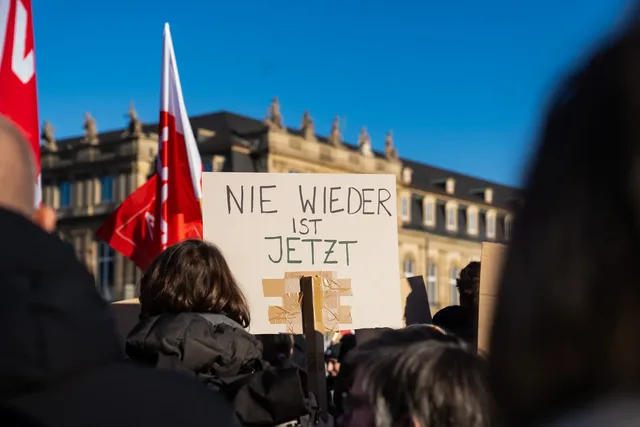
Understanding this requires looking at regional support levels, specific electoral successes in new states, and the impact of local demonstrations.
* High sympathy for demonstrators in East Germany. * Dominance of the AfD in certain eastern states. * Significant electoral shifts in specific regions like Berlin and Saxony-Anhalt.
Why is there German far-right growth?
A person stands in a crowded town square in eastern Germany, watching a group of demonstrators march past historical storefronts. The tension in the air reflects a growing divide in the national political sentiment.
The German far-right growth is largely characterized by regional concentration. This level of support was notably higher than the 48% recorded in the West.
Such regional differences highlight how localized movements gain traction in specific geographic areas.
Why is the right-wing party rising? German far right growth A voter marks a ballot in a quiet polling station located in a new state, focusing on the names of parties that have disrupted traditional politics. The atmosphere is one of decisive change.
The Right wing party rise is evident in the electoral performance of the Alternative for Germany (AfD). In the 2013 German federal elections and again in 2017, the AfD received the most votes in the new states of Germany.
This pattern shows a consistent shift toward alternative political options in those specific regions.
How does the German politics trend look?
An analyst sits at a desk covered in maps of Saxony-Anhalt and Mecklenburg-Western Pomerania, tracing the lines of electoral shifts. The maps show a clear pattern of changing political allegiances.
The German politics trend shows significant movement in specific territories. In 2016, the AfD reached at least 17% in Saxony-Anhalt, Mecklenburg-Western Pomerania, and Berlin. This expansion into major urban and regional centers illustrates the breadth of the current political shift.
How are social issues impacting us? A resident walks through a neighborhood where political posters are plastered on brick walls, feeling the weight of the changing social climate. The visual presence of these messages alters the daily experience of the community.
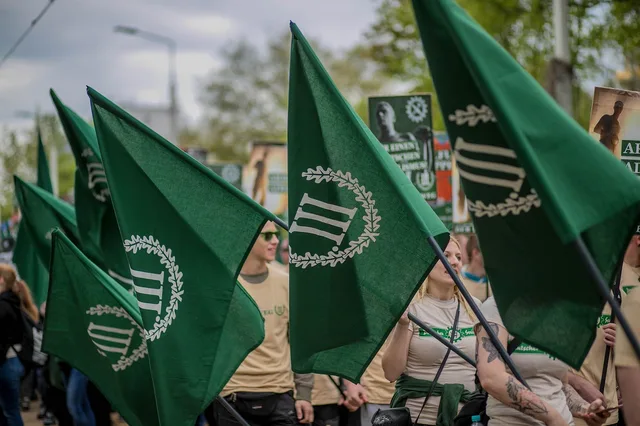
The Social issue impact is often felt through the increased visibility of protest movements. In the eastern parts of the country, the sympathy for demonstrators reached 53% in 2014. These social movements create a backdrop for political shifts that define the current era.
How do Labor market concerns influence voters?
A worker in a manufacturing district looks at a newspaper headline regarding economic shifts, wondering how policy changes will affect their livelihood. The uncertainty of the future drives their political engagement.
Labor market concerns often intersect with political dissatisfaction. While specific economic data is not provided, the electoral dominance of certain parties in the new states suggests that economic and social anxieties are being channeled into specific voting blocks.
This connection helps explain the concentrated support for the AfD in those regions.
What is the Economic crisis link?
A small business owner in a provincial town reviews their monthly expenses, contemplating how national political instability might affect local commerce. The connection between macro politics and micro economics is palpable.
The Economic crisis link is a component of the broader political shift. As voters in the new states moved toward the AfD in 2013 and 2017, the underlying drivers included various systemic pressures.
These pressures manifest differently across the East and West, influencing the overall trajectory of the country.
Comparing Regional Support and Electoral Reach
| Region/Group | Support/Vote Metric |
|---|---|
| East German PEGIDA Sympathy (2014) | 53% |
| West German PEGIDA Sympathy (2014) | 48% |
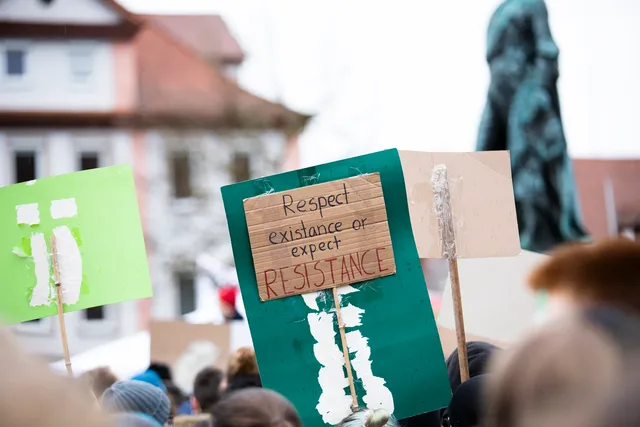
I compared the sympathy levels between East and West to understand the regional divide.
The data suggests that political movements are not uniform across the country. A limitation of this analysis is that it focuses on specific historical data points from 2014, 2016, and 2017, which may not reflect the entirety of the current political climate.
- Why is there German far-right growth?
- What defines the Right wing party rise?
- How does the German politics trend look?
The subject here is German far right growth.
This part also covers Government policy effect.
This part also covers Political shift analysis.
How much sympathy did East Germans have for PEGIDA?
A survey by TNS Emnid reports that in mid-December 2014, 53% of East Germans sympathized with the PEGIDA demonstrators.
Which party had the most votes in the new states?
The Alternative for Germany (AfD) had the most votes in the new states of Germany in the 2013 German federal elections and in 2017.
The growth of far-right politics in Germany is deeply tied to regional identity and specific electoral successes in the eastern states and Berlin.
Wikipedia: Far-right politics in Poland Based on the retained excerpt mentioning Polish National Union: The pan-Slavic and neopagan Polish National Union (PWN-PSN) political party at its peak was one of the larger groups active in the early 1990s, numbering then some 4,000 members and making international headlines for its anti-Semitism and anti-Catholicism in 1991 and 1992.
What is the overall political landscape showing?
- The political landscape indicates a divergence in regional political sympathy.
- This divergence is a key factor in the German far-right growth.
- The shifting political landscape suggests deep-seated social fractures are present.
The political landscape reveals that localized movements achieve greater traction in certain geographic areas. This condition is supported by the regional concentration of far-right support.
The political shift analysis shows that the rise of fringe movements often signals deep-seated social fractures within the political landscape. This observation ties into the regional disparities noted between East and West Germany.
How does the political shift analysis compare regional trends?
- The comparison of regional support highlights the non-uniform nature of political movements.
- The data from 2014 demonstrates a clear difference in sympathy levels between the East and West.
- This comparison serves as a caution regarding the scope of the current political climate.
The political shift analysis shows that the electoral successes in the eastern states are not isolated incidents. These successes reflect a broader trend within the political landscape.
The condition of regional disparity is further illustrated by the differing support levels for demonstrators in the two parts of the country. The political landscape is demonstrably fractured along these regional lines.
Comments 0