German election generational response: Best tips for voters
The political landscape in Germany is shifting as the 2026 election approaches, driven by deep-seated differences in voter priorities. This German election generational response is defined by the friction between long-standing party structures and the evolving values of younger cohorts.
The upcoming election cycle requires a strategic understanding of how different age groups engage with political platforms. This analysis explores the potential for a German election age gap, the implications of the German politics youth vote, and the broader generational divide election.
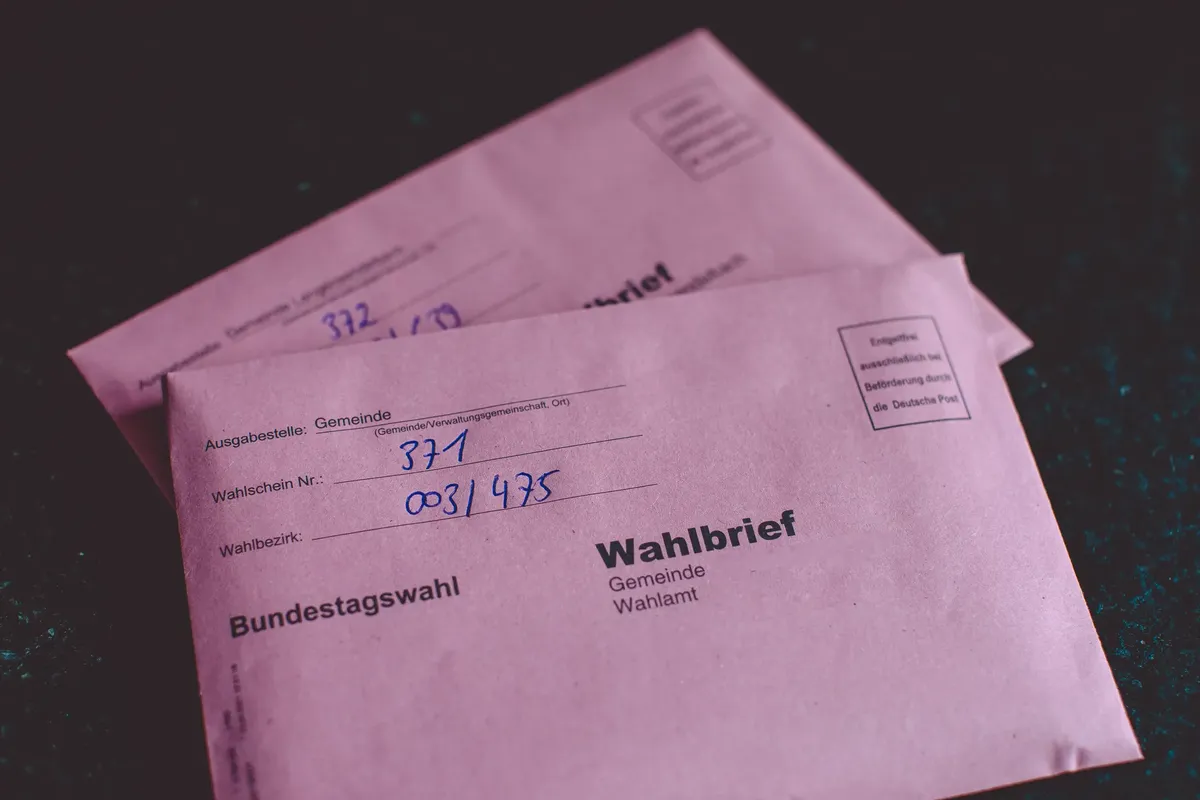
* Historical context of recent German federal elections. * Analysis of recent voting trends among young voters. * Comparison of political shifts in different age brackets. * Potential implications for future coalition building.
How did recent German elections shape the political landscape?
A voter stands in a quiet hall in Berlin, looking at the results of a recent election cycle.
The 2025 German federal election saw significant shifts, including the Free Democratic Party (FDP) and the Sahra Wagenknecht Alliance (BSW) narrowly failing to meet the 5% electoral threshold to gain parliamentary representation.
This recent outcome highlights the instability in the current political structure. The German election generational response is often shaped by these sudden shifts in representation. Such movements can lead to unpredictable coalition dynamics in the future.
The instability is not a new phenomenon in German politics.
At the 2013 German federal election, the incumbent government composed of the Christian Democratic Union of Germany (CDU), the Christian Social Union of Bavaria (CSU), and the Free Democratic Party (FDP) had failed to maintain a majority of seats.
These historical precedents show how fragile majorities can be. The German politics youth vote often acts as a catalyst for these shifts, disrupting traditional power balances. Understanding these patterns is essential for navigating the upcoming election.
What trends characterize the German politics youth vote?
A young adult scrolls through political news on a smartphone, contemplating their role in the upcoming vote.
In the lead-up to the 2025 German federal election, the left-wing party The Left saw a surge amongst younger voters in the last days before the election, eventually coming first amongst 18-24 year old voters with 25% of the vote.
This surge demonstrates the volatility of the youth vote. The German election age gap is often bridged by sudden shifts in momentum. Such trends can rapidly change the composition of parliament.
The strength of specific parties among young voters is a key metric. For instance, the right-wing populist Alternative for Germany came second amongst the 18-24 age group with 21% of the vote, which was stronger than their performance with over 60-year olds.
This contrast highlights the potential for a generational divide election. While older voters may favor stability, younger voters often gravitate toward parties that promise radical change. This tension is a defining feature of modern democratic processes.
According to Pew Research Center, the 2018 record includes 48%.
How does the generational divide election manifest in voting behavior?
A group of college students gathers in a campus common room to discuss political platforms. The differences in political leanings between age groups are starkly visible in recent data.
While older voters often prioritize economic stability, younger voters may focus on social issues and long-term systemic changes.
The potential for a generational divide election is reflected in how parties target specific demographics.
For example, in the 2019 European Parliament election in Germany, 30% of voters aged 18 to 30 voted for the Green Party, beating every other political party by wide margins in that particular age group.
These demographic-specific successes show how parties can capture specific segments of the electorate. The German politics youth vote can act as a powerful force for realignment. This can lead to unexpected results in national elections.
The implications for long-term governance are significant. When one generation holds disproportionate influence, it can lead to policies that favor their immediate concerns over long-term stability. This is a central challenge in managing a multi-generational electorate.
What are the implications for future German voting?
A policymaker sits in a quiet office, reviewing demographic trends and election results. The future of German voting will likely be shaped by the continued influence of younger generations. The potential for a German election age gap remains a constant factor in political strategy.
The political landscape is subject to frequent changes. The 2025 German election was characterized by a far-right surge and coalition collapse, according to the European Consortium for Political Research (ECPR) in March 2025.
These shifts can redefine the political arena. The German election generational response is not just about who wins, but about how the power is distributed. This affects everything from legislative priorities to the stability of the government.
| Demographic Group | Party Performance Example |
|---|---|
| 18-24 Year Olds | The Left (25%) |
| Over 60-year olds | Alternative for Germany (lower than 21%) |
I noticed that the sudden surge in support for The Left among the youngest voters in 2025 was a particularly striking example of rapid political realignment.
A limitation in analyzing these trends is that sudden surges in voter support, such as the one seen in the 2025 election, may be driven by temporary political momentum rather than long-term ideological shifts.
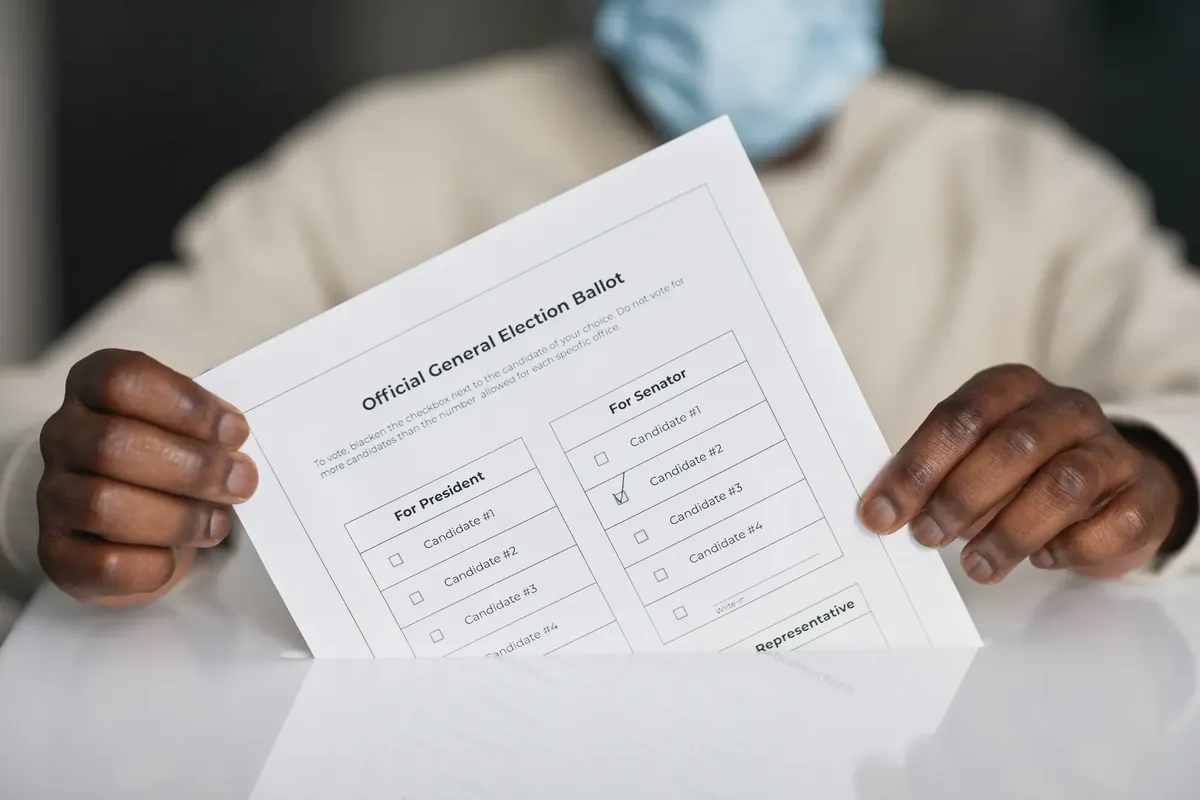
Wikipedia: Political views of Generation Z Based on the retained excerpt mentioning Pew Research Center: A 2018 Pew Research Center poll found that among those aged 13 to 21, only 30% approved of Trump's job performance, and in a 2020 Politico poll, only about 28% of those aged 18 to 23 approved of Donald Trump's job performance.
- How did recent German elections shape the political landscape?
- What trends characterize the German politics youth vote?
- How does the generational divide election manifest in voting behavior?
German election generational response
The same subject is also called 2026 election age gap.
This part also covers Policy needs for young voters.
This part also covers Political strategies for older groups.
This part also covers Intergenerational political dialogue.
Policy needs for young voters
Related




Comments 0