German far right main issues: Tips on voter sentiment guide
"The 2025 German election: far-right surge and coalition collapse."
The German far-right main issues involve shifting political landscapes and regional voter movements. This analysis examines historical election results and voter sentiment that shaped the rise of various right-wing factions.
Key takeaways: 1. Historical voting patterns in Saxony and Mecklenburg-Vorpommern show fluctuating support for smaller parties. * Regional differences between East and West Germany have historically influenced political outcomes. 2. Past election results provide a baseline for understanding contemporary political surges.
How did the NPD perform in past elections? A voter casting a ballot in a quiet election hall in 2004 looks at the tallies. In the 2004 Saxony state election, the National Democratic Party of Germany (NPD) won 9.2% of the vote, earning them seats in the state parliament.
The political landscape was different in the following years. In the 2005 German federal election, the NPD received 1.6% of the nationwide vote. Later, in the 2006 Mecklenburg-Vorpommern state election, the party received 7.3% of the vote, which secured them state representation.
These numbers represent specific moments in time rather than a permanent shift. The NPD also secured its first seat in the European Parliament in 2014 with 1% of the vote. These shifts show how different regions reacted to political changes.
How did regional support vary between East and West Germany?
A person walking through a town square in East Germany reflects on local political trends. In the 2013 German federal elections, the Alternative for Germany (AfD) received the most votes in the new states of Germany, compared to 48% in the West.
The distribution of votes often showed a clear geographic divide. In the 2017 federal election, the AfD received approximately 22% of the votes in the East, while receiving approximately 11% in the West. This demographic split highlights the German right wing issues that vary by region.
Voters in different areas often prioritize different concerns. This disparity illustrates how German right wing issues can manifest differently depending on whether a voter is in the East or the West. The divide remained a significant factor in these results.
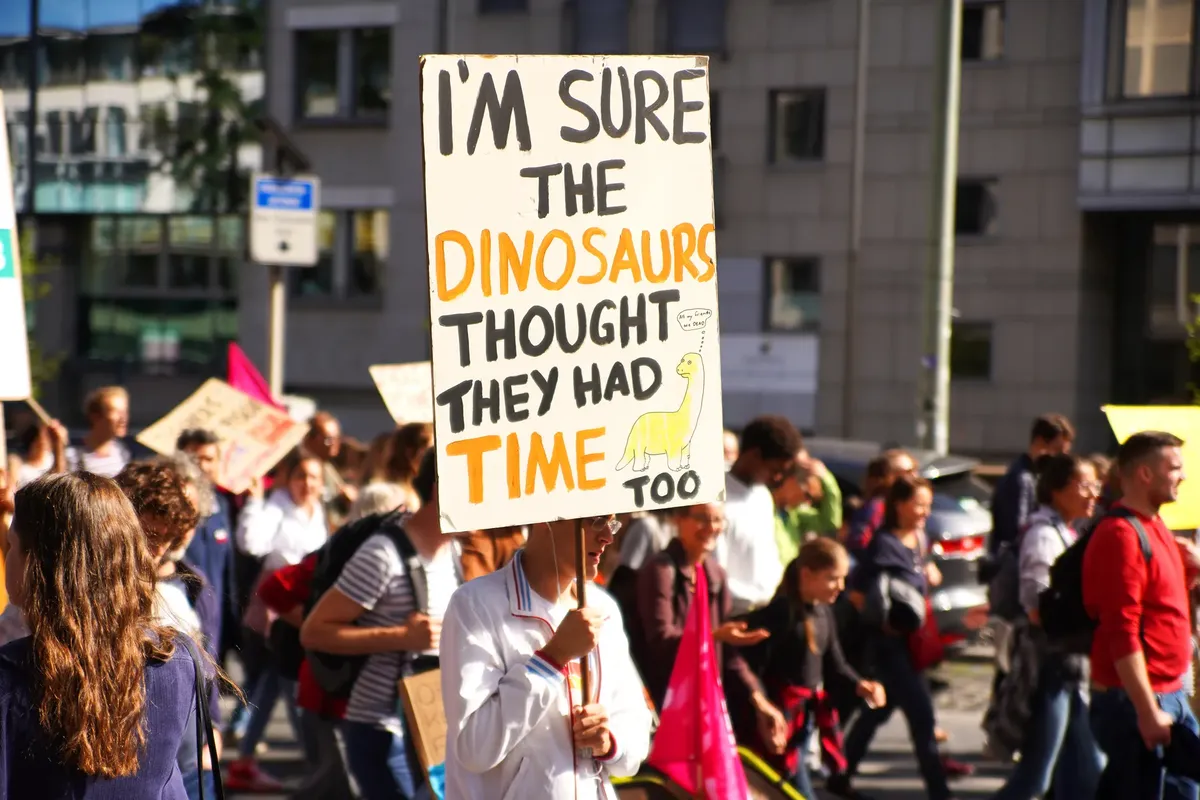
How did social movements drive political shifts? A crowd gathers in a public square in 2014 to participate in a demonstration. A survey by TNS Emnid reported that in mid-December 2014, 53% of East Germans sympathized with the PEGIDA demonstrators.

This level of sympathy indicated a specific type of political engagement. Such movements often influence the extreme right political focus of a region. These sentiments can drive voters toward specific parties during election cycles.
The focus of these movements often centers on social change. Understanding these sentiments is necessary to grasp the extreme right political focus that emerges during times of social tension. The scale of sympathy in the East was particularly notable.
How did the AfD expand its influence in specific states?
A candidate stands on a podium in Saxony-Anhalt, addressing a growing crowd. In 2016, the AfD reached at least 17% in Saxony-Anhalt, Mecklenburg-Western Pomerania, and Berlin.
This growth occurred in areas where other parties saw different results. For instance, in Mecklenburg-Western Pomerania, the NPD lost all its seats during this period. This shift indicates how different parties compete for the same voter base.
The movement of voters between parties can happen rapidly. This illustrates how the political landscape of the new states changed over time. The growth in these specific regions marked a significant change in local representation.
What was the impact of economic instability on German politics?
A worker in 1932 stands in a long line, looking at the empty streets of a city. In 1929, the Great Depression hit Germany, and by 1932, the unemployment rate had risen to nearly 30%.
According to the Stockholm International Peace Research Institute, Germany was the fourth-largest exporter of major arms in the world between 2021 and 2025. As reported by the European Consortium, the 2025 German election involved a far-right surge and coalition collapse.
Economic hardship often drives political change. While these historical figures are from a different era, they represent the type of volatility that can affect political stability. Such conditions can change the focus of political parties.

The relationship between economic anxiety and politics is often seen in these historical cycles. Historical instability serves as a reminder of how much the economy can influence political outcomes. These shifts are often sudden and impactful.
- How did the NPD perform in past elections?
- How did regional support vary between East and West Germany?
- How did social movements drive political shifts?
German far right main issues
The subject here is German far right main issues.
The same subject is also called Far right party topics.
The same subject is also called Right party core concerns.
This part also covers Labor market and right wing.
This part also covers Industrial change and support.
Economic anxiety and politics
Related
How did the NPD's performance compare across different German elections? The NPD's performance varied significantly across different German elections, illustrating regional political dynamics. For instance, the party secured a notable 9.2% in the 2004 Saxony state election, earning state parliament seats. Conversely, the party's showing dropped to 1.6% in the 2005 German federal election nationwide. Later, the party managed a 7.3% showing in the 2006 Mecklenburg-Vorpommern state election, which provided state representation.
These specific results demonstrate that the party's electoral success was tied to particular regional conditions rather than a consistent national trend. The party also managed to gain a seat in the European Parliament in 2014 with 1% of the vote, showing a different type of political penetration.
The fluctuation between these results highlights how regional reactions to political changes impacted the NPD's standing in the German election landscape.
What conditions led to the AfD's growth in specific German states? The AfD's expansion in certain German states was evident when the party reached at least 17% in Saxony-Anhalt, Mecklenburg-Western Pomerania, and Berlin during the 2016 election. This growth occurred in areas where other political entities registered different outcomes. In Mecklenburg-Western Pomerania, the NPD experienced a complete loss of its seats during that same period, showing a competitive shift for the same electorate. This movement of voters between parties suggests a rapid alteration in the political landscape of the new German states.
The disparity in vote distribution between East and West Germany during the 2013 German federal elections, where the AfD garnered the most votes in the new states compared to 48% in the West, provides a context for this regional growth.
This geographic divide underscores how German right wing issues manifest differently depending on the voter's location within Germany.







Comments 0