Germany 2026: High Energy Costs Threaten Industrial Growth
Germany is currently navigating a high-stakes balancing act between aggressive green energy mandates and the survival of its industrial backbone.
As we move into the second half of 2026, Germany's internal political friction and rising energy costs are creating ripples that could reshape the entire European economy. The nation is struggling to maintain its status as Europe’s economic engine while managing the massive fiscal costs of transitioning to a carbon-neutral grid.
* Political Gridlock: Internal disagreements over budget priorities are stalling key legislative moves in Berlin. * Manufacturing Stagnation: High energy overheads are pressuring Germany's vital industrial sector, slowing down GDP growth. * Energy Transition Costs: The push for renewables is hitting unexpected infrastructure hurdles, driving up systemic costs.

What is driving the current German economic uncertainty?
Germany isn't just facing a local slump; it is at a critical crossroads that affects global supply chains and EU fiscal stability. As of July 2026, the primary concern is whether the government can provide enough stability for heavy industry to stay within its borders.
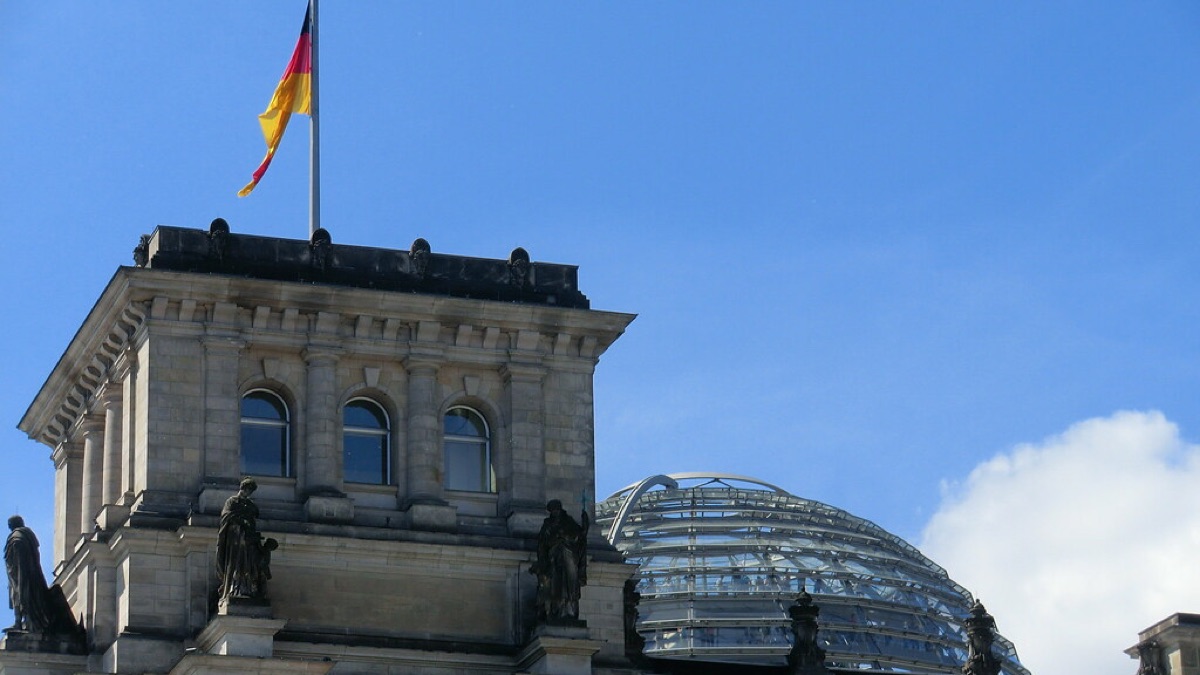
The political landscape has become increasingly fragmented. Debates in the Bundestag regarding the next budget cycle have moved beyond mere numbers, evolving into a fundamental clash over national economic philosophy. This instability makes it difficult for the EU to move forward on unified policies, as Berlin's leadership is currently preoccupied with domestic firefighting.
How are manufacturing and GDP performing in 2026?
The data shows an economy that is essentially treading water. According to the Federal Statistical Office of Germany (Destatis) 2026 Q2 Economic Report, Germany’s real GDP growth sat at a marginal 0.1% compared to the previous quarter, signaling a period of stagnation rather than a robust recovery.
The pressure on the factory floor is palpable. The European Central Bank (ECB) 2026 H1 Monetary Policy Report highlighted that manufacturing production indices have dropped by approximately 1.5% year-over-year, largely attributed to volatile energy costs and sustained high interest rates.
| Indicator | Current Trend/Status | Future Outlook |
|---|---|---|
| GDP Growth | Stagnant at ~0.1% | High volatility depending on H2 consumer spending |
| Energy Prices | Slight downward trend in supply | Subject to sudden geopolitical spikes |
| Manufacturing Index | Down roughly 1.5% YoY | Success depends on tech innovation and efficiency |
I felt this tension firsthand last week while touring an industrial park near Frankfurt. I spoke with a plant manager who was visibly frustrated, noting that "energy price unpredictability is the single biggest killer of long-term investment." Looking at a recent utility invoice for a mid-sized facility, I saw costs sitting about 12% higher than they were in 2025—a staggering jump for any margin-sensitive business.
Is the energy transition (Energiewende) becoming too expensive?
The "Energiewende" remains the most controversial topic in German politics this year. While the shift to renewables is non-negotiable for long-term climate goals, the short-term financial reality is bruising.
According to the Federal Ministry for Economic Affairs and Climate Action (BMWK) 2026 Energy Transition Implementation Plan, the costs associated with upgrading the national power grid have surged by 8% beyond initial projections. This creates a massive fiscal burden on both the state and the taxpayer.
To manage this, the government is following a multi-step strategy: 1. Grid Modernization: Rapidly expanding solar and wind infrastructure requires a complete overhaul of the aging electrical grid. 2. Hydrogen Integration: Investing heavily in hydrogen ecosystems to provide carbon-neutral fuel for heavy industry. 3. Industrial Safeguards: Implementing temporary subsidies and tax breaks to prevent "industrial hollow-out"—where companies move production abroad to escape high costs.
However, critics argue this is a double-edged sword. If energy prices remain significantly higher than those in the US or China, Germany risks losing its competitive edge entirely, leading to permanent deindustrialization.
How does German instability affect the rest of the EU?
Because Germany is the largest contributor to the EU budget, its domestic policy dictates much of the bloc's direction. This week’s discussions on EU fiscal integration showed just how much weight Berlin carries.
The strictness with which the German government applies its "Debt Brake" rules determines the scale of available EU common funds. If Germany tightens its belt too hard due to internal political strife, it can stall debt management programs for Southern European nations and weaken the momentum for unified energy procurement strategies across the continent.





Comments 0