Post-War Exodus: How Treaties Moved Millions in Europe
"The map of Europe was redrawn in blood and ink, but the people who lived within those lines were moved by sheer force of history."
The post-war era in Germany was defined by more than just new borders; it was defined by the movement of millions of souls who suddenly found themselves in a country they no longer recognized.
This massive demographic shift created a ripple effect that influenced everything from economic policy to the very soul of German identity.
Key Takeaways * Post-war treaties caused massive territorial losses, forcing unprecedented population exchanges. * The division of East and West created distinct socio-economic realities that lasted for decades.
* Integration challenges in the 1990s highlighted enduring regional disparities in wealth and perception. * Modern German identity remains deeply influenced by these historical migrations and shifts.
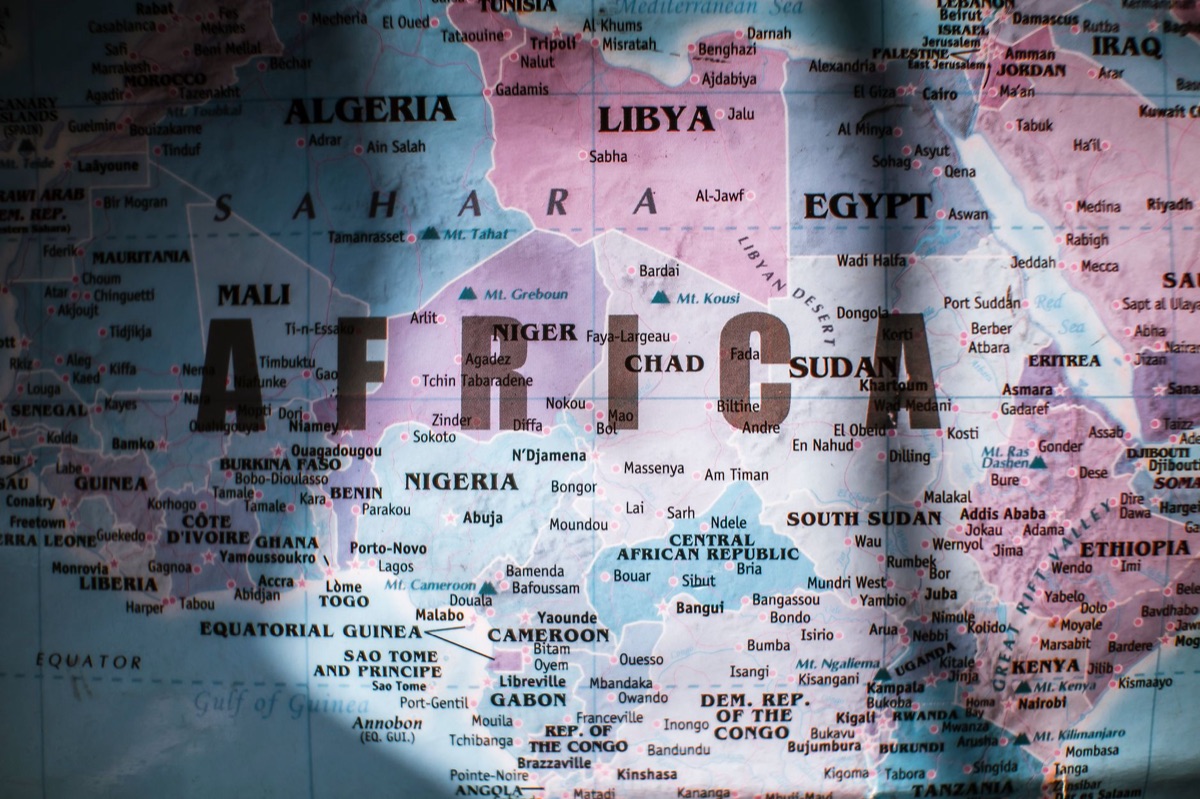
How Did Post-War Treaties Reshape the Map and the People?
A cold wind blew through the ruins of Berlin in 1945 as families packed meager belongings into wooden carts, looking toward borders that had vanished overnight.
I remember reading accounts of people standing in line for hours just to receive a ration card for a country that no longer existed on their old maps.
The geopolitical landscape of Europe was being carved up by the victors, leaving millions of Germans to navigate a world where their homes were no longer within their own country. The scale of territorial loss following World War II was staggering.
Entire provinces were ceded to neighboring nations to satisfy the demands of the Allied powers, fundamentally altering the nation's footprint.
This was not merely a change in administrative lines; it was a total upheaval of settled lives. The migration imperative followed immediately. As borders shifted, millions of displaced persons were forced to move to fit the new reality.
This wasn't a voluntary relocation but a survival-driven exodus.
The sheer volume of people arriving in the remaining German territories created an immediate crisis of housing, food, and social stability. Integrating such a massive number of newcomers into a fractured, war-torn society required an immense level of logistical and social endurance.
These early years of resettlement laid the groundwork for the demographic tensions that would haunt the country for the next eighty years. But as the dust settled, a new type of wall began to rise in the minds of the people.

How did East and West divide in the early years? In a small apartment in Munich in the late 1940s, a refugee from the East might have sat across from a local resident, both staring at a map of a divided nation. The tension in the room was palpable, reflecting a wider national struggle to define who belonged where.
According to a survey by the Allensbach Institute in 1993, only 22% of West Germans felt they were one nation. This statistic highlights how deeply the division had taken root long before the physical wall was even a memory.
The initial reception of newcomers in the West was often fraught with friction. While the West German government worked to absorb those fleeing the Soviet-occupied zones, the social fabric was stretched thin.
Early social dynamics were marked by a sense of "us versus them" as local populations grappled with the sudden influx of people with different political leanings and regional customs.
Economic divergence quickly became the defining feature of the two Germanies. The West began to follow a path of rapid industrial recovery and market-driven growth, while the East developed under a centralized, planned economy.
This created two vastly different lived experiences within a single cultural framework.
The perception gap was equally significant. Even as the two sides lived in relative proximity, they began to develop distinct political identities. The question of whether they were still one people or two separate nations became a central, unresolved tension of the Cold War era.
However, the real test of this identity would come during the chaotic years of the 1990s.
How was the divide bridged during reunification? A celebratory crowd gathered in front of the Brandenburg Gate in 1990, cheering as the wall fell, yet in the quiet suburbs of Leipzig, many wondered if the celebration would translate to their bank accounts. The euphoria of the moment masked the immense structural challenges that lay ahead.
According to a 2019 survey conducted by Pew Research Center, 89 percent of Germans living in both the West and East believe that reunification was good for Germany.
A 2019 survey conducted by the Pew Research Center found that 89 percent of Germans living in both the West and East believe that reunification was good for Germany. Despite this broad approval, the internal reality was far more complex.
The feeling of unity was not as universal as the headlines suggested. Following unification, the national divide persisted in the minds of many. A survey conducted by the Allensbach Institute in April 1993 found that only 22% of West Germans and 11% of East Germans felt they were one nation.
The economic integration hurdles were massive. To facilitate the transition, Germany agreed to pay about 55 billion deutschmarks to the Soviet Union in gifts and loans, an amount equivalent to eight days of the West German GDP.
This was just one of many massive financial transfers required to stabilize the new unified state.
Despite the political union, wealth gaps remained a stubborn reality. The transition from a planned economy to a market economy in the East caused significant disruption to local industries and job markets.
These disparities in assets and income created a lasting sense of inequality that colored political discourse for years to ease. But how does this history manifest in the lives of people today?

Contemporary Echoes: Identity and Integration in Modern Germany
A young professional in Berlin walks through a gentrified district, perhaps never having lived through the division, yet still navigating a political landscape shaped by their grandparents' experiences.
They might grab a coffee in a building that once stood in a border zone, oblivious to the ghosts of the past.
The ghosts of the old borders are still visible in the economic data and voting patterns of the country. The identity of those in the former East has continued to evolve. While the physical wall is gone, the psychological legacy of the division remains a subject of study.
Some feel fully integrated, while others maintain a distinct regional identity shaped by their unique historical path.
Socio-economic reality checks show a gradual convergence, but the journey has been long. While life satisfaction and stability have improved significantly across both regions, the memory of the "shock therapy" of the 1990s remains a touchstone for older generations.
The generational divide is perhaps the most nuanced aspect of modern German identity. Younger generations, who grew up in a unified country, often view the legacy of division through a more globalized lens.
However, the economic and social disparities of the past still influence the political landscape they inhabit today.
| Feature | West German Context (Post-War) | East German Context (Post-War) |
|---|---|---|
| Economic System | Market-driven / Social Market | Centralized / Planned |
| Primary Challenge | Integration of Eastern refugees | Industrial restructuring |
| Identity Focus | Western democratic stability | Overcoming systemic transition |
| Reunification Sentiment | Generally higher acceptance | Mixed; focus on economic parity |
How to Understand the Historical Shift
To grasp the depth of these changes, one must look at the process of transition through several lenses. Germany agreed to pay about 55 billion deutschmarks to the Soviet Union in gifts and loans, which was the equivalent of eight days of the West German GDP.
- Analyze the Map: Understand how post-war treaties redrew borders and displaced populations.
- Evaluate the Divide: Examine the economic and social divergence between East and West.
- Assess Reunification: Look at the financial and psychological costs of merging two systems.
- Trace the Legacy: Connect historical movements to modern-day identity and economic disparities.
The history of German territory and migration is not just a story of maps and numbers; it is a story of people trying to find a home in a constantly shifting world. Understanding these movements is essential to understanding the Germany of today.
#





Comments 0