What are the German election climate focus trends?
"The questions of ecological sustainability and political stability are increasingly intertwined in the European landscape."
The 2026 German election will likely see environmental issues shape the political landscape as voters weigh ecological necessity against economic stability. This analysis explores how renewable energy trends and dietary shifts influence the upcoming vote.
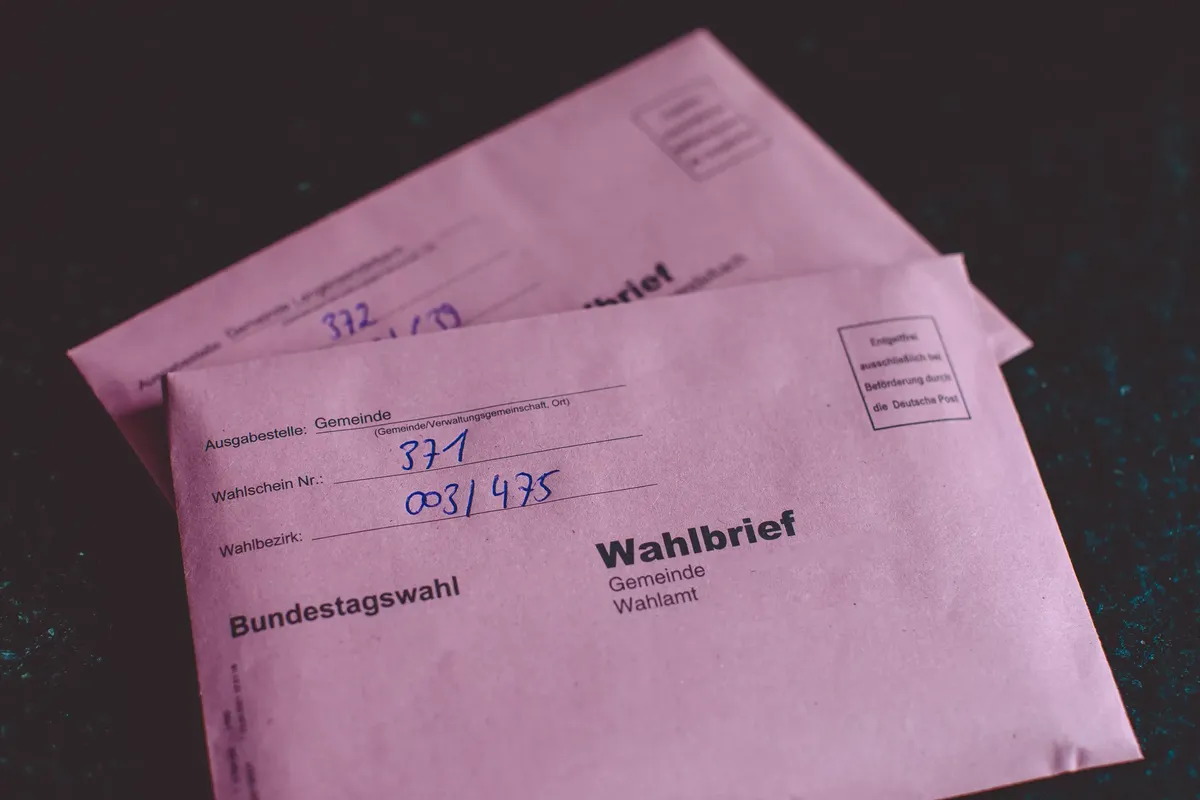
Key takeaways include the intersection of lifestyle changes with policy, the legacy of previous election thresholds, and the role of energy consumption in political discourse.
How will the Germany 2026 election green agenda look?
A voter stands in a quiet Berlin district, looking at a local energy cooperative poster. The questions of how to balance industry with ecology will define the upcoming political cycle.
The Germany 2026 election green agenda will likely build upon existing energy transitions and lifestyle-based environmentalism. While specific platform details remain in flux, the groundwork is set by previous energy shifts and dietary recommendations.
According to World Bank data, Germany recorded a renewable energy share of final consumption of 17.6% in 2021. This baseline provides a foundation for future energy-related political debates. Shifts in energy production will remain a central pillar of the German election climate focus.
What are the German election climate focus trends?
At dusk in a quiet kitchen, he sighs while reading about the latest german election climate focus trends.
A policymaker reviews data on energy consumption and food production in a bright office. The intersection of resource management and public health becomes a primary topic.

The German election climate focus involves navigating the complexities of energy independence and sustainable living. As the nation moves forward, questions regarding resource allocation will drive voter engagement.
The German Nutrition Society published new food-based dietary guidelines that for the first time consider environmental aspects. These guidelines recommend a maximum amount of 300 g of meat per week and only two portions of dairy per day.
These recommendations represent a shift in how ecological concerns are integrated into daily life.
According to World Bank, the 2021 record includes 17.6%.
How will Green issues in German vote shape policy?
A group of students discusses a sustainability report at a university cafe. They consider how individual choices might translate into national legislation.
Green issues in German vote will likely bridge the gap between individual lifestyle changes and large-scale energy policy. The integration of environmental health into dietary guidelines suggests a growing recognition of ecological footprints.
The German Nutrition Society's recommendations serve as a practical example of this shift. By addressing meat and dairy consumption, the guidelines link personal health directly to environmental sustainability. This intersection will remain a key part of the 2026 German environmental talk.
What is the 2026 German environmental talk regarding energy?
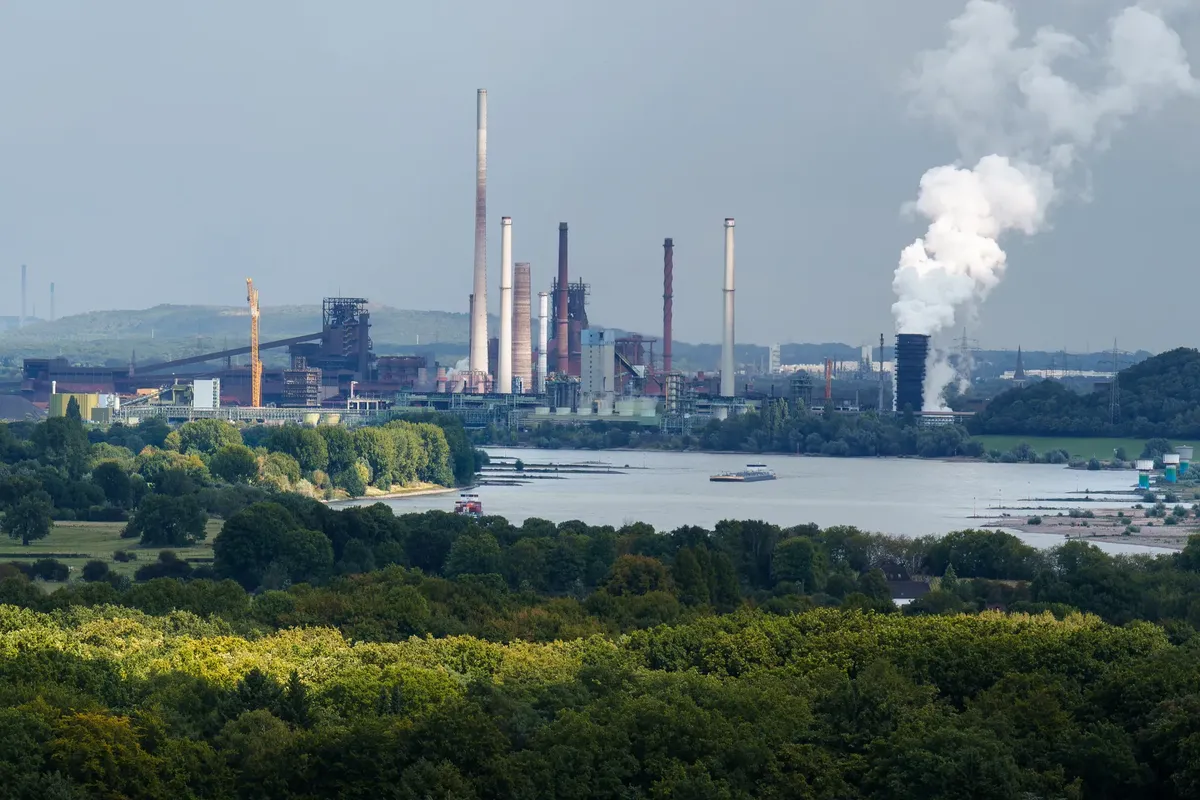
A technician inspects a wind turbine blade under a clear blue sky. The physical reality of the energy transition meets the abstract questions of political will.
The 2026 German environmental talk will center on the feasibility of expanding renewable energy shares. Building on the 17.6% renewable energy share recorded in 2021, parties will debate the speed of the transition.
Political responses to ecology will require balancing these energy targets with economic realities. The questions of how to maintain stability while pursuing aggressive green targets will be central. Future of German green politics will depend on this balance.
How will the political response to ecology impact stability?
A candidate prepares a speech in a quiet room, looking at polling data. The tension between radical change and political continuity is palpable.
The political response to ecology will be measured by how well parties can manage coalitional stability. Previous election cycles showed how shifts in voter preference can lead to significant changes in parliamentary representation.
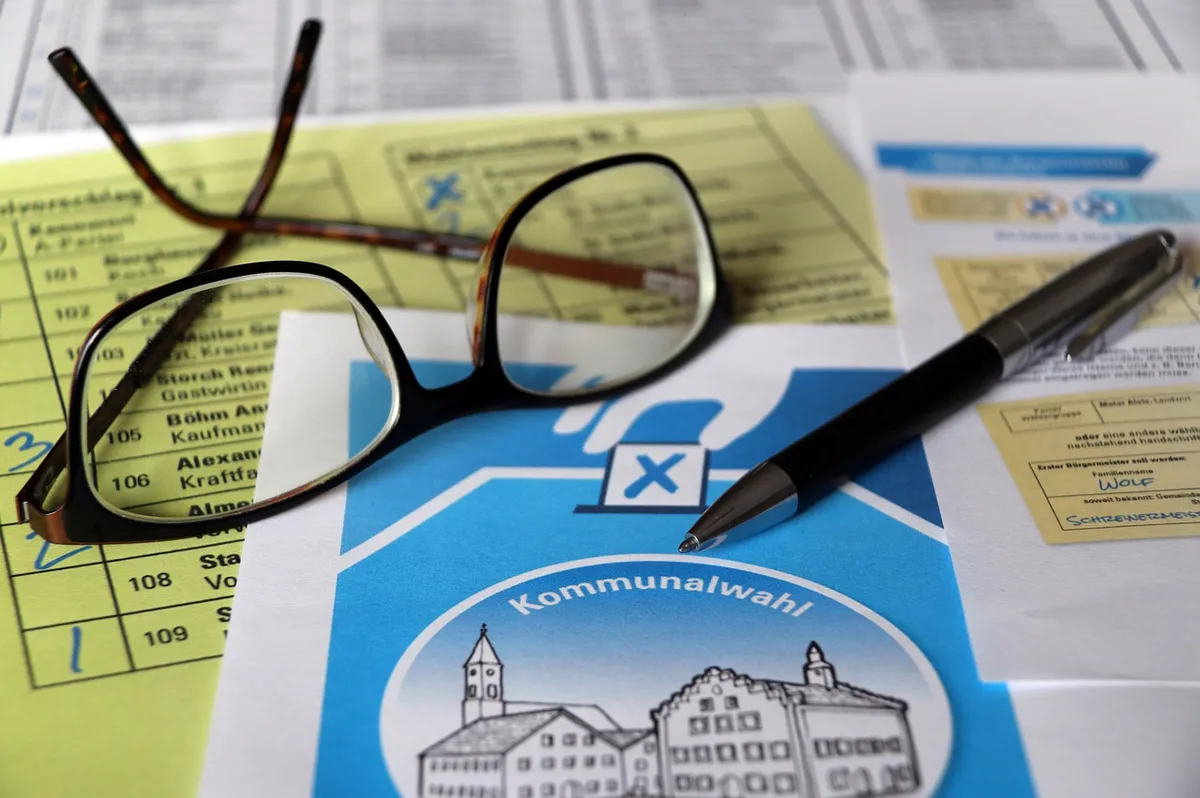
In the 2025 German federal election, both the Free Democratic Party (FDP) and Sahra Wagenknecht Alliance (BSW) narrowly failed to meet the 5% electoral threshold to gain parliamentary representation.
Such thresholds will continue to play a role in how environmentalist or specialized parties enter parliament.
- How will the Germany 2026 election green agenda look?
- What are the German election climate focus trends?
- How will Green issues in German vote shape policy?
The same subject is also called Climate policy in German politics.
This part also covers Social impact of climate change.
Related
- How does recent growth compare to past parliamentary shifts?
- AI-Driven Padding: Moving Beyond Data to Prescriptive Health
How do lifestyle shifts influence political questions?
Lifestyle changes, such as those suggested by the German Nutrition Society, illustrate how personal choices become intertwined with larger political questions. The dietary guidelines, which address meat and dairy intake, show a direct link between individual habits and ecological concerns. This integration suggests that the electorate views environmental stewardship as a personal responsibility, which then informs their voting patterns regarding policy.
These personal shifts provide a tangible example of the broader ecological trends influencing the election. Voters may interpret the push for lower meat consumption as a proxy for supporting broader environmental policies. The questions surrounding resource management are thus brought down to the level of the dinner plate, affecting political discourse.
What conditions affect the political stability of green policies?
The political stability of green policies hinges on the ability of parties to maintain coalitions while pursuing ambitious ecological goals. The failure of certain parties to meet electoral thresholds in the past demonstrates the fragility of smaller, specialized movements in the German political system. Maintaining consensus among diverse parties is a condition for successfully implementing large-scale energy transitions.
The comparison between individual dietary recommendations and national energy targets highlights a difference in scope. While one addresses personal health, the other requires massive infrastructural change. The political challenge lies in reconciling these scales of action within a stable governing structure, addressing the core questions of sustainability and stability.






Comments 0