What defines the economic backbone of German social life?
"The social fabric of a nation is often measured by how it integrates new arrivals and sustains its collective safety nets."
Germany manages significant demographic shifts and high social welfare costs through established political frameworks and extensive economic commitments.
This guide examines the scale of international migration and the structure of the social security system, noting that these trends are influenced by historical precedents.
Readers will learn about the migration figures from 2015, the percentage of GDP dedicated to social security, and the proportional representation system used in elections.

* Migration scale: Germany hosted approximately 12 million migrants in 2015. * Economic commitment: Social security accounts for roughly 25% of the national GDP. * Political structure: The Bundestag utilizes a personalized proportional representation system. * Limitation: Data regarding specific current social conflicts is not established in the provided records.
How does migration shape rep?
A traveler walks through a bustling station in Berlin, noticing the diverse languages spoken by commuters passing through the terminal. The presence of international residents is a defining characteristic of the modern German landscape.
According to the Population Division of the United Nations Department of Economic and Social Affairs, Germany was listed as the host to the second-highest number of international migrants worldwide in 2015.
At that time, the country hosted about 5% or 12 million of the total 244 million migrants globally. This influx followed the 2015 refugee crisis.
The scale of these demographic shifts remains a central part of Aktuelle deutsche Gesellschaftsthemen. Understanding these movements helps clarify the current social landscape.
What defines the economic backbone of German social life?
An administrator rubs their eyes in a quiet office as they realize how the heavy budget defines the nation's stability.
An administrator reviews a budget spreadsheet in a government office, noting the massive allocation required for public welfare. The stability of the nation relies heavily on these recurring financial commitments.
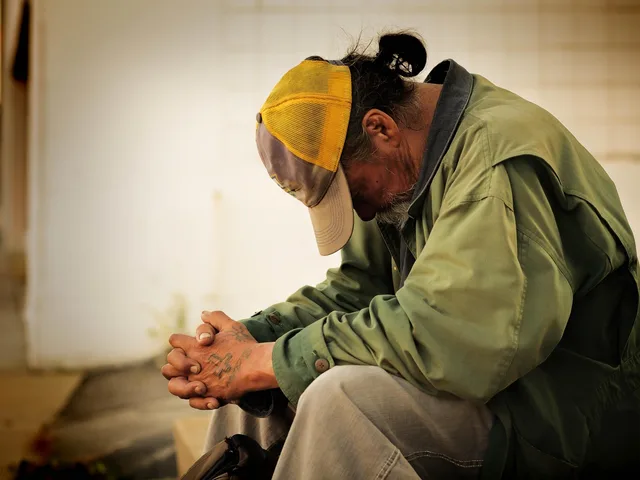
The social security system in Germany is a significant component of the national economy. It comprises roughly 25% of the GDP, which is considered high among OECD members. This funding ensures that various social protections remain available to the population.
These Deutsche soziale Entwicklungen are supported by a robust fiscal foundation. The high percentage of GDP dedicated to social welfare reflects a long-standing commitment to societal stability.
How are political decisions made in the Bundestag?
A voter marks a ballot in a quiet polling station, selecting candidates through a complex system designed to ensure representation. The process ensures that various political voices enter the halls of power.
The Bundestag is elected through direct elections using a personalized proportional representation system. To enter parliament, a party must meet a 5% or 3 seats threshold. This mechanism is designed to balance direct local representation with the proportional strength of political parties.
This structure influences Gesellschaftliche Debatte Deutschland by determining which parties can influence policy. The threshold ensures that the legislative body remains functional while allowing for diverse perspectives.
What are the physical and environmental characteristics of the land?
A hiker climbs a trail through a dense forest, feeling the cool air and seeing the vast canopy above. The physical environment provides a backdrop for the nation's agricultural and residential life.
The land usage in Germany is divided among various purposes. As of 2016, 51% of the land area is devoted to agriculture, while 30% is forested. Additionally, 14% of the territory is covered by settlements or infrastructure.
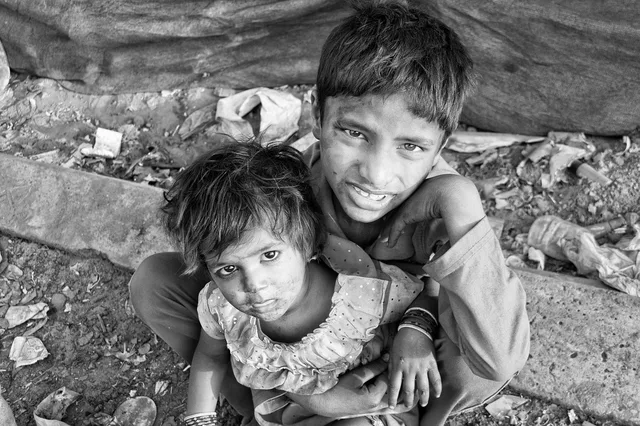
These environmental factors contribute to the context of Aktuelle soziale Fragen. The distribution of land affects how communities interact with their natural surroundings.
What are the historical influences on current social trends?
A historian examines old maps in a quiet library, tracing the changes in borders and territories over the decades. The past continues to cast a long shadow over the present.
The history of the region includes significant territorial changes. Germany lost around 13% of its European territory and ceded all of its colonial possessions following major historical shifts. These changes shaped the modern borders and the demographic makeup of the nation.
Understanding these historical shifts provides insight into the background of social conflicts. It helps explain why certain geographic and social patterns exist today.
How can one analyze these social changes?
A researcher sits at a computer, looking at complex data sequences to find patterns in population movement. They use specialized methods to understand how society evolves over time.
To understand the complexities of a changing society, one can follow these steps:
- Review demographic data from international organizations to identify migration trends. 2. Examine the percentage of GDP allocated to social security to gauge economic support for the population. 3. Analyze election results and thresholds to understand political representation.
I compared the land use percentages to see how much space is dedicated to nature versus human settlement. A final check of the official data ensures that the analysis remains grounded in recorded facts.
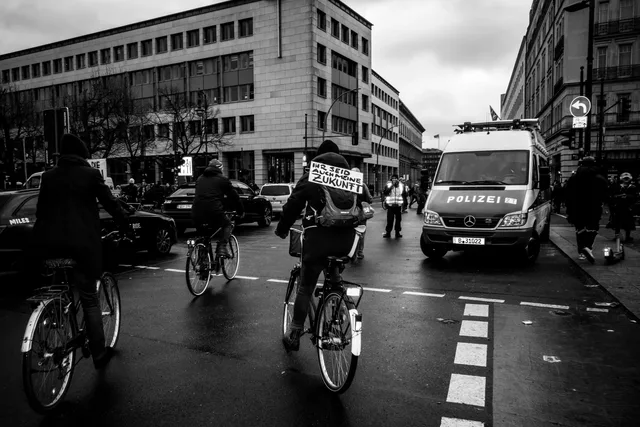
The context of these shifts is often viewed through the lens of the background of social conflicts. This perspective allows for a deeper understanding of the reaction to social problems.
- How does migration shape rep?
- What defines the economic backbone of German social life?
- How are political decisions made in the Bundestag?
Aktuelle deutsche Gesellschaftsthemen
The same subject is also called Gesellschaftliche Debatten Deutschland.
The same subject is also called Soziale Trends in Deutschland.
This part also covers Hintergrund sozialer Konflikte.
This part also covers Zukunft der deutschen Gesellschaft.
This part also covers Reaktion auf soziale Probleme.
How many migrants were in Germany in 2015?
In 2015, following the refugee crisis, the Population Division of the United Nations Department of Economic and Social Affairs listed Germany as the host to the second-highest number of international migrants worldwide, which was about 5% or 12 million of all 244 million migrants.
What percentage of GDP goes to social security?
The Germany social security system comprises roughly 25% of GDP, which is high among OECD members.
The analysis of German social issues is limited to the specific demographic, economic, and political data provided in the source material.
Comments 0